The Superchain Thesis in 2026
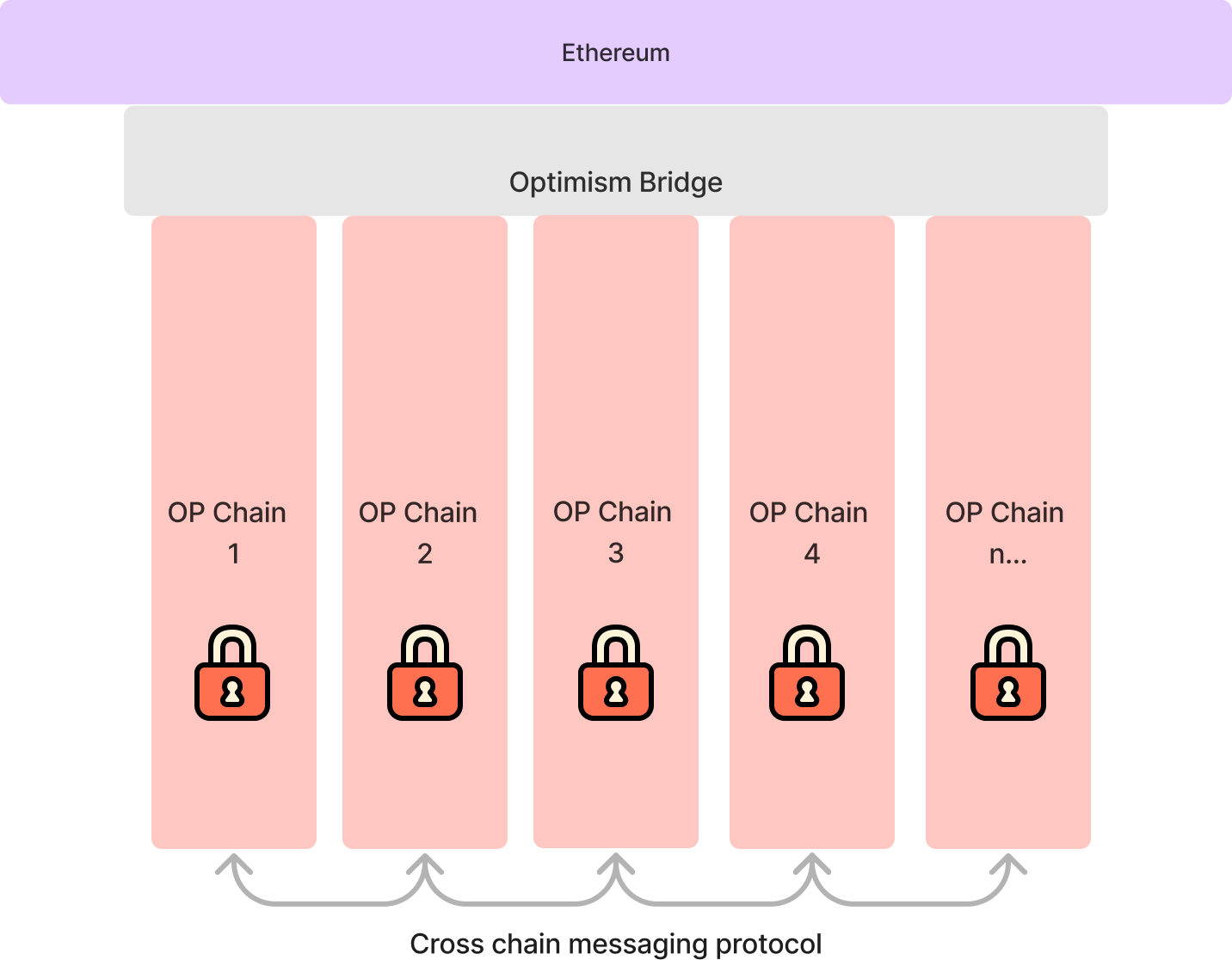
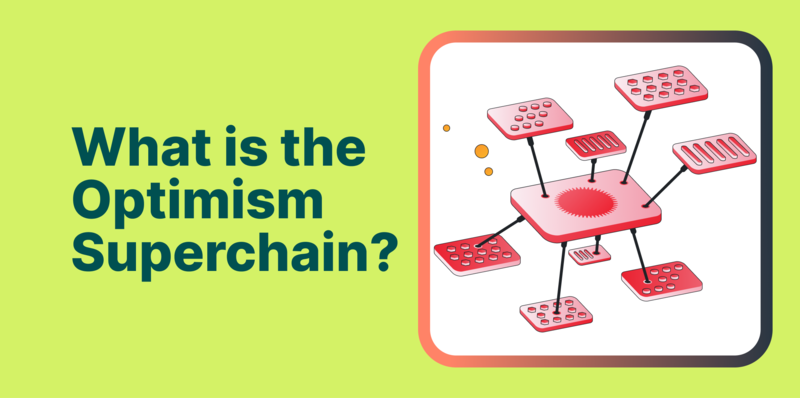
The superchain thesis has moved from speculative narrative to operational reality. In 2026, the dominant scaling model for Ethereum is no longer monolithic L2s competing in isolation. Instead, modular L2s are bundling together under shared sequencer and consensus layers, creating what the community calls a superchain.
This shift prioritizes composability and shared security over standalone chain independence. The most visible example is the Optimism Superchain, which reached 34 OP Chains in H2 2025. During that same period, transactions on the network hit an all-time high of 3.6 billion, a 44% increase from the previous half-year. This growth signals that developers and users are favoring ecosystems where assets and governance can move freely across multiple L2s.
The core tradeoff is flexibility versus control. Standalone L2s like Arbitrum or zkSync offer maximum customization but face higher costs for bridging liquidity and security. Superchain L2s sacrifice some degree of sovereignty for immediate access to a shared liquidity pool and standardized developer tooling. For 2026, the market is clearly rewarding the latter approach for most consumer-facing applications.
| Feature | Superchain L2 | Standalone L2 |
|---|---|---|
| Liquidity | Shared across ecosystem | Siloed within chain |
| Security | Shared sequencer consensus | Independent sequencer |
| Composability | High (native bridging) | Low (requires bridges) |
| Customization | Moderate (shared rules) | High (full control) |
The decision on which architecture to support depends on your use case. If you are building a high-frequency trading platform or a game requiring unique consensus rules, a standalone L2 may still be necessary. However, for DeFi protocols, social apps, and NFT marketplaces, the superchain model offers a significantly lower barrier to entry and a larger potential user base from day one.
Superchain thesis 2026 choices that change the plan
The 2026 modular scaling narrative hinges on a single question: can interoperability outpace fragmentation? The superchain model, pioneered by OP Stack, promises shared security and low-latency communication. Yet, as the ecosystem matures, the tradeoffs between centralized efficiency and decentralized sovereignty become stark. Evaluating these factors is essential for understanding which chains will capture value in the coming cycle.
| Feature | OP Stack | ZK Stack | Independent L2 |
|---|---|---|---|
| Settlement | Shared (OP Mainnet) | Shared (ZKsync Mainnet) | Own Layer 1 |
| Security Model | Collateralized | ZK Proofs | Native Validators |
| Interoperability | Native (Superchain Messaging) | Limited | Bridges Required |
| Upgrade Complexity | Low (Shared Codebase) | Medium | High |
| Exit Flexibility | Medium | Low | High |
The choice often comes down to speed versus sovereignty. OP Stack chains benefit from rapid deployment and shared liquidity, but they inherit the governance risks of the base layer. Independent chains offer full control but face the steep learning curve of maintaining their own security models. For most projects in 2026, the hybrid approach—using superchain infrastructure while maintaining independent tokenomics—offers the best balance.
Market data reflects these structural shifts. As transaction volumes hit new highs, the cost of bridging between incompatible layers remains a friction point. Superchains mitigate this by enabling native message passing, reducing reliance on third-party bridges. This efficiency is why many new launches are opting for modular stacks, even if it means ceding some degree of independence. The tradeoff is clear: convenience for control.
How to Choose the Right Modular L2
Deciding between modular L2s requires matching your specific use case to the right chain architecture. With the Optimism Superchain reaching 34 OP Chains and 3.6 billion transactions in H2 2025, the ecosystem has matured from experimental to essential. This section provides a practical framework to evaluate modular L2s based on cost, security, and interoperability.
Modular L2s excel at high-throughput scenarios. If your application processes more than 10,000 transactions daily, the fee savings from offloading data to L1 can be substantial. For low-volume apps, the complexity of managing separate rollup infrastructure may outweigh the benefits.
Not all L2s offer the same security guarantees. OP Chains benefit from the shared security of the Optimism Collective, while others rely on independent sequencers. For financial applications handling significant value, prioritize chains with established fraud proof systems or active validator sets.
If your project relies on cross-chain messaging, choose a modular L2 with native support for protocols like OP Stack or Arbitrum Nitro. This reduces development time and ensures seamless asset transfers. Chains without standardized interoperability layers often require complex bridging solutions that increase risk.
| Feature | OP Chains | Arbitrum Nitro | Independent L2 |
|---|---|---|---|
| Shared Security | High | Medium | Low |
| Transaction Cost | Low | Low | Medium |
| Interoperability | Native | Native | Limited |
The choice ultimately depends on your tradeoffs. If you value security and ecosystem integration, OP Chains are currently the dominant choice. For maximum customization and independence, independent L2s offer more control but require more development resources. Evaluate your specific needs against these factors to make an informed decision.
Why some modular L2s are weak options
The 2026 superchain narrative is shifting from hype to hard metrics. While the Optimism Superchain reached 34 chains with 3.6 billion transactions in H2 2025, not every modular L2 follows that path. Many projects rely on misleading claims about decentralization or security that don't hold up under audit. Investors and users must separate genuine infrastructure from speculative wrappers.
The Decentralization Gap
Many L2s claim full decentralization while relying on a single sequencer or a small validator set. This creates a single point of failure. If the sequencer goes offline, the chain halts. True decentralization requires a robust, permissionless validator set that can produce blocks independently. Check the validator list on your L2's explorer. If it looks like a corporate org chart, it's not decentralized.
The security choices that change the plan
Modular L2s inherit security from Ethereum's mainnet, but only if they use valid proofs. Some projects cut corners by using weak validity proofs or skipping audits. This exposes users to potential exploits. Always verify the proof system. If the tech stack isn't transparent, the risk is too high.
The Cost Illusion
Low fees are a major selling point, but they often come with hidden costs. High gas fees on mainnet can make bridging expensive. Some L2s offer cheap transactions but charge high withdrawal fees. Compare the total cost of a full cycle: deposit, trade, and withdraw. If the exit cost is prohibitive, the low entry fee is a trap.
Decision Framework
| Feature | Strong L2 | Weak L2 |
|---|---|---|
| Sequencer | Decentralized or multi-node | Single point of failure |
| Proofs | Transparent, audited validity proofs | Opaque or weak proofs |
| Costs | Low total cycle cost | High withdrawal fees |
| Ecosystem | Active, diverse dApps | Niche or stagnant |
Choose L2s with transparent tech stacks and active ecosystems. Avoid projects that hide their centralization or security model behind marketing slogans. The market is rewarding infrastructure, not just hype.
Superchain thesis 2026: what to check next
The modular scaling narrative is shifting from experimental to institutional. As the Optimism Superchain reached 34 OP Chains with transactions hitting 3.6 billion in H2 2025, the question is no longer if modular L2s work, but which architecture fits your specific constraints.
No comments yet. Be the first to share your thoughts!