Superchain thesis 2026 budget
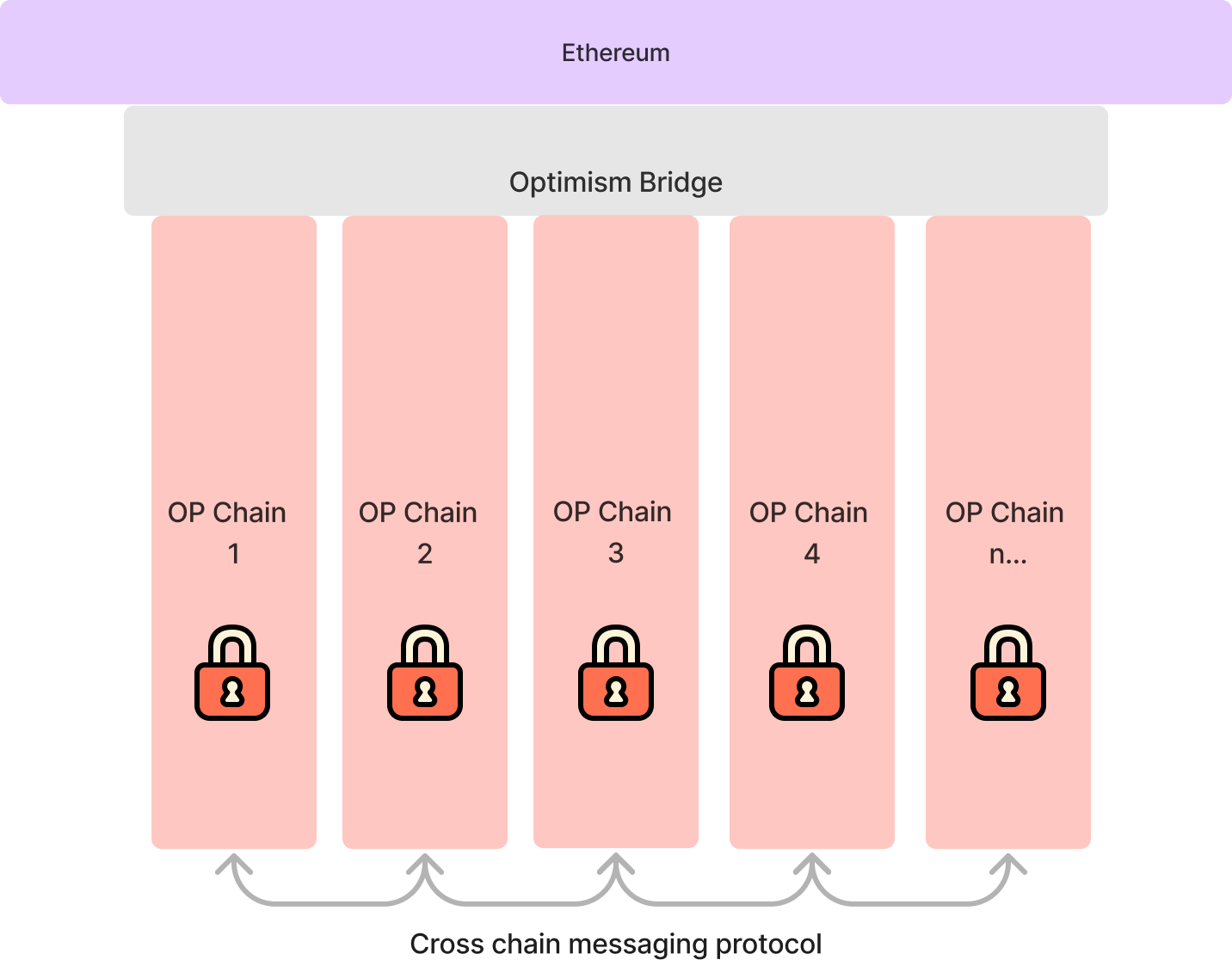
The 2026 Superchain thesis centers on interoperability as the new moat for Layer 2 ecosystems. As Ethereum scaling matures, the value shifts from raw throughput to seamless cross-chain communication. This architectural blueprint, championed by projects like Optimism, aims to create a unified network where assets and data flow without friction.
For investors and builders, this thesis represents a premier infrastructure play designed to weather prolonged macro compression. The focus is on resilience and connectivity, ensuring that individual chains do not operate in silos but as part of a cohesive superchain. This integration reduces fragmentation and enhances the utility of each Layer 2 within the broader ecosystem.
While the technology evolves, the market remains cautious. Traders are looking for concrete signals of adoption rather than abstract promises. The success of the superchain model will depend on its ability to deliver tangible benefits to users, such as lower fees and faster transactions, without compromising security.
Best Superchain Infrastructure Products


As an Amazon Associate, we may earn from qualifying purchases.
These hardware wallets are essential for securing assets in a superchain environment. With multiple chains involved, the risk of exposure increases. A secure, offline storage solution ensures that your investments remain protected regardless of the underlying chain's activity.
Compare the strongest superchain thesis 2026 options
The superchain thesis for 2026 centers on interoperability as the primary moat for Layer 2 ecosystems. Rather than competing on raw transaction speed alone, leading networks are bundling chains to share security and liquidity. This shift changes how developers build and users interact with the infrastructure.
Optimism’s Superchain architecture has emerged as the leading example. By H2 2025, it supported 34 OP Chains, with transaction volumes hitting 3.6 billion, a 44% increase from the first half of the year. This growth highlights the value of standardized rollup technology that allows distinct chains to operate as a single, cohesive network.
Other ecosystems are adopting similar interoperability frameworks, but the implementation details vary. Some prioritize shared sequencer infrastructure, while others focus on cross-chain messaging protocols. Understanding these differences is essential for evaluating which network offers the most robust foundation for 2026.
The table below breaks down the key architectural approaches and their tradeoffs. We compare the most prominent models based on governance, security sharing, and developer experience. This comparison helps clarify which thesis aligns best with specific use cases.
| Option | Governance | Security Model | Dev Experience | Main Drawback |
|---|---|---|---|---|
| Optimism Superchain | OP Stack Standard | Shared Sequencing | High (EVM Compatible) | Centralized Sequencer Risk |
| Arbitrum Stylus | DAO Controlled | Fraud Proofs | Medium (Rust/C++) | Complex Tooling |
| Polygon CDK | Enterprise Partners | Plasma/Validium | High (Customizable) | Fragmented Liquidity |
| StarkNet Interop | Protocol Treasury | ZK Proofs | Low (Cairo Language) | Steep Learning Curve |
Optimism’s approach leverages the OP Stack, allowing teams to launch chains with minimal friction. The shared sequencing layer reduces costs and improves user experience by enabling seamless transfers. However, reliance on a centralized sequencer introduces potential bottlenecks during high congestion.
Arbitrum’s Stylus offers a different path by supporting Rust and C++ smart contracts. This flexibility attracts developers who need performance beyond EVM capabilities. The fraud proof mechanism ensures security without the latency of ZK proofs, though the tooling remains less mature than Optimism’s.
Polygon’s Chain Development Kit (CDK) targets enterprise adoption by allowing highly customized chains. While this offers maximum flexibility, it can lead to liquidity fragmentation across the ecosystem. Developers must manage their own security assumptions, which increases complexity.
StarkNet focuses on zero-knowledge proofs for maximum scalability and privacy. The Cairo language provides unique capabilities but presents a significant barrier to entry. Its interop roadmap is ambitious, but the developer community remains niche compared to EVM-based chains.
Inspect the Expensive Failure Points
Interoperability sounds efficient until a bridge fails or a message gets stuck. When building or investing in Layer 2 ecosystems, you need to check the structural integrity of the connections. A single weak link can drain liquidity or halt cross-chain activity entirely. This checklist targets the high-cost failure modes that separate robust superchains from fragile experiments.
1. Verify the Message Passing Layer
The core of any superchain is how it moves data between chains. Check if the system uses a trusted sequencer relay or a decentralized verifier network. Trusted relays are faster but introduce centralization risks; if the operator goes offline, cross-chain transactions freeze. Decentralized verification is slower but more resilient. Look for systems that offer fault proofs or challenge periods, allowing users to dispute incorrect state transitions before they finalize.
2. Audit the Bridge Contract Security
Bridges are the most common attack vector in crypto. Inspect the contract’s history for audits by reputable firms like OpenZeppelin or Trail of Bits. More importantly, check the upgradeability mechanism. Can the bridge admins pause withdrawals? Is there a timelock on critical changes? A bridge that can be upgraded without user consent is a liability, not a feature. Look for multi-signature wallets with diverse signers rather than a single key holder.
3. Test Liquidity Fragmentation
Interoperability fails if users can’t actually move assets. Check the liquidity depth on major cross-chain DEXs like Across or Stargate. Thin liquidity means high slippage for large transfers, which discourages usage. Ensure there are sufficient reserves on both the source and destination chains. If liquidity is fragmented across dozens of pools with minimal depth, the "superchain" is just a collection of isolated silos.
4. Check Finality Times
Speed is useless if the transaction isn’t final. Compare the block time and finality guarantees of the source and destination chains. If Chain A finalizes in 12 seconds but Chain B takes 12 minutes, the user experience is disjointed and risky. Look for chains that align on finality standards or use optimistic rollups with short dispute windows. Long finality times increase the window for reorgs and bridge exploits.
5. Review Governance and Upgrade Paths
How are protocol changes decided? Check the governance token distribution and voting thresholds. If a small group of insiders controls the upgrade path, they can change bridge parameters or seize funds. Look for transparent, on-chain governance with clear proposal timelines. A robust superchain thesis requires that no single entity can unilaterally break the interoperability guarantees.


As an Amazon Associate, we may earn from qualifying purchases.
Plan for ownership costs
A low upfront price rarely tells the whole story. When you buy a Layer 2 node or a specialized hardware wallet, you are taking on operational duties that can quietly eat into your budget. The initial purchase is just the entry fee; the real cost comes from keeping the system running, secure, and compatible with future updates.
Consider the difference between a simple software key and a dedicated hardware device. A software solution might cost nothing extra, but it requires constant attention to security patches and backups. A hardware device, like the Trezor Model T or the Ledger Stax, offers physical isolation but demands you manage firmware updates and recovery phrases manually. If you miss an update, your device could become incompatible with the latest Superchain standards, effectively turning a $150 investment into a paperweight.
Maintenance surprises often appear in the form of replacement parts or cloud services. A node operator might need to upgrade RAM or SSD storage as the chain grows. A hardware user might need a new USB-C cable or a replacement screen protector. These are small, frequent costs that add up. Before committing to a specific tool, calculate the total cost of ownership over three years, including time spent on maintenance and potential replacement hardware. This ensures you are buying a long-term solution, not just a cheap gadget that will need replacing soon.
Superchain thesis 2026: what to check next
As the 2026 Superchain thesis moves from concept to infrastructure reality, developers and investors face practical questions about execution, governance, and ecosystem viability.
These questions highlight the shift from speculative hype to measurable infrastructure. The focus is no longer on whether the Superchain can work, but how quickly it can scale to meet 2026 demand.
No comments yet. Be the first to share your thoughts!