The superchain thesis in 2026
The superchain thesis has moved from academic speculation to a dominant scaling architecture. By 2026, the model relies on shared security and standardized rollup stacks to solve Ethereum’s fragmentation problem. Instead of isolated chains competing for liquidity, the superchain unifies them under a single security umbrella, primarily driven by Optimism’s OP Stack.
This shift is measurable. According to recent data cited by Optimism co-founder Stacy Muur, the ecosystem has grown to include 25 distinct projects, capturing approximately 22% of the total scaling market share. This concentration of activity validates the thesis: developers and users are flocking to environments where interoperability is built-in rather than bolted on.
The core mechanism is modular infrastructure. By separating execution, settlement, and data availability, superchains allow new Layer 2s to launch quickly without compromising on security. This modularity reduces the friction of cross-chain communication, making unified liquidity a reality rather than a promise. For investors and builders, the key takeaway is that the value accrues to the infrastructure that enables this seamless connectivity, not just individual chain applications.
Superchain thesis 2026 choices that change the plan
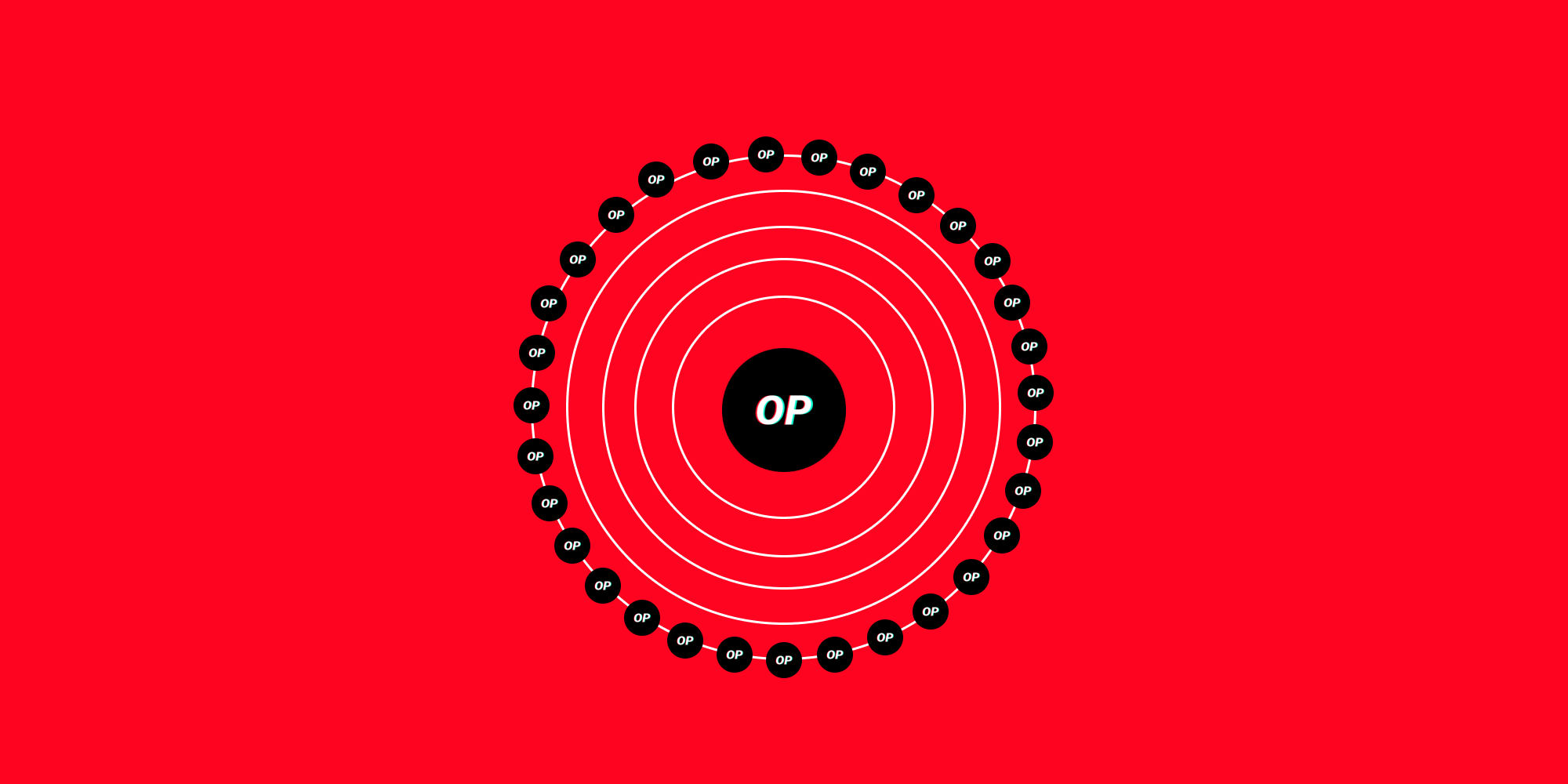
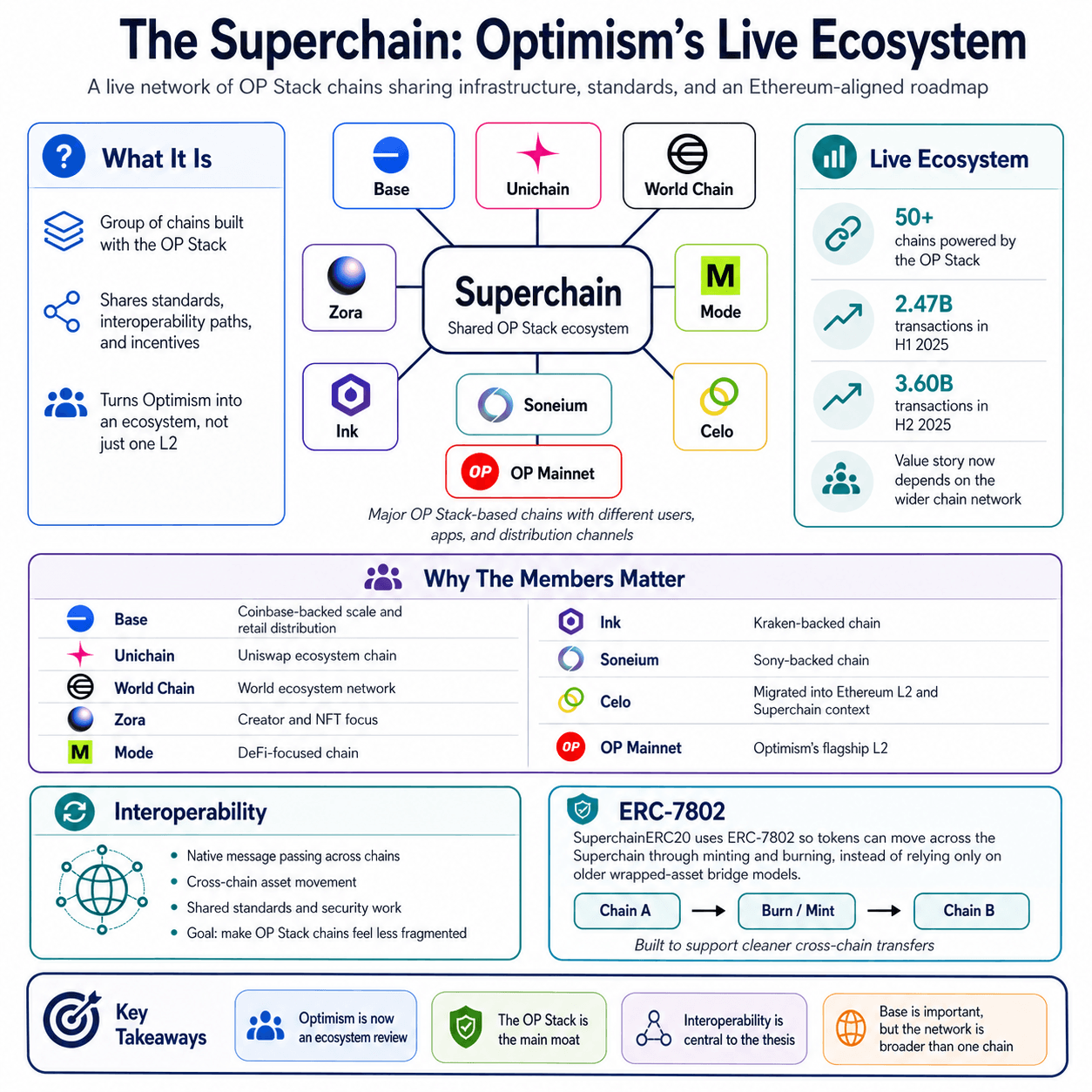
The move toward unified liquidity and modular infrastructure is no longer theoretical. With the Optimism Superchain reaching 34 OP Chains and 3.6 billion transactions in H2 2025, the ecosystem has proven its capacity for scale. However, this growth introduces complex tradeoffs that builders and investors must evaluate carefully. The central tension lies between the efficiency of shared security and the autonomy required for specialized chains.
Shared Security vs. Chain Autonomy
Superchains offer a compelling model where multiple rollups share a single sequencer and settlement layer. This reduces operational overhead and fosters composability. Yet, this centralization of sequencing can become a single point of failure. If the sequencer goes down, all dependent chains halt simultaneously. Independent chains retain the freedom to customize their upgrade cycles and economic models, but they bear the full cost of security and maintenance.
Liquidity Fragmentation vs. Unified Depth
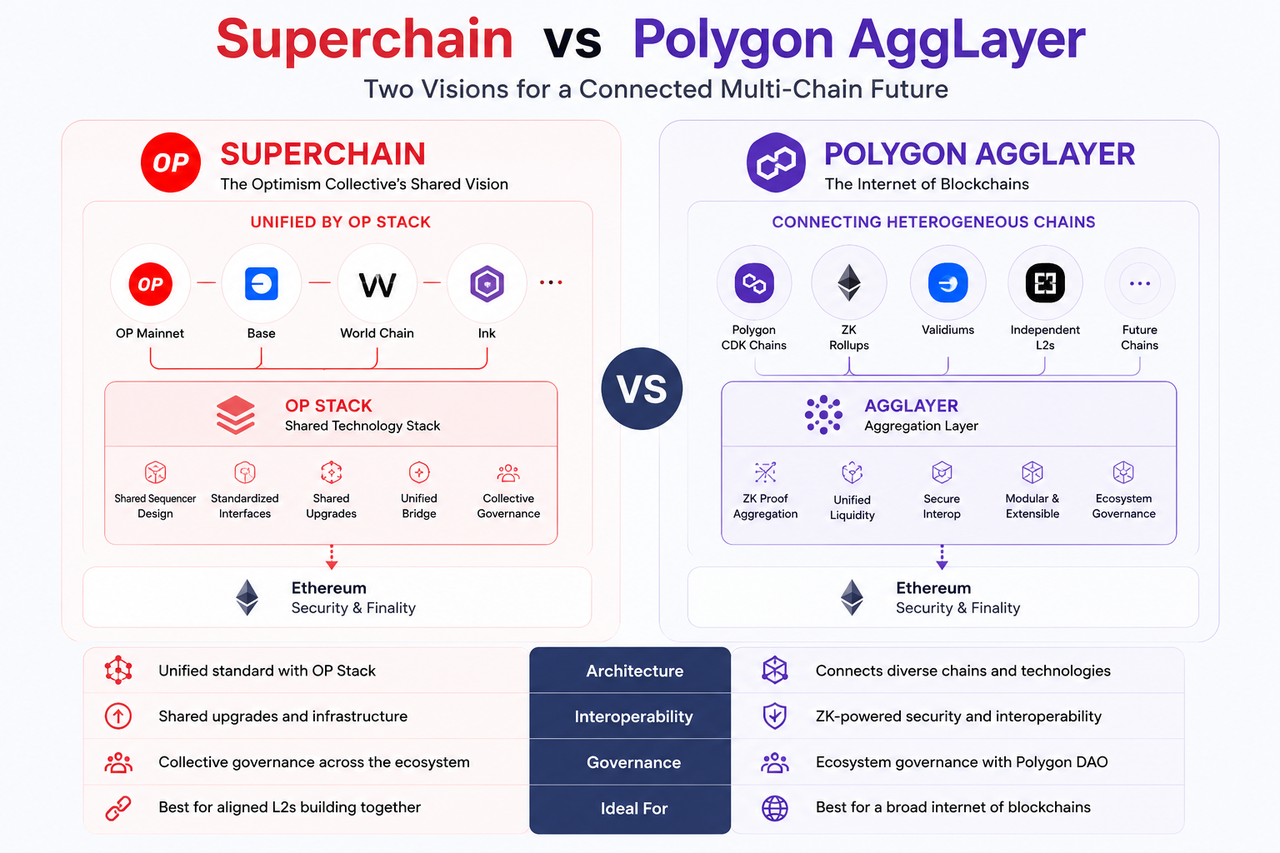
A key promise of the superchain thesis is unified liquidity. When chains share a common bridge and settlement layer, assets move seamlessly, creating deeper pools for trading and lending. This contrasts sharply with the current fragmented landscape, where liquidity is siloed across dozens of isolated networks. The tradeoff is that unified liquidity requires strict standardization. Chains must agree on blockspace pricing and finality times, which can stifle innovation for projects needing unique economic parameters.
Cost Efficiency vs. Customization Limits
Modular infrastructure allows developers to focus on application logic while offloading consensus to the base layer. This significantly lowers the barrier to entry for new projects. However, this efficiency comes at the cost of flexibility. Superchains often enforce strict standards on data availability and fraud proofs. Projects with niche requirements, such as high-throughput gaming or privacy-focused finance, may find these standards restrictive, forcing them to build outside the superchain ecosystem despite the higher costs.
| Factor | Superchain Approach | Independent Chain | Key Tradeoff |
|---|---|---|---|
| Security | Shared base layer | Self-sovereign | Efficiency vs. Control |
| Liquidity | Unified across chains | Siloed per chain | Depth vs. Fragmentation |
| Customization | Standardized parameters | Full flexibility | Speed vs. Innovation |
| Cost | Low operational overhead | High infrastructure cost | Accessibility vs. Autonomy |
Choose the next step
Superchain Thesis works best as a clear sequence: define the constraint, compare the realistic options, test the tradeoff, and choose the path with the fewest hidden costs. That order keeps the advice usable instead of decorative. After each step, pause long enough to check whether the recommendation still fits the reader's actual situation. If it depends on perfect timing, unusual access, or a best-case budget, include a simpler fallback.
Spotting Weak Superchain Plays
The superchain thesis promises unified liquidity and modular infrastructure, but not every project leveraging this architecture delivers on that promise. As the ecosystem expands with dozens of new rollups, distinguishing between genuine utility and speculative hype becomes critical for investors and developers alike. Many initiatives claim "superchain-native" status simply by deploying on an Optimistic Virtual Machine (OVM) or ZK-EVM, yet lack the cross-chain composability that defines the model.
A common mistake is assuming that shared security automatically equals shared value. While Layer 2s benefit from Ethereum's base layer security, their tokens and governance often remain isolated. Investors frequently overlook this disconnect, buying into narratives of seamless interoperability that don't yet exist in practice. True superchain projects must demonstrate actual cross-chain liquidity flows, not just technical compatibility.
Another weak option is the proliferation of redundant chains with no unique value proposition. If a new L2 offers the same user experience and tokenomics as an existing one without superior speed or cost advantages, it merely fragments liquidity rather than enhancing it. Look for projects that solve specific scalability bottlenecks or offer unique developer tools, rather than those relying solely on brand association with established networks like Optimism or Arbitrum.
Superchain thesis 2026: what to check next
The Superchain thesis has moved from concept to infrastructure. With 34 OP Chains processing 3.6 billion transactions in H2 2025, the focus is now on practical adoption and liquidity fragmentation. Here are the most common practical questions about the 2026 landscape.
These questions highlight the shift from theoretical discussions to tangible infrastructure. The Superchain is not just a technical upgrade; it is a structural change in how Ethereum scales.
No comments yet. Be the first to share your thoughts!