Superchain thesis 2026 budget
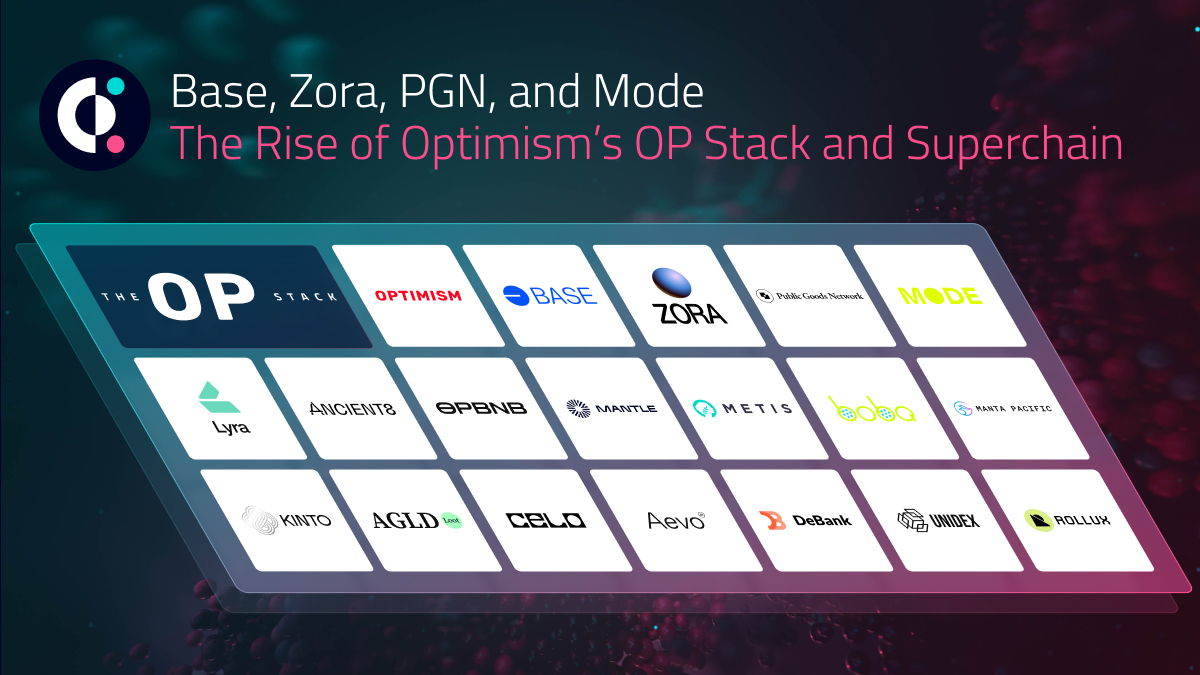
The superchain model shifts the focus from raw speed to shared infrastructure efficiency. Optimism, Base, and Arbitrum are no longer just competing chains; they are competing ecosystems within a broader modular framework. For a 2026 budget, this means your capital allocation should prioritize governance tokens and infrastructure plays that benefit from cross-chain liquidity rather than isolated layer-2 usage spikes.
Think of the superchain like a highway system. Optimism provides the asphalt and toll booths (OP Stack), Base offers the high-traffic commuter lanes, and Arbitrum brings its own specialized freight routes. Investing in the thesis means betting on the entire network’s growth, not just one lane’s traffic. This reduces the risk of picking a single chain that might lose market share to a new competitor.
When building your portfolio, look for assets that bridge these ecosystems. Governance tokens like OP often serve as the core architectural blueprint, offering exposure to the entire superchain’s evolution. Meanwhile, infrastructure projects that facilitate seamless communication between these layers can capture value regardless of which specific L2 dominates in any given quarter. This approach balances risk while maintaining exposure to the modular scaling trend.
Compare the strongest superchain thesis 2026 options
The modular layer-2 landscape in 2026 is defined by how different networks handle sequencing, settlement, and governance. Rather than a single winner, the market is splitting between the Optimism Collective’s grant-driven ecosystem, Coinbase’s Base network focused on user acquisition, and Arbitrum’s dominance in total value locked and developer activity.
Choosing the right superchain exposure depends on what metric matters most to your strategy. Are you looking for governance influence, retail adoption, or pure DeFi utility? The table below breaks down the core architectural and economic differences between these three primary options.
| Feature | Optimism (OP) | Base | Arbitrum (ARB) |
|---|---|---|---|
| Governance Model | On-chain grants & Charter | Centralized foundation | DAO & Treasury |
| Key Metric (H2 2025) | 3.6B transactions | High retail onboarding | Highest TVL |
| Sequencing | OP Stack shared | OP Stack shared | Proposer-Extractor-Builder |
| Primary Focus | Public goods funding | Mass market adoption | DeFi & institutional |
Optimism’s superchain thesis relies on the OP Stack and a unique economic model where transaction fees help fund public goods. This approach has resulted in 34 distinct OP chains by late 2025, creating a fragmented but interconnected ecosystem. The trade-off is complexity; users often face fragmented liquidity across these various chains.
Base takes a different route, leveraging Coinbase’s massive existing user base to drive adoption. While it lacks the decentralized governance experiments of Optimism, its centralized management allows for rapid iteration and strict compliance, making it the preferred choice for mainstream retail onboarding. Arbitrum, meanwhile, remains the heavyweight for institutional and DeFi users, offering the deepest liquidity pools and most mature developer tools.
Inspect the expensive parts
Before committing capital or infrastructure to the modular L2 ecosystem, you need to audit the failure points that drain value. The Superchain thesis relies on shared security and interoperability, but these features introduce specific risks if the underlying components aren't vetted. Think of this inspection like checking a car's transmission before a long haul; you aren't looking for shiny paint, you're looking for wear that will break down on the highway.
1. Verify the Sequencer Decentralization Path
The central sequencer is the single point of failure in most L2 designs. If the sequencer goes offline or censors transactions, the chain halts. Inspect whether the project has a clear, time-bound roadmap for decentralizing the sequencer role. Projects like Optimism and Base are moving toward this model, but you must verify if the timeline is enforced by code or just announced in a blog post. A lack of concrete decentralization metrics means you are trusting a single entity with your data integrity.
2. Audit the Fault Proof Latency
Fault proofs are the mechanism that allows users to dispute invalid state roots. The "expensive" part here is the time it takes to resolve a dispute. If the fault proof window is too long, your capital is locked up for weeks, effectively freezing your liquidity. Check the specific latency parameters for the L2 you are using. Arbitrum and Optimism have different finality times; choose the one that matches your risk tolerance for capital lock-up.
3. Check the Interoperability Standard
The Superchain blueprint promises seamless communication between L2s. However, cross-chain messaging is a common vector for exploits. Inspect which standard the L2 uses for messaging (e.g., OP Stack's standard messaging). If the L2 is using a custom, non-standard messaging bridge, the security guarantees are weaker. Stick to L2s that adhere to the open-source standards defined by the core protocol, as these have been more extensively audited by the community.
4. Review the Fee Market Model
Modular L2s often shift costs to the user during network congestion. Inspect the fee market model: is it a fixed gas limit or a dynamic auction? Dynamic auctions can lead to unpredictable fees during high demand. Look for L2s that have implemented fee stabilization mechanisms or caps. This is particularly important for users who rely on predictable transaction costs for DeFi strategies or NFT minting.
5. Assess the Validator Set Diversity
A healthy L2 relies on a diverse set of validators to ensure network resilience. Inspect the distribution of validator stakes. If a few large entities control most of the validation power, the network is vulnerable to collusion. Look for L2s that actively incentivize smaller validators through staking rewards or governance incentives. A diverse validator set is a stronger indicator of long-term network health than total TVL.


As an Amazon Associate, we may earn from qualifying purchases.
The Hidden Cost of Ownership
Buying a wallet or hardware device is the easy part. The real expense comes from the years of maintenance, security updates, and the mental load of keeping your keys safe. A cheap buy stops being cheap when you factor in the time spent managing seeds, replacing lost devices, or recovering from phishing attacks.
Think of ownership like buying a car. The sticker price is just the start. You also need insurance, regular maintenance, and the knowledge to drive it without crashing. In crypto, "maintenance" means staying updated on protocol changes, rotating keys, and verifying contract addresses. If you ignore these tasks, the cost of a single mistake can wipe out years of savings.
What to Watch For
- Hardware Degradation: Flash memory in hardware wallets has a limited lifespan. A $50 device might fail in three years, while a $200 one lasts longer. Plan for replacement costs every 3-5 years.
- Security Tools: Don't skimp on auxiliary gear. A separate, air-gapped computer for signing transactions or a high-quality USB-C cable can prevent costly errors. These small investments pay off by reducing the risk of total loss.
- Recovery Complexity: Some wallets make it hard to recover funds if you lose your seed phrase. Choose systems with clear, documented recovery paths. Avoid proprietary solutions that lock you into a single app or company.
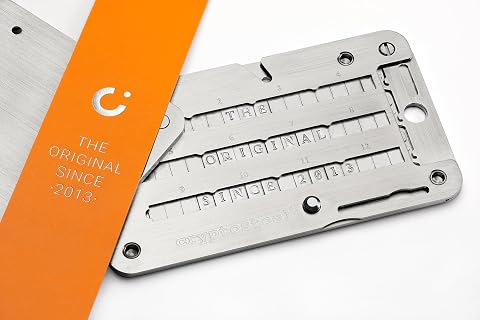
Recommended Gear for Safe Ownership
Getting the right tools upfront reduces long-term costs. Here are some reliable options for managing your crypto assets securely.


As an Amazon Associate, we may earn from qualifying purchases.
The Time Tax
Beyond money, there is a "time tax" for owning crypto. You must stay informed about network upgrades, token standards, and security best practices. This isn't passive income. It requires active management. If you don't have the time to learn, consider simpler, self-custody solutions or reputable custodial services with strong insurance policies. The cheapest option is often the most expensive if it costs you your assets.
Superchain thesis 2026: what to check next
The modular L2 landscape is shifting from experimental testnets to production-scale infrastructure. Before committing capital or building on Optimism, Base, or Arbitrum, it helps to understand the practical mechanics of the superchain model.
How does the superchain reduce costs for users?
By sharing a single set of security guarantees and standardized OP Stack code across multiple chains, developers avoid redundant setup. This shared infrastructure lowers gas fees for end users and simplifies cross-chain messaging, making the ecosystem feel like one unified network rather than fragmented silos.
Is the OP governance model safe from centralization?
The Optimism Collective uses a quadratic voting system to distribute power among citizens, not just token holders. While this aims for broader decentralization, critics argue that early contributors still hold disproportionate influence. Users should monitor the governance proposals on superchain.eco to see how real-world decisions are being made.
Can I bridge assets between Base, Optimism, and Arbitrum easily?
Yes, the superchain standardizes bridge protocols, allowing for near-instant asset transfers between compatible L2s. However, Arbitrum currently operates on a different stack. While cross-chain messaging tools exist, they are not yet seamless. Always verify the bridge contract address before moving significant funds to avoid phishing risks.
What happens if a specific OP Chain fails?
Because these chains share the same underlying security layer, a failure in one chain’s logic does not compromise the others. The shared sequencer and validator network ensures that if one chain halts, the broader superchain remains operational. This isolation is a key benefit of the modular architecture over monolithic L1s.
No comments yet. Be the first to share your thoughts!