Superchain thesis 2026 budget
The Superchain Thesis works best when the purchase path is explicit. Verify the source, compare the offer against real alternatives, check the total cost, and confirm what happens after payment before you decide. After each comparison, write down the one risk that would change your mind. If the seller, condition, support, warranty, shipping, or upkeep still feels uncertain, resolve that question before moving to checkout.
The simplest way to use this section is to verify the seller, compare the total cost, and resolve the biggest risk before you commit.
Shortlist real options
Use this section to make the The Superchain Thesis decision easier to compare in real life, not just on paper. Start with the reader's actual constraint, then separate must-have requirements from details that are merely nice to have. A practical choice should survive normal use, maintenance, timing, and budget. If a recommendation only works in an ideal situation, call that out plainly and give the reader a fallback path.
| Factor | What to check | Why it matters |
|---|---|---|
| Fit | Match the option to the primary use case. | A good deal still fails if it does not fit the job. |
| Condition | Verify age, wear, and service history. | Hidden condition issues erase upfront savings. |
| Cost | Compare purchase price with likely upkeep. | The cheapest option is not always the lowest-cost option. |
Inspect the expensive parts
Modular scaling and L2 interoperability offer theoretical efficiency, but the implementation carries real risk. When you deploy contracts across a superchain, you are trusting a complex chain of bridges, sequencers, and data availability layers. A single misconfigured gas limit or a brittle cross-chain message can drain funds or freeze liquidity.
Before committing capital or deploying production code, run this inspection checklist. It focuses on the failure points that cost the most to fix after launch.
Cross-chain messaging is the most common attack vector. Verify that your contract validates the origin and destination correctly. Ensure that reentrancy guards are applied to all incoming messages. Test edge cases where the source chain reverts or delays a message. If the message logic is complex, consider using a verified middleware like Hyperlane or OpenGov rather than custom implementations.
Your L2’s security depends on its data availability (DA) layer. If the DA provider fails or censors transactions, your chain halts. Check that your contract can handle DA outages gracefully. Ensure that fallback mechanisms are in place, such as posting to Ethereum L1 directly if the primary DA layer becomes unavailable. Monitor the health of the DA provider’s node operators.
Most L2s rely on a single sequencer. If that sequencer goes offline or acts maliciously, users cannot transact. Verify that your contract does not rely on the sequencer for critical state updates that cannot be proven otherwise. Implement optimistic dispute resolution or ZK proofs to allow users to bypass the sequencer if necessary. Test the contract’s behavior during sequencer downtime.
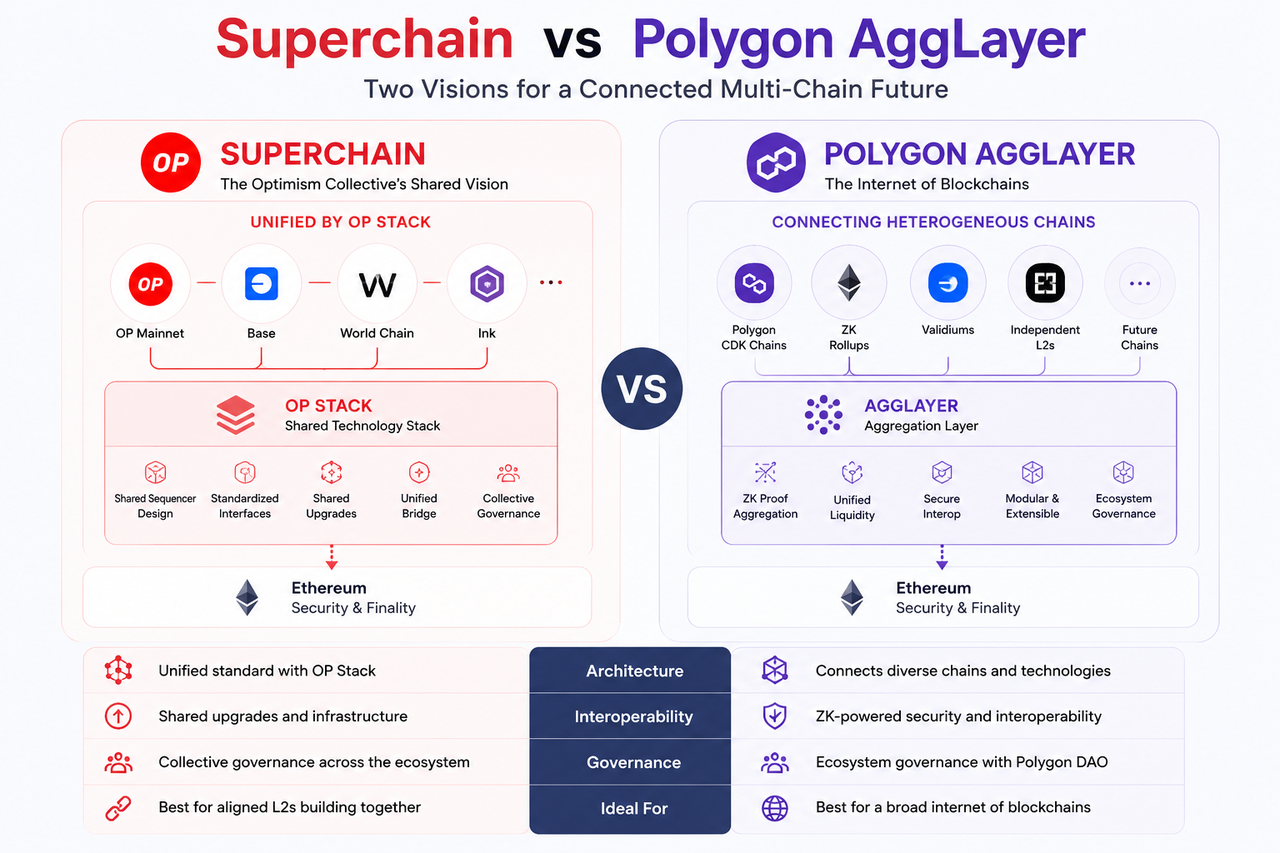
Gas limits on L2s are often lower than on Ethereum L1. Ensure your contract’s most complex function fits within the block gas limit. Test with high-load scenarios to prevent transaction failures during peak usage. If your contract requires frequent state changes, consider batching operations to reduce gas consumption. Monitor gas prices on the L2 to ensure they remain stable under load.
Modular architectures often rely on upgradeable contracts. Ensure that your proxy implementation follows best practices to prevent storage collision or upgrade failures. Verify that the upgrade authority is decentralized or timelocked. Test the upgrade process in a testnet environment that mirrors mainnet conditions. Ensure that all state variables are correctly migrated during upgrades.


As an Amazon Associate, we may earn from qualifying purchases.
The Hidden Costs of Running a Chain
Buying a node is just the entry fee. The real expense comes from the daily maintenance required to keep your node in sync with the chain. For a lightweight L2 node, this might mean managing storage growth and ensuring your software stays updated. For a full validator, the costs scale with transaction volume and the complexity of the consensus layer.
Many operators underestimate the "maintenance surprise." A missed block proposal or a software bug can lead to slashing penalties or missed rewards. These costs are rarely linear; they spike during network upgrades or high-traffic periods. What looks like a cheap buy on day one can become a significant drain on resources if you lack the operational expertise to handle these fluctuations.
When a cheap buy stops being cheap, it is usually because the operational overhead outweighs the yield. You must factor in the cost of skilled labor, infrastructure redundancy, and the opportunity cost of capital tied up in hardware that may become obsolete. The total cost of ownership is a function of reliability, not just purchase price.


As an Amazon Associate, we may earn from qualifying purchases.
No comments yet. Be the first to share your thoughts!