The superchain thesis in 2026
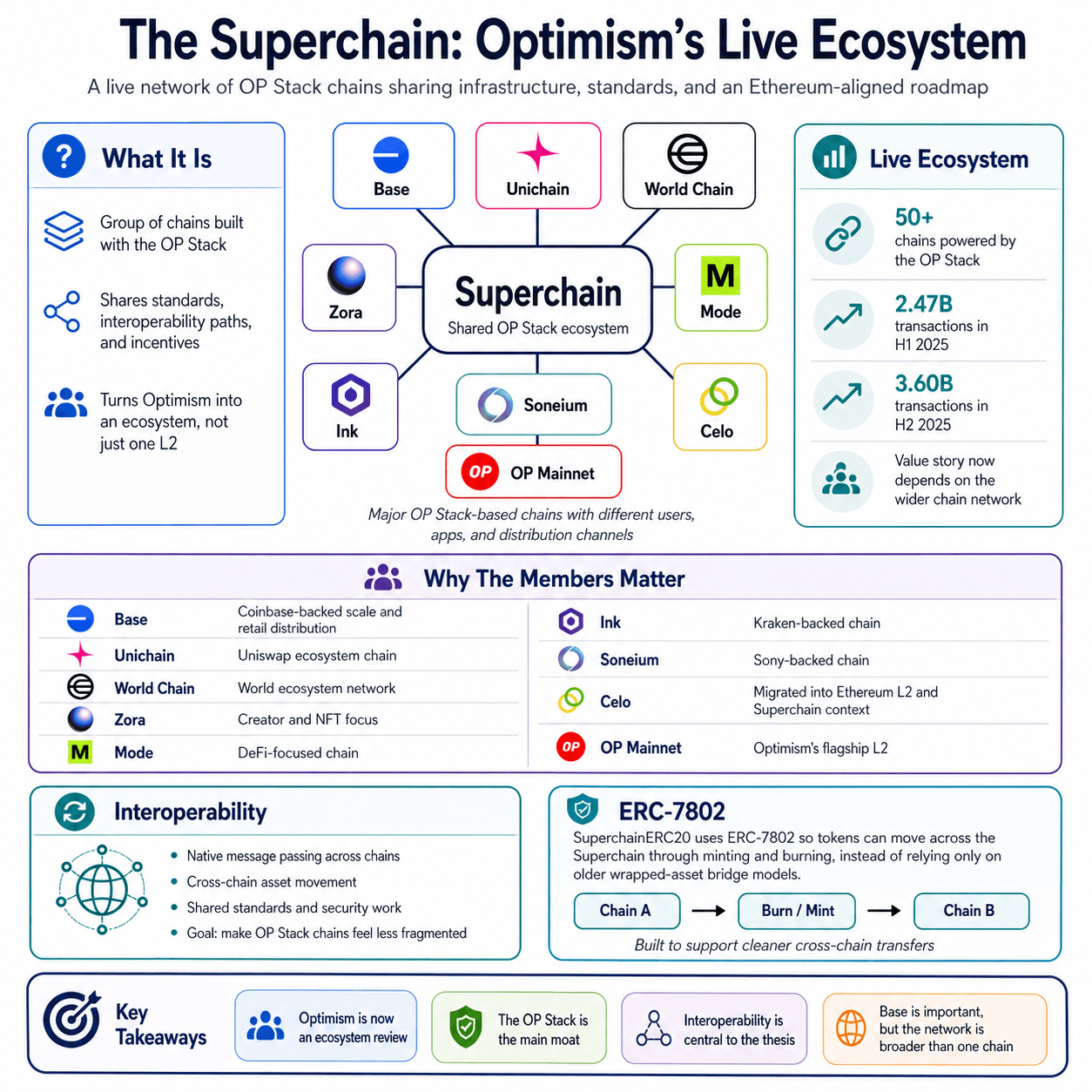
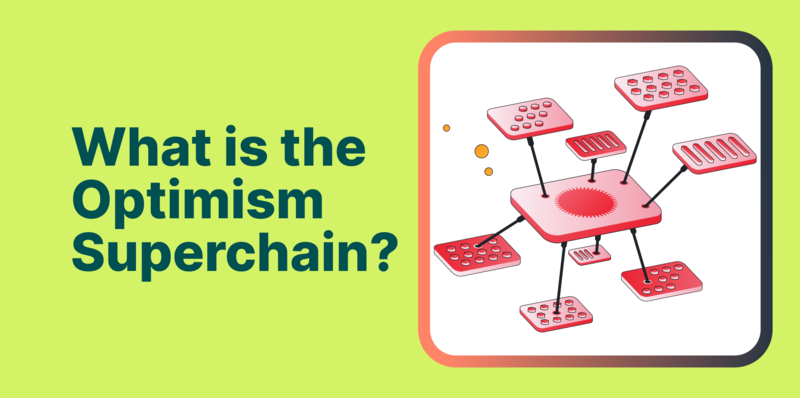
The superchain thesis has moved from whitepaper theory to infrastructure reality. As of April 2026, the network has expanded from a single chain, OP Mainnet, to a dozen production chains including Base, World Chain, and Zora. This expansion marks a shift from isolated experimentation to a coordinated ecosystem. The narrative now centers on whether this architectural blueprint can deliver on its promise of unified liquidity and seamless interoperability.
At its core, the superchain model uses the OP Stack to standardize how these chains operate. Instead of each chain building its own security and messaging layers from scratch, they share a common technical foundation. This reduces fragmentation. Users can move assets across chains without bridging through risky, third-party connectors. The goal is a unified experience where liquidity flows freely, rather than being trapped in silos.
However, the thesis faces a critical test in 2026. While the technical infrastructure is in place, the economic incentives must align. Governance and fee structures need to ensure that the core OP token captures value from the growing ecosystem. If the benefits of interoperability accrue only to individual chains, the superchain thesis remains incomplete. The coming year will determine whether this model can sustain growth or if fragmentation returns under the pressure of competing priorities.
Superchain thesis 2026 choices that change the plan
The move toward a unified Superchain architecture in 2026 offers clear benefits in liquidity and user experience, but it introduces specific structural risks that investors and developers must evaluate. As the ecosystem expands from a single chain to dozens of OP Stack-based networks, the tradeoffs between decentralization, security, and efficiency become more pronounced.
Below is a comparison of the primary tradeoffs across key Superchain components as they stand in 2026.
| Factor | Benefit | Risk | Mitigation |
|---|---|---|---|
| Liquidity Fragmentation | Unified liquidity pools reduce slippage | Single point of failure for shared assets | Cross-chain messaging audits |
| Governance Centralization | Faster protocol upgrades | OP token holder influence over chains | Multi-sig treasury controls |
| Security Model | Shared sequencer infrastructure | Sequencer downtime affects all chains | Redundant sequencer nodes |
| Interoperability | Seamless asset transfers | Bridge exploits between chains | Formal verification of bridges |
Liquidity fragmentation remains the most immediate concern for the Superchain thesis. While unified pools offer better pricing, they also create a single point of failure. If a shared asset bridge is compromised, the impact ripples across the entire network. Mitigation strategies focus on rigorous cross-chain messaging audits and formal verification of bridge contracts.
Governance centralization presents a second major tradeoff. The OP token holder influence over chain upgrades speeds up protocol development but raises concerns about centralization. Mitigation involves multi-sig treasury controls and transparent voting mechanisms to ensure decentralized oversight.
Security model tradeoffs are equally critical. Shared sequencer infrastructure improves efficiency but means that downtime for one chain can affect all others. Mitigation strategies include redundant sequencer nodes and decentralized sequencer networks to ensure continuous operation.
Interoperability benefits are clear, but bridge exploits remain a significant risk. Seamless asset transfers between chains are only as secure as the weakest bridge. Formal verification of bridge contracts and decentralized bridge networks are essential mitigations.
The technical performance of OP tokens reflects these tradeoffs. Investors should monitor volume and RSI indicators to gauge market sentiment and potential price movements. A provider-backed chart provides real-time data to inform investment decisions.
How to Evaluate Superchain Infrastructure Projects
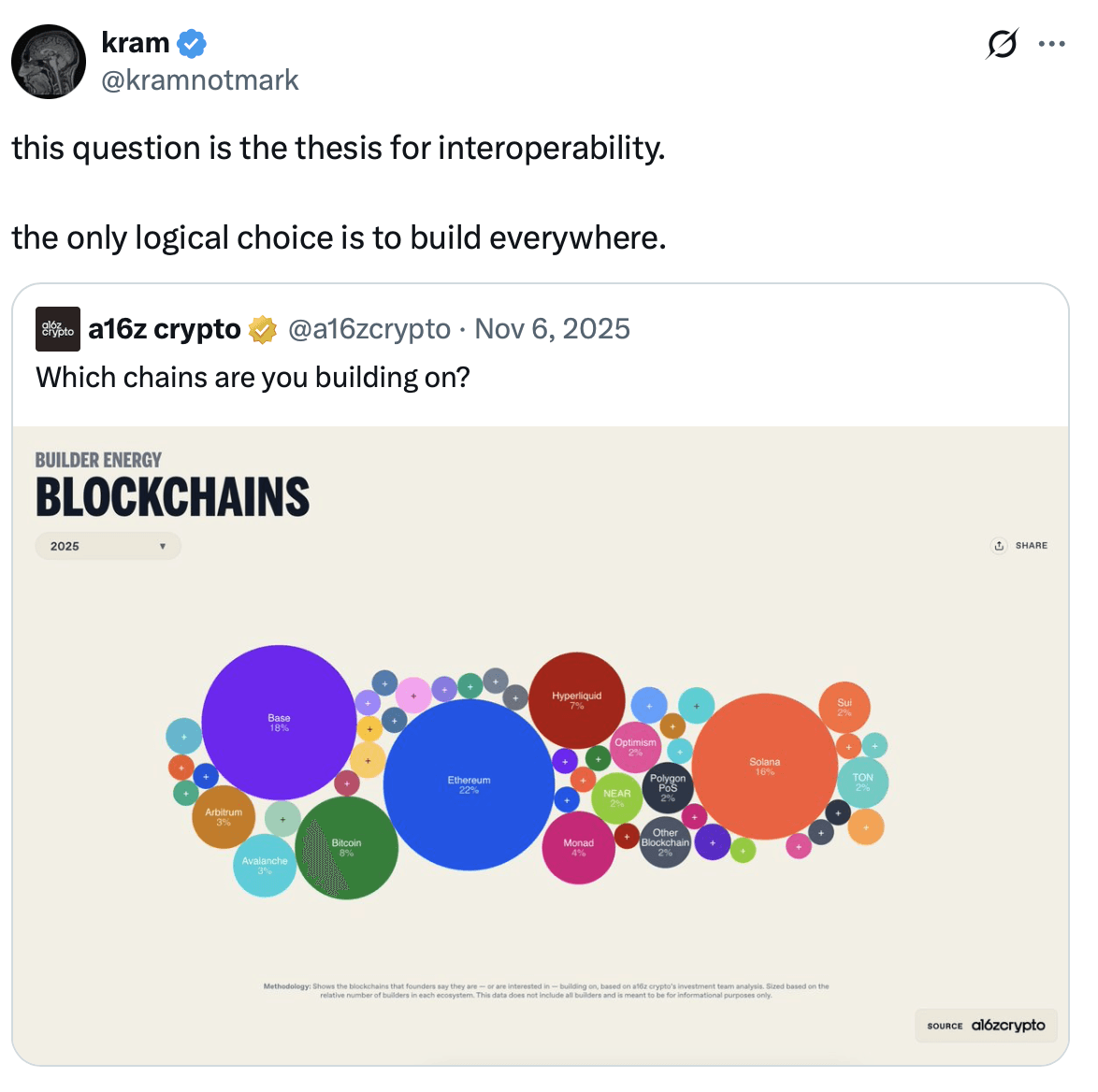
Choosing between the dozens of chains now built on OP Stack requires a disciplined framework. In 2026, the Superchain has expanded from a single chain to over a dozen production networks, including Base, World Chain, and Zora. This growth creates liquidity fragmentation, making it difficult to assess which projects offer genuine utility versus speculative hype. This section provides a concrete decision framework to evaluate these infrastructure plays.
Before investing in any Superchain project, confirm it is a true OP Stack rollup. Check the official documentation to ensure the project uses the standardized sequencing and settlement layers. This compliance guarantees access to shared security and potential future interoperability features. Projects that fork the code without maintaining standard interfaces risk isolation and higher maintenance costs.
Liquidity is the primary bottleneck in the Superchain thesis. Evaluate the project’s total value locked (TVL) relative to its market cap, but also look at cross-chain bridge volumes. A healthy project shows consistent activity moving assets between its chain and the base layer. Thin liquidity on niche chains often leads to high slippage and abandoned user bases, nullifying the benefits of the Superchain model.
Most Superchain projects issue a governance token. Scrutinize its utility: does it control protocol upgrades, fee distribution, or security parameters? High inflation or low utility tokens often lead to sell pressure that outweighs network growth. Look for tokens with clear revenue-sharing mechanisms or staking rewards that are sustainable, not dependent on continuous new user acquisition to maintain value.
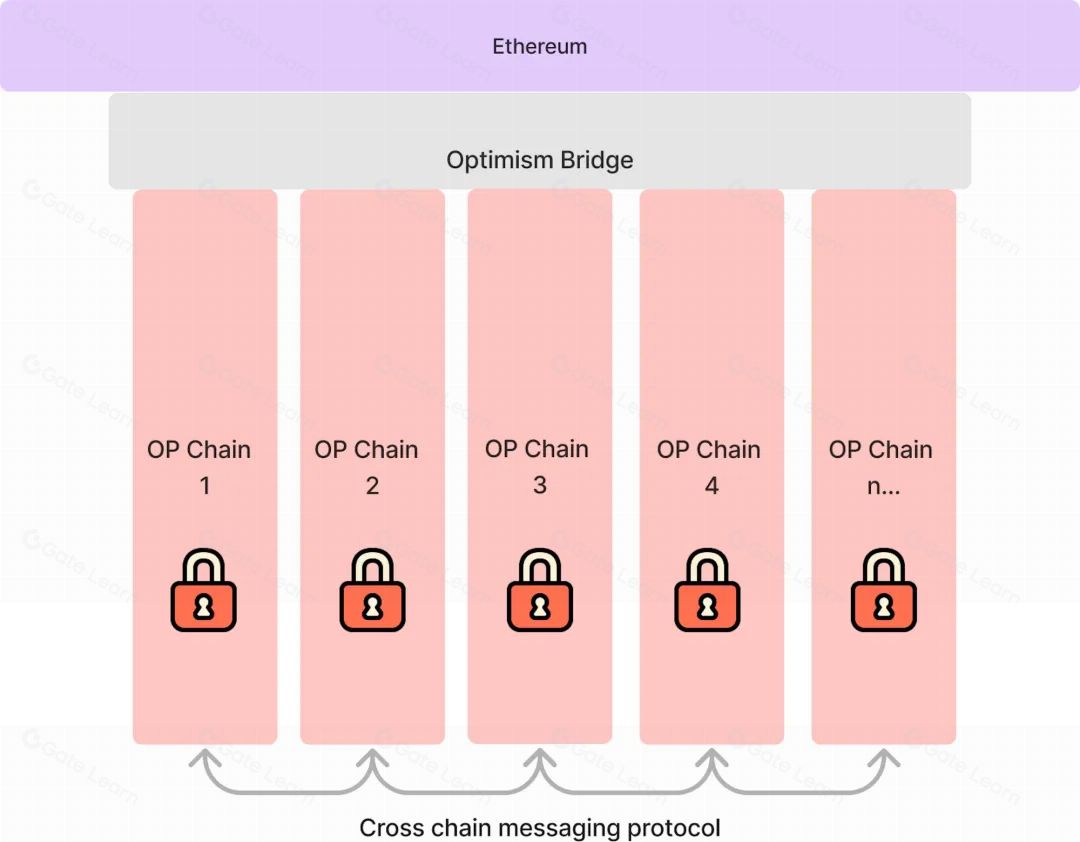
Shared security is a double-edged sword. If the base layer or a major peer chain suffers a critical exploit, the entire Superchain ecosystem may face reputational or technical contagion. Review the project’s audit history and incident response protocols. Projects that have transparently addressed past vulnerabilities and maintain active bug bounty programs are better positioned for long-term resilience.
| Evaluation Metric | Strong Signal | Weak Signal |
|---|---|---|
| Liquidity | High cross-chain bridge volume | Isolated TVL with low volume |
| Governance | Active on-chain voting | Centralized admin controls |
| Security | Multiple reputable audits | No public audit history |
| Compliance | Standard OP Stack interface | Custom non-standard forks |
Common Mistakes in the Superchain Thesis
The Superchain narrative promises a unified liquidity layer, but the reality is more fragmented than the whitepapers suggest. As of April 2026, the ecosystem has expanded from a single chain to over a dozen production networks, including Base, World Chain, and Zora. This growth creates a critical misunderstanding: assuming interoperability is automatic. It is not.
The most common error is treating OP Stack as a monolithic solution. Each chain retains its own sequencer and governance. Liquidity does not flow freely between them without explicit bridges and messaging protocols. Users often assume that holding an asset on one Superchain chain means it is instantly usable on another. This is false. Without standardized messaging layers, assets remain siloed, defeating the purpose of the thesis.
Another weak option is ignoring the governance fragmentation. The Optimism Collective’s governance model is complex and slow-moving. Decisions that affect the entire Superchain infrastructure can stall, leaving chains in limbo. Investors and developers who assume a unified direction will be caught off guard by divergent upgrades or policy changes across different chain operators.
Finally, many overlook the security tradeoffs. While the Superchain aims for shared security, each chain still relies on its own validator set. A failure or exploit on one chain does not automatically trigger a response on others. This lack of immediate, unified security response is a significant risk that the Superchain thesis often glosses over. Always verify the specific security model of each chain you interact with.
Superchain thesis 2026: what to check next
The Superchain model has shifted from a technical experiment to a dominant infrastructure layer. With 34 OP Chains processing 3.6 billion transactions in H2 2025, the focus is now on practical interoperability and liquidity consolidation. Here are the most common questions about the Superchain thesis in 2026.
Is the Superchain still just a concept?
No. The Superchain is now a production reality. It has expanded from a single chain to a dozen major networks, including Base, World Chain, and Zora. These chains share the OP Stack, creating a unified ecosystem where standards and security are baked in rather than bolted on.
How does liquidity fragmentation get solved?
Liquidity is no longer trapped in silos. The Superchain enables seamless value transfer across chains without bridging risks. This shared liquidity pool reduces slippage and improves capital efficiency, making the entire ecosystem more attractive to institutional and retail users alike.
What role does OP governance play in 2026?
OP governance acts as the central nervous system. It coordinates upgrades and security standards across all connected chains. This centralized oversight ensures that new chains inherit robust security protocols, reducing the risk of isolated failures and maintaining ecosystem integrity.
Is OP Stack the standard for L2s?
OP Stack is becoming the de facto standard for modular blockchains. Its open-source nature allows developers to build customized chains quickly. As more projects adopt it, network effects strengthen, making interoperability and developer tooling more mature and reliable.
No comments yet. Be the first to share your thoughts!