Superchain thesis 2026: limits and choices that change the plan
The 2026 superchain thesis shifts from connecting isolated L2s to creating a unified liquidity layer. The goal is to make Ethereum’s scaling ecosystem feel like a single chain to the user while maintaining individual rollup sovereignty. This evolution moves beyond simple bridge mechanics toward shared state and unified sequencer ordering.
The foundation for this evolution is visible in current data. In H2 2025, the Optimism Superchain reached 34 OP Chains, with transactions hitting an all-time high of 3.6 billion, up 44% from the previous half-year [[src-serp-2]]. This growth demonstrates the viability of the modular approach, but the next constraint is liquidity fragmentation. As more chains launch, the challenge becomes ensuring assets move seamlessly without deep slippage or complex bridging steps.
For 2026, the focus shifts to "aggregation." L2s will increasingly share security and data availability layers while interacting through standardized interfaces. The result is a network where underlying complexity is hidden, and the user experience resembles a monolithic chain. The constraint now is not technical feasibility, but economic alignment and governance coordination across diverse rollup operators.
Superchain tradeoffs in 2026
The superchain thesis is moving from concept to infrastructure. In H2 2025, the Optimism ecosystem processed 3.6 billion transactions—a 44% jump from the previous half-year. This growth signals that multi-chain aggregation is no longer theoretical, but the architecture introduces specific tradeoffs you must evaluate before deploying.
Choosing a superchain model means balancing liquidity fragmentation against operational efficiency. A centralized sequencer offers speed but reduces censorship resistance, while decentralized sequencing adds security at the cost of latency. Similarly, shared sequencers lower costs but create new dependency points. Understanding these mechanics is essential for maintaining both performance and decentralization principles.
| Feature | Centralized Sequencer | Decentralized Sequencer | Shared Sequencer |
|---|---|---|---|
| Transaction Throughput | High | Low | Medium |
| Censorship Resistance | Low | High | Medium |
| Latency | Low | High | Medium |
| Liquidity Fragmentation | Low | High | Medium |
| Operational Cost | Low | High | Medium |
The 2026 landscape will likely prioritize shared infrastructure to mitigate these tradeoffs. By pooling sequencer resources, chains can achieve higher throughput without sacrificing the security guarantees of decentralized verification. However, this requires strict coordination between operators and validators. If the network grows too large, the overhead of cross-chain messaging can become a bottleneck, negating the benefits of aggregation.
Evaluate your specific use case against these metrics. High-frequency trading applications may tolerate centralized sequencers for speed, while governance-heavy protocols should prioritize decentralized options. The "best" choice depends entirely on whether you value latency, security, or cost efficiency above all else.
Choose the next step
The Superchain Evolution works best as a clear sequence: define the constraint, compare the realistic options, test the tradeoff, and choose the path with the fewest hidden costs. That order keeps the advice usable instead of decorative. After each step, pause long enough to check whether the recommendation still fits the reader's actual situation. If it depends on perfect timing, unusual access, or a best-case budget, include a simpler fallback.
Avoiding Misleading Scaling Claims
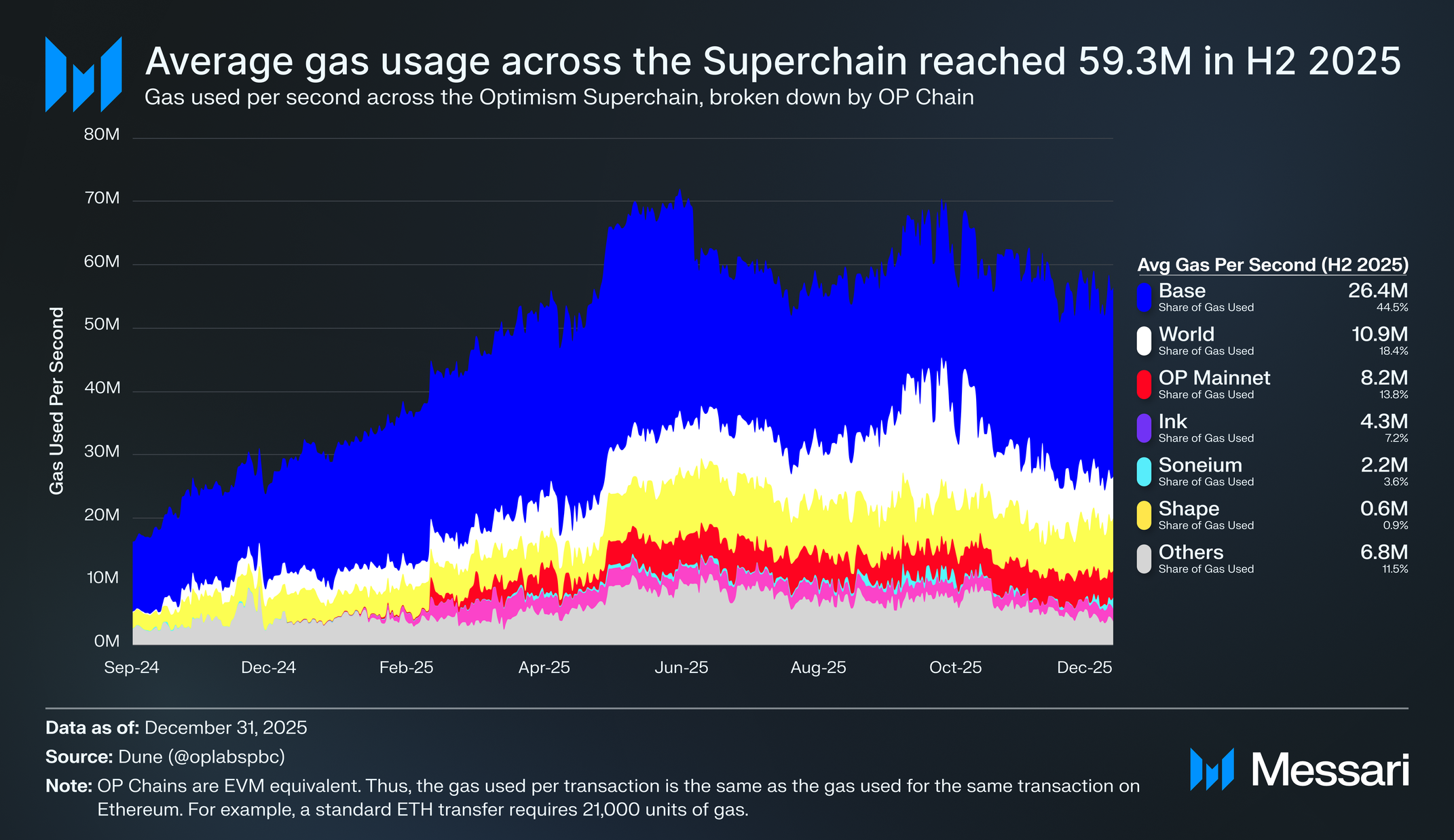
The narrative around L2 aggregation often outpaces the technical reality. While the Optimism Superchain processed 3.6 billion transactions in H2 2025, this growth masks significant fragmentation risks [src-serp-2]. Aggregation promises seamless liquidity, but current implementations often create siloed liquidity pools that confuse users and developers alike. When evaluating scaling solutions, look beyond total transaction volume and examine cross-chain interoperability metrics.
Many projects market "unified liquidity" while relying on fragmented bridges that increase security exposure and transaction costs. The real test of L2 aggregation is not how many chains are connected, but how efficiently value moves between them without manual bridging. Projects claiming instant finality often hide latency in their settlement layers. Check the actual time-to-settle for a trade, not just the time-to-approve.
Weak options often appear as "supercharged" versions of existing L2s that add no real utility. They may offer lower fees by reducing security assumptions or using less proven consensus mechanisms. Always verify the security model and check if the project has undergone independent audits. The 2026 Superchain evolution will be defined by projects that prioritize security and interoperability over marketing hype.
Superchain thesis 2026: what to check next
The 2026 Superchain Evolution is shifting from experimental infrastructure to a consolidated scaling network. As the Optimism Superchain reaches 34 OP Chains and transaction volumes hit 3.6 billion, the focus is moving toward cross-chain interoperability and unified liquidity. This FAQ addresses the practical objections developers and users face when navigating this multi-chain landscape.
What is the core goal of the Superchain thesis?
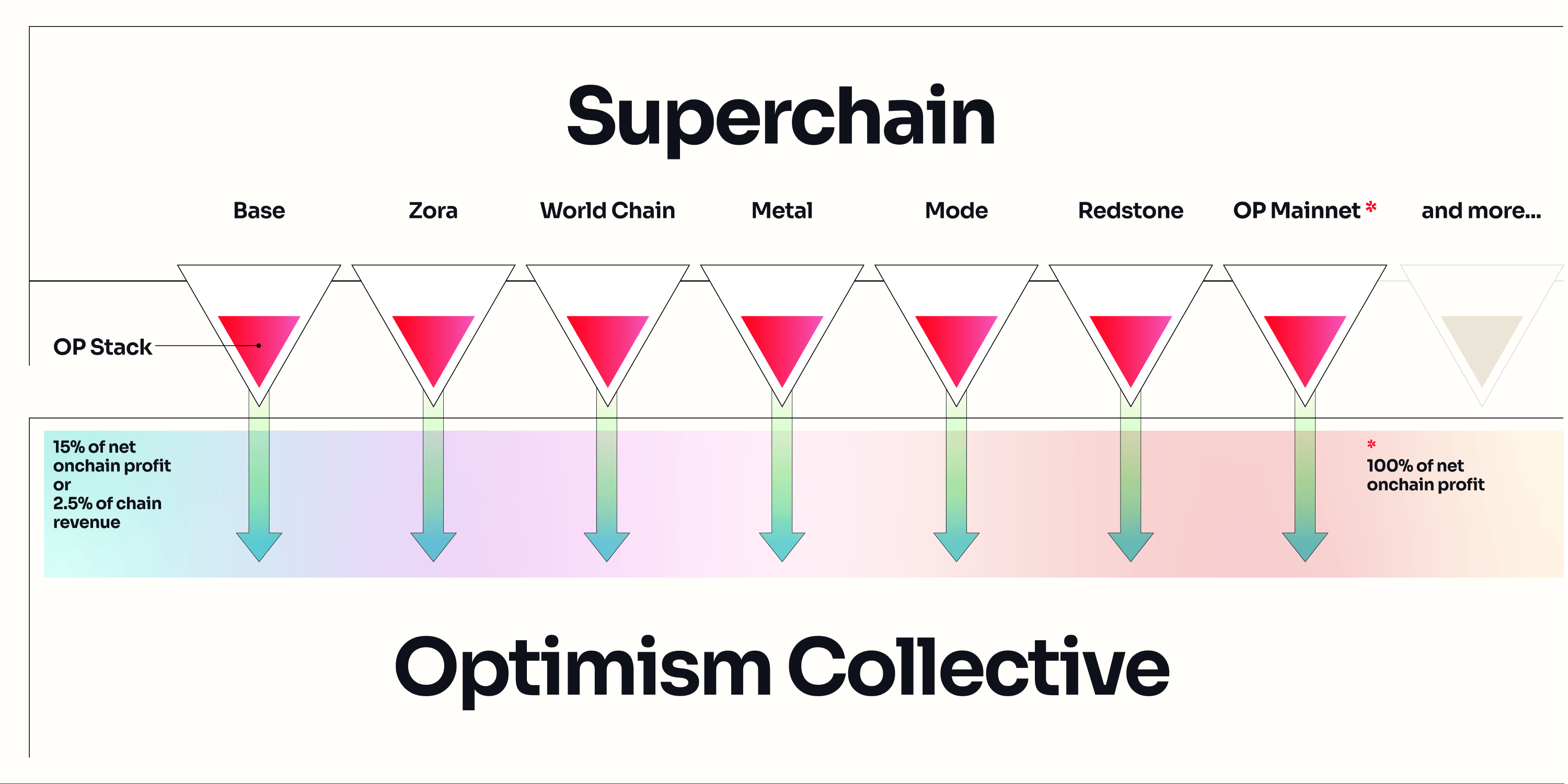
The Superchain thesis aims to solve the fragmentation problem in Ethereum scaling. Instead of isolated Layer 2 networks, the Superchain creates a family of chains sharing a common security layer and technology stack. This reduces the friction of moving assets between chains, making the user experience feel like a single, cohesive network rather than a disjointed set of silos.
How does 2026 change the architecture for developers?
By 2026, the emphasis shifts from launching individual chains to optimizing cross-chain communication. The architecture prioritizes shared sequencer infrastructure and standardized rollup technology. This means developers can build applications that seamlessly operate across multiple L2s without managing complex bridging logic, significantly reducing development time and security risks.
Is the Superchain safe for long-term value storage?
Security remains anchored to Ethereum’s Layer 1. While individual L2s have their own fault proofs, the Superchain model leverages Ethereum’s base layer for finality and dispute resolution. This ensures that while transaction throughput increases, the fundamental security guarantees of the underlying Ethereum network are preserved, providing a robust foundation for high-value transactions.
How will liquidity fragmentation be handled?
Fragmented liquidity is a primary concern for the Superchain ecosystem. The 2026 evolution introduces unified liquidity protocols that aggregate order books and pool depths across all connected OP Chains. This allows users to access deep liquidity regardless of which specific chain they are interacting with, eliminating the need to manually bridge assets for the best trade execution.
No comments yet. Be the first to share your thoughts!