Defining the superchain thesis
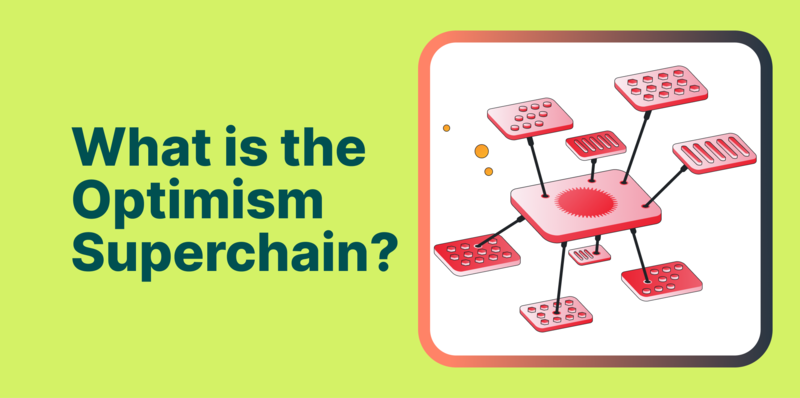
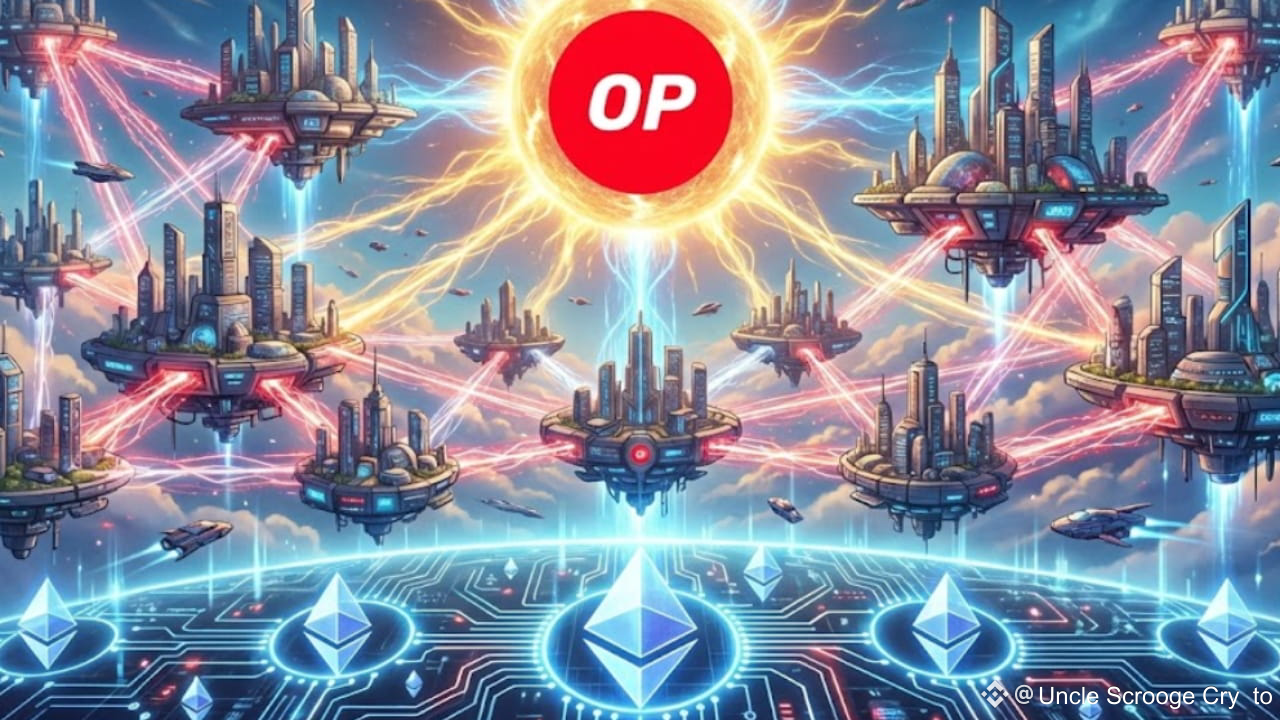
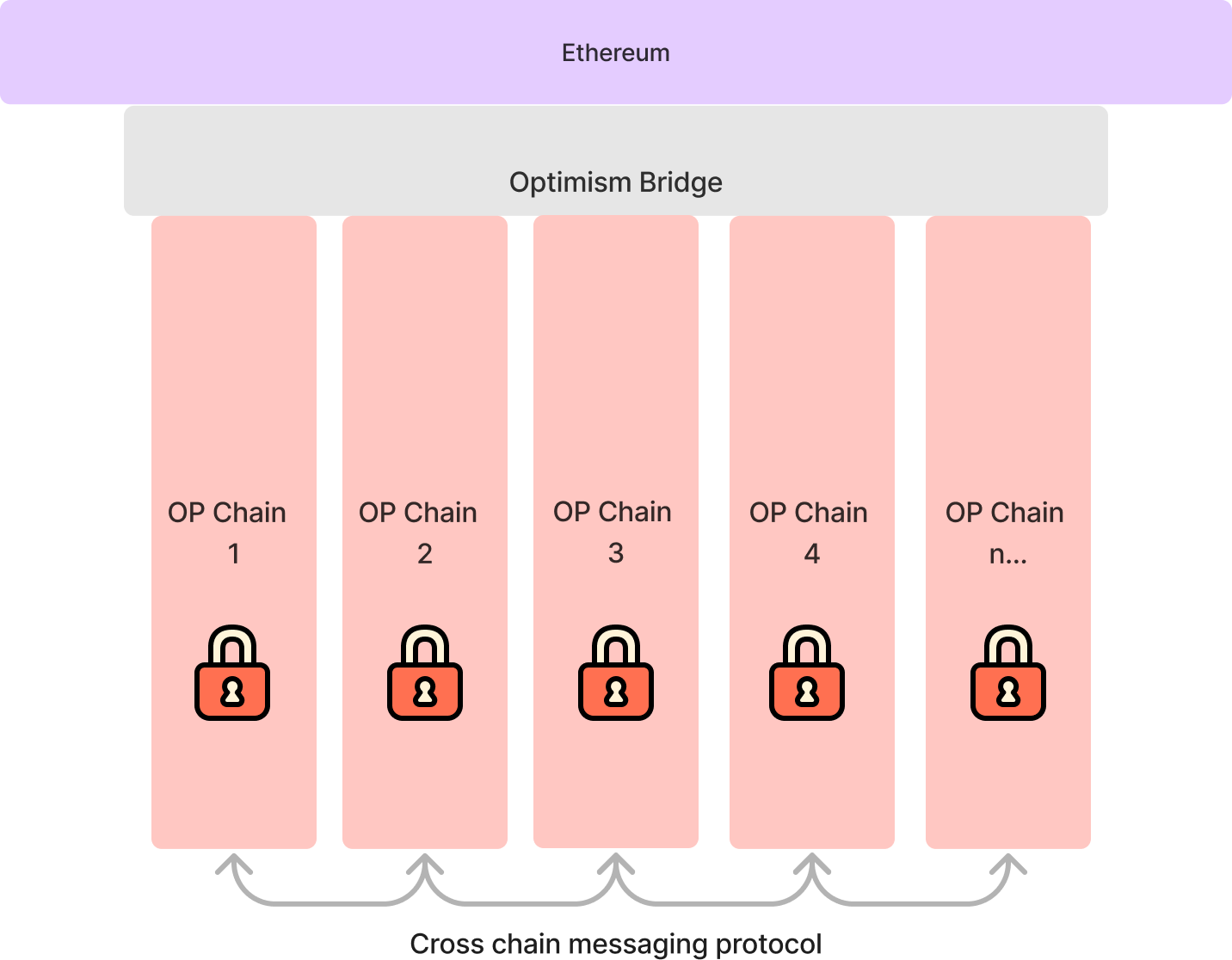
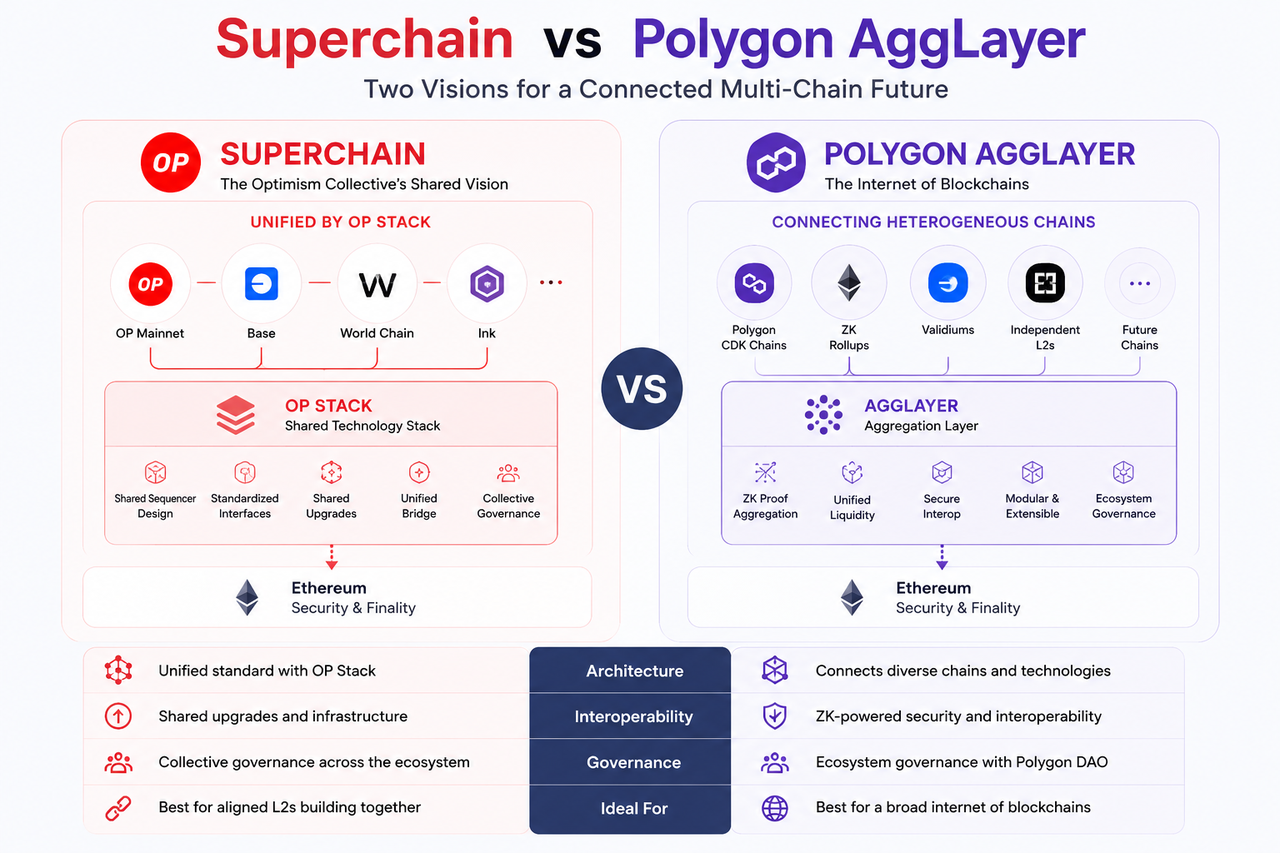
The superchain thesis proposes a modular scaling strategy for Ethereum that replaces isolated, fragile bridges with shared infrastructure. Instead of treating each Layer 2 as a standalone silo, the thesis envisions a network of chains that coordinate security, governance, and communication. This approach aims to create a cohesive ecosystem where liquidity and user experience flow freely, rather than getting trapped behind interoperability walls.
At its core, this model relies on standardized frameworks like the OP Stack. By building on a common codebase, individual chains can launch quickly while inheriting the security guarantees of the underlying Ethereum layer. This standardization reduces the risk of exploits that often plague custom, isolated rollups. It shifts the focus from individual chain growth to collective network resilience.
This architecture enables institutional-grade interoperability by simplifying how assets and data move across the network. Users interact with a unified experience, unaware of the underlying complexity. For developers, it means writing once and deploying across multiple environments without reinventing the wheel for every new chain. The result is a more robust, scalable Ethereum ecosystem.
The OP Stack as an Open Source Blueprint
The OP Stack is the architectural engine behind the Superchain thesis. It is a modular, open-source collection of software components that allows developers to build Layer 2 blockchains. Instead of coding every layer from scratch, teams use the OP Stack as a shared foundation. This approach reduces development friction and ensures that new chains are compatible with the broader Ethereum ecosystem by design.
The stack is divided into distinct layers, each handling a specific part of the blockchain process. The Execution Layer processes transactions and smart contracts. The Consensus Layer handles block production and ordering. The Data Availability Layer ensures that transaction data is stored and accessible. The Settlement Layer anchors the chain to Ethereum mainnet. This modularity means that teams can swap out components or customize them without breaking the entire system.
This shared architecture creates protocol-level compatibility across different chains. When multiple L2s are built on the same stack, they speak the same language. This makes it easier to move assets and data between chains, which is essential for true interoperability. The OP Stack turns the complex task of building a blockchain into a standardized, repeatable process, allowing the Superchain to scale efficiently.
| Layer | Function |
|---|---|
| Execution | Processes transactions and smart contracts |
| Consensus | Handles block production and ordering |
| Data Availability | Stores and accesses transaction data |
| Settlement | Anchors the chain to Ethereum mainnet |
Cross-chain liquidity and user experience
The superchain thesis moves beyond theoretical interoperability to address the friction that currently defines multi-chain interactions. In traditional bridge models, users face a fragmented experience characterized by high gas fees, complex wrapping processes, and significant security risks. Liquidity is siloed across dozens of isolated networks, forcing institutions and retail users to navigate a maze of protocols to move value efficiently.
The superchain architecture solves this by treating Layer 2 networks as a unified ecosystem rather than isolated islands. Through shared sequencer infrastructure and standardized messaging protocols, assets can move between chains with near-instant finality and minimal overhead. This reduces the cognitive load on users, who no longer need to manage multiple bridge wallets or worry about cross-chain smart contract vulnerabilities.
For institutions, this seamless liquidity layer is transformative. It allows for the aggregation of deep liquidity pools across the entire superchain, reducing slippage on large trades and improving capital efficiency. The result is a user experience that feels less like navigating a complex financial infrastructure and more like using a single, scalable network.
To understand how market sentiment is currently reacting to these developments, we can look at the price action of key superchain-related assets.
This visualization of Optimism (OP) against USD highlights the volatility and interest surrounding Layer 2 infrastructure. As the superchain narrative gains traction, the correlation between asset performance and ecosystem growth becomes increasingly visible, signaling growing confidence in the underlying technology.
Institutional adoption signals in 2026
Enterprise and institutional players are increasingly drawn to the superchain model because it resolves the operational friction that has historically stalled blockchain integration. For traditional finance, the primary barrier is not technology but complexity. Managing separate security audits, liquidity pools, and compliance frameworks for each distinct chain is unsustainable at scale. The superchain thesis offers a unified architecture where Layer 2 networks share security, bridging, and governance layers. This consolidation transforms blockchain infrastructure from a fragmented liability into a standardized, auditable utility.
Shared security is the core value proposition for institutional risk managers. Instead of relying on individual validators or smaller, less proven consensus mechanisms, superchains inherit the security guarantees of the Ethereum mainnet. This eliminates the need for institutions to perform deep due diligence on the cryptographic strength of every individual Layer 2 they interact with. Compliance tools can operate across the entire ecosystem with consistent data standards, reducing the legal overhead associated with cross-chain transactions. The result is a predictable environment where regulatory reporting and audit trails are standardized rather than bespoke.
Reduced operational complexity accelerates deployment timelines significantly. Institutions no longer need to build custom bridges or negotiate inter-chain communication protocols for every new use case. The OP Stack and similar superchain frameworks provide a modular, pre-audited foundation that allows enterprises to launch compliant, interoperable chains in weeks rather than years. This speed-to-market advantage is critical for capital-intensive sectors like tokenized real-world assets (RWA) and decentralized finance (DeFi) derivatives, where time sensitivity directly impacts yield and risk exposure.
The market is already pricing in this shift toward institutional-grade infrastructure. The valuation of the primary superchain ecosystem token reflects growing confidence in its ability to support high-volume, compliant enterprise workloads.
Risks and fragmentation challenges
The Superchain thesis relies on a delicate balance: shared infrastructure must be more valuable than independent chains. Yet, this model faces real-world tensions as major players like Base begin to question the long-term alignment of interests. The promise of a unified liquidity layer is compelling, but the economic incentives driving it are not permanent.
Optimism’s Superchain model depends on a shared revenue pool that benefits all members. However, when a dominant chain like Base shifts its strategic focus away from Optimism’s ecosystem, it raises immediate doubts about the sustainability of that shared revenue. If the largest contributors step back, the economic gravity holding the Superchain together weakens significantly. This isn't just a technical disagreement; it's a structural risk to the entire thesis.
The "anti-superchain" argument, explored by researchers like Cooper Kunz, suggests that fragmentation is not a bug but a feature of competitive Layer 2 markets. Chains will inevitably optimize for their own tokenomics and governance, often at the expense of cross-chain interoperability. The result is a fragmented landscape where "superchain" branding masks competing, siloed ecosystems rather than a truly unified network.
Evaluating the superchain investment case
Investing in the superchain thesis requires looking past the hype to assess technical viability, governance structures, and sustainable revenue models. The goal is to identify projects that contribute to a unified network rather than isolated silos.
Confirm the project uses the OP Stack or a compatible modular framework. This ensures native interoperability with other chains in the network, reducing bridge risks and lowering operational costs. Check the Optimism documentation for technical specifics.
Look for active governance forums and transparent voting records. Strong superchain projects have decentralized decision-making processes where token holders influence protocol upgrades and treasury allocation.
Evaluate how fees are distributed. Sustainable projects share a portion of transaction revenue with stakers or the ecosystem treasury, creating a flywheel effect that aligns user incentives with network health.
Review third-party security audits and bug bounty programs. The superchain’s shared security model means one chain’s vulnerability can impact the wider network; rigorous testing is non-negotiable.
Common questions about the superchain
The superchain thesis relies on the OP Stack to create a network of Layer 2 blockchains that share bridging, governance, and upgrades. This modular approach allows rollups to communicate seamlessly while maintaining their own execution layers.
How does the superchain improve interoperability?
Interoperability is achieved through shared standards rather than complex cross-chain bridges. By using a common communication layer, chains within the superchain can transfer assets and data instantly. This reduces fragmentation and improves the user experience across the ecosystem.
Is the OP Stack open source?
Yes, the OP Stack is open source software. It is a modular collection of components that anyone can use to build a Layer 2 blockchain. This transparency allows developers to customize their rollups while adhering to the interoperability standards defined by the superchain thesis.
What is the roadmap for superchain expansion?
The roadmap focuses on decentralized sequencer networks and enhanced cross-chain messaging. Future upgrades aim to reduce reliance on centralized validators and improve security guarantees. The goal is to create a more robust and scalable network of interconnected Layer 2 solutions.
No comments yet. Be the first to share your thoughts!