
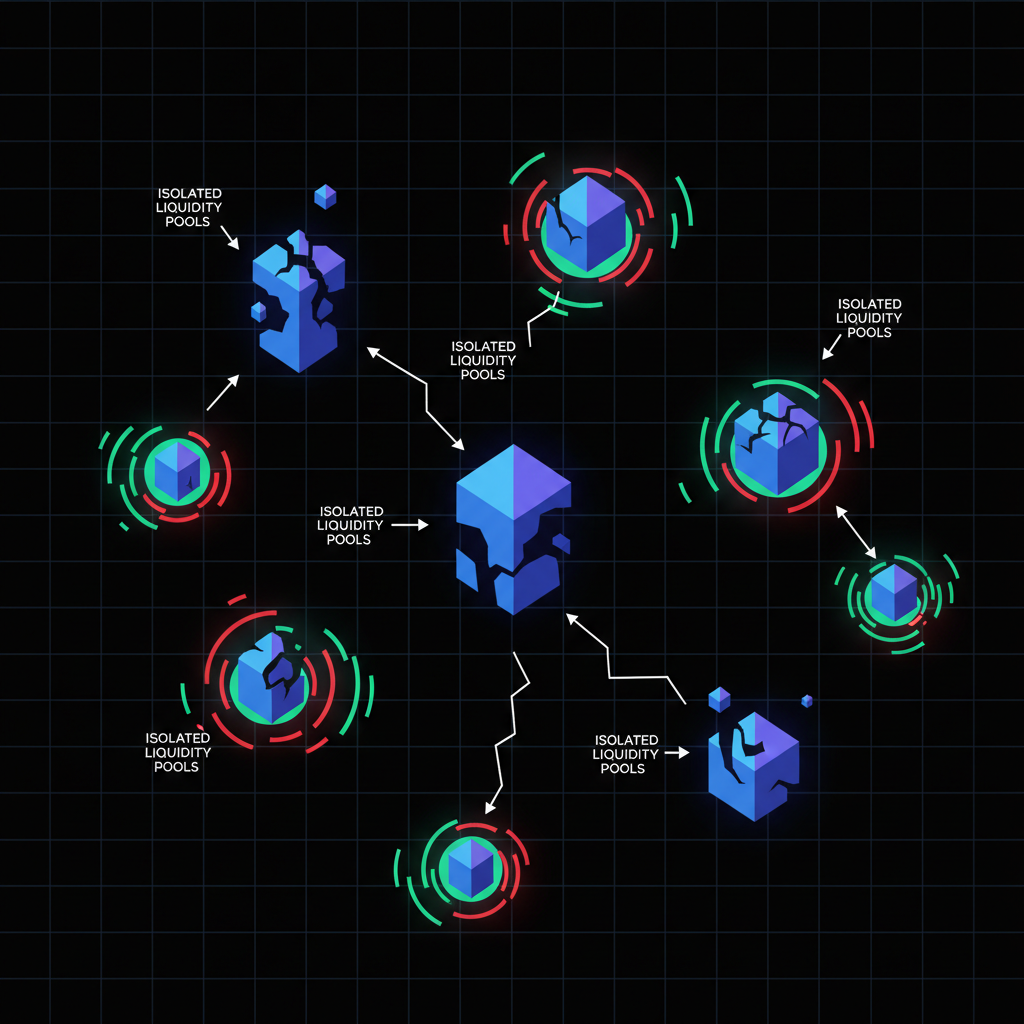
In the bustling ecosystem of Ethereum's Layer 2 solutions, rollup fragmentation in OP Superchain stands as a silent killer of efficiency. With Ethereum's native token trading at $2,105.71, up $98.09 over the last 24 hours, the network's scalability push through rollups has exploded. Yet, isolated liquidity pools and siloed transaction ordering create barriers to seamless cross-chain interactions, stifling the multi-rollup vision Optimism champions. Enter shared sequencers like Espresso, poised to stitch these fragments into a cohesive fabric.
The Liquidity Silos Plaguing OP Stack Chains
OP Superchain, built on the OP Stack, promises a constellation of interconnected rollups sharing bridges and governance. But reality bites: each rollup runs its own sequencer, dictating transaction order independently. This setup breeds rollup fragmentation in OP Superchain, where users face fractured liquidity and delayed cross-rollup composability. Developers building on chains like Base or Zora encounter the same headache - assets trapped in one rollup can't fluidly interact with another without clunky bridges or generalized message passing that lacks atomicity.
Consider the numbers. Hundreds of L2s now dot Ethereum's landscape, yet OP Stack interoperability remains nascent. Superchain's shared bridge helps with deposits and withdrawals, but without unified ordering, intents like atomic swaps or MEV-protected trades across chains falter. It's a strategic misstep; liquidity should flow like water, not pool in stagnant reservoirs.
Superchain is strictly built for OP Stack chains. All chains are connected to a shared bridge and a shared sequencer.
This insight from ecosystem discussions underscores the gap. Current Superchain interoperability lets chains read each other's state, but true coordination demands more - a neutral layer for Ethereum rollup coordination.
Master Shared Sequencers: Defragment OP Superchain with Espresso, Astria & Radius

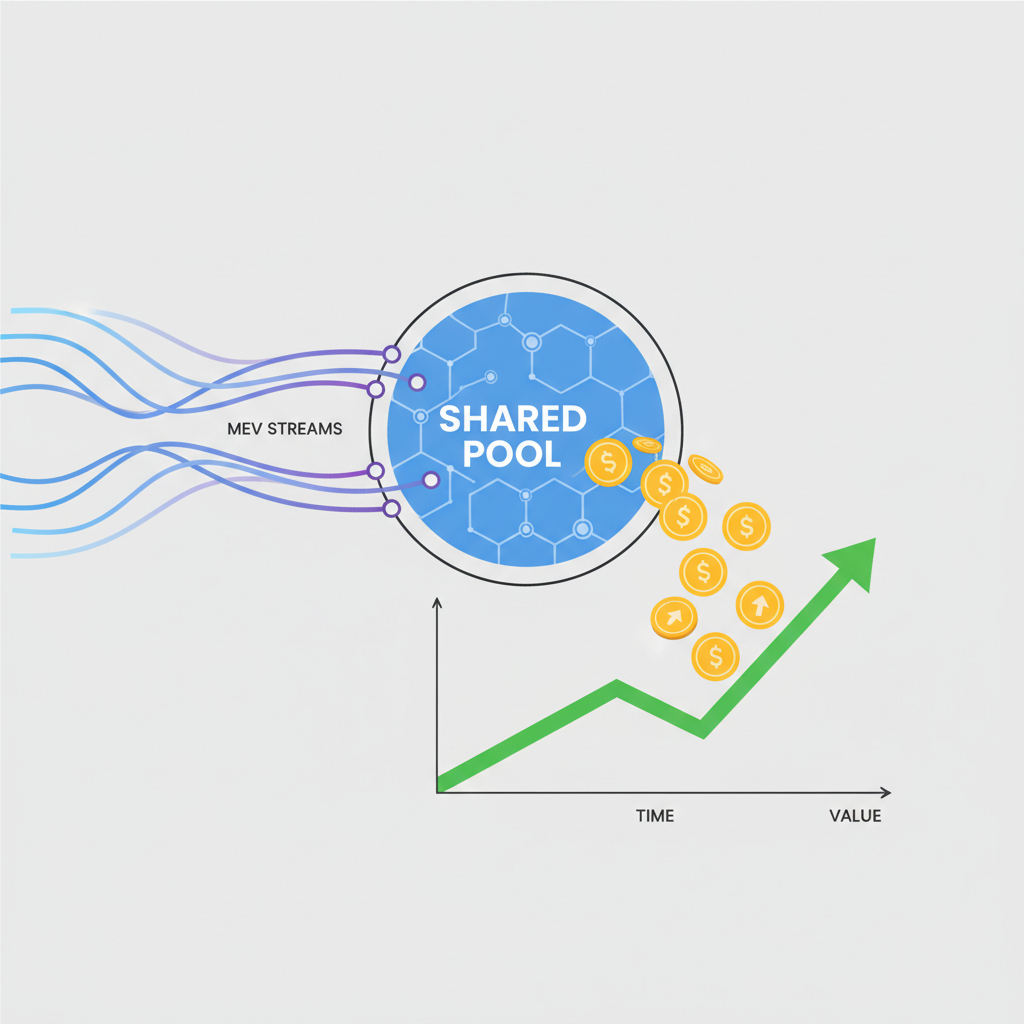
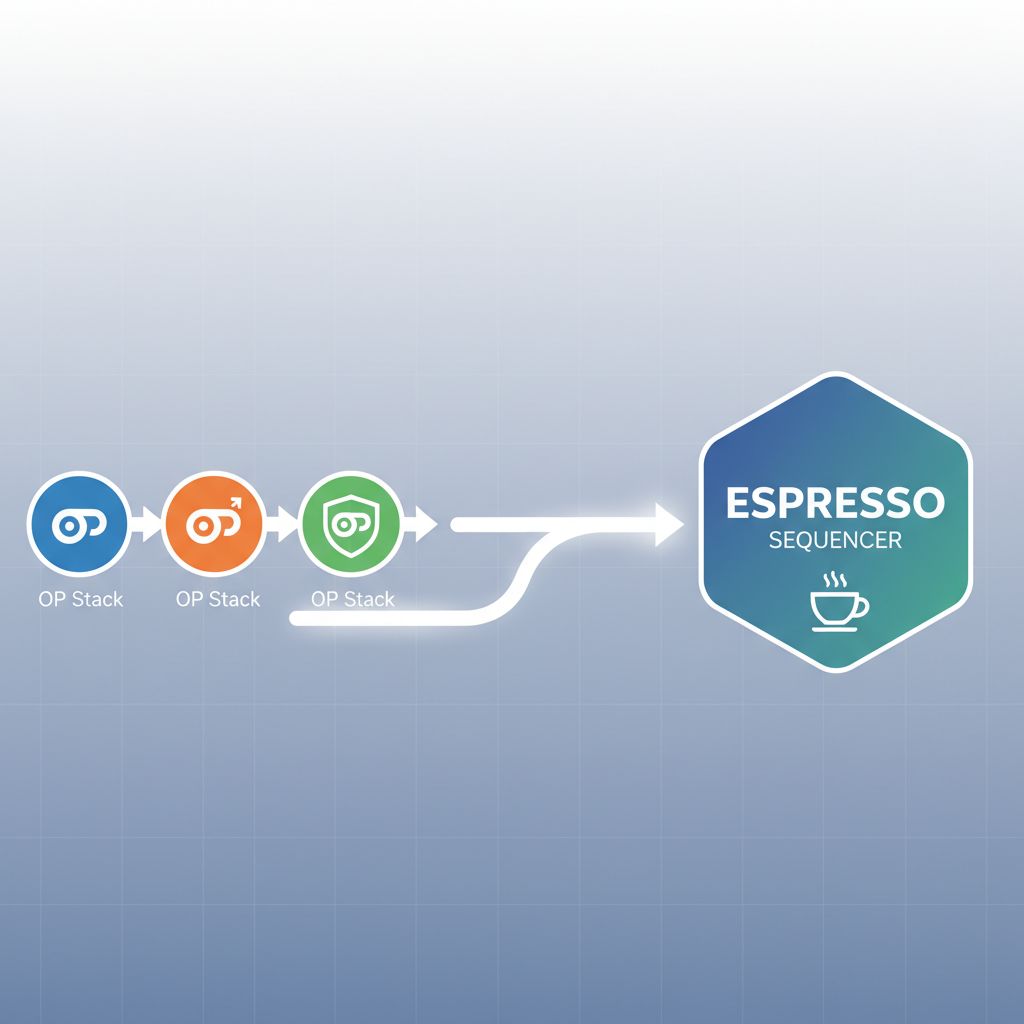
This isn't pie-in-the-sky. Shared sequencing defragments the L2 ecosystem by enabling superchain sequencer solutions, where one sequencer's output serves many rollups. For OP Superchain, it means evolving from loose federation to tight-knit synchronization.
Espresso's HotShot: Speed and Security in Sequencing
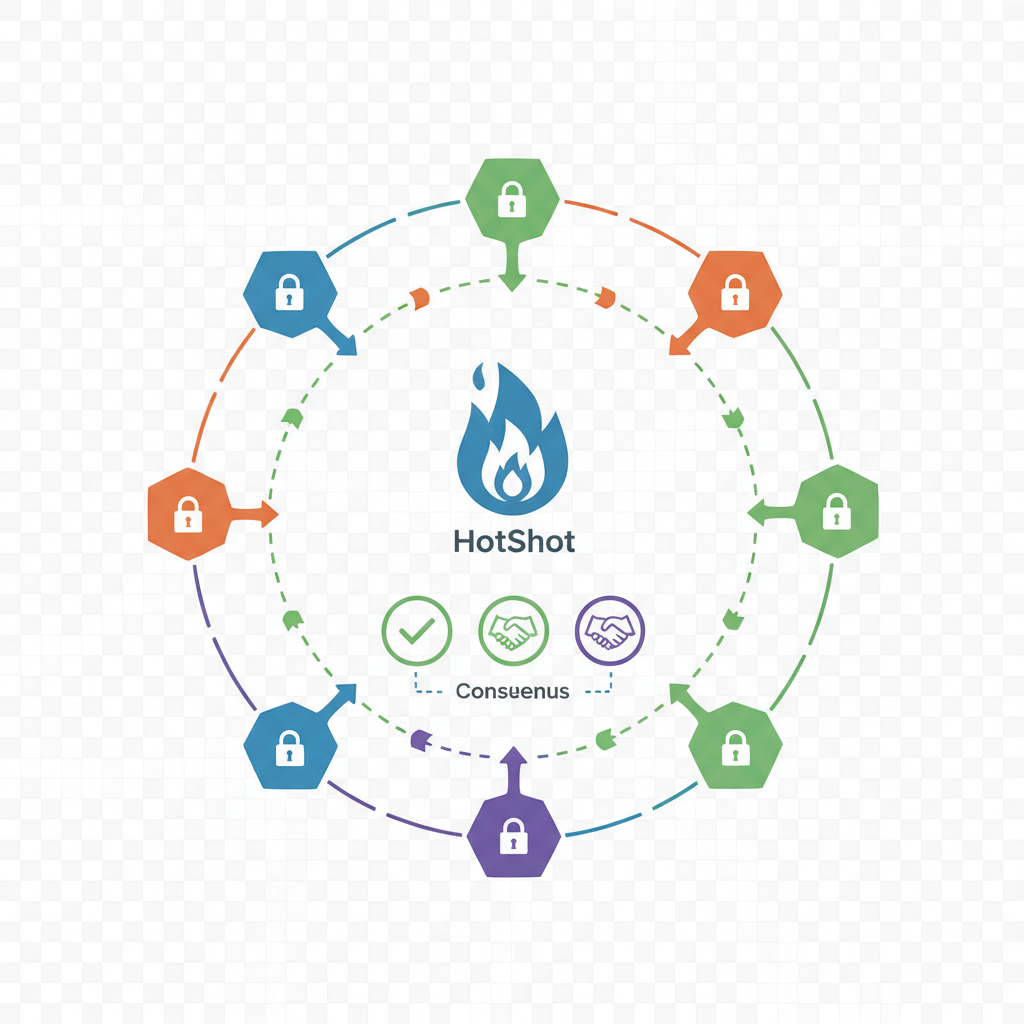
Dig deeper into Espresso Systems' offering. Their Espresso Sequencer tackles rollup fragmentation head-on with a unified transaction layer. Rollups plug in, submitting batches to the shared sequencer, which orders them globally before attestations hit individual chains. Security shines through decentralization - hundreds of nodes validate, slashing risks of sequencer downtime or collusion.
HotShot consensus is the secret sauce: leaderless, with sub-second latency for blocks. Paired with data availability sampling, it ensures liveness even as rollup count swells. For OP Superchain users, this translates to near-instant cross-chain trades without bridge waits. Imagine swapping on Base, lending on Zora, all atomically settled.
Ethereum (ETH) Price Prediction 2027-2032
Projections amid L2 rollup advancements, shared sequencers like Espresso, and Superchain interoperability
| Year | Minimum Price | Average Price | Maximum Price | Avg YoY % Change |
|---|---|---|---|---|
| 2027 | $3,000 | $4,500 | $7,000 | +80% |
| 2028 | $4,000 | $6,500 | $11,000 | +44% |
| 2029 | $5,500 | $9,000 | $16,000 | +38% |
| 2030 | $7,500 | $13,000 | $23,000 | +44% |
| 2031 | $10,000 | $18,000 | $32,000 | +38% |
| 2032 | $13,500 | $25,000 | $45,000 | +39% |
Price Prediction Summary
Ethereum's price is forecasted to experience substantial growth driven by solutions to rollup fragmentation via shared sequencers (e.g., Espresso), boosting L2 adoption, TVL, and composability. From a 2026 baseline of ~$2,500 average, ETH could average $25,000 by 2032, with max potentials up to $45,000 in bullish scenarios, reflecting progressive market cycles and tech upgrades.
Key Factors Affecting Ethereum Price
- Adoption of shared sequencers resolving L2 fragmentation and enabling atomic cross-rollup txs
- OP Superchain and similar interoperability protocols unifying liquidity
- Increased DeFi/NFT/RWA use cases on efficient L2s
- Institutional inflows and regulatory clarity
- Competition from Solana etc., but ETH's network effects dominate
- Macro cycles including BTC halvings and global adoption trends
Disclaimer: Cryptocurrency price predictions are speculative and based on current market analysis. Actual prices may vary significantly due to market volatility, regulatory changes, and other factors. Always do your own research before making investment decisions.
Optimism's documentation hints at this future, with Superchain interoperability protocols paving the way. Yet, without shared sequencers, it's incomplete. Espresso bridges that void, fostering an ecosystem where shared sequencers Espresso become the backbone. As ETH holds steady at $2,105.71, investors eye these innovations for the next leg up in scalability premiums.
Read more on how shared sequencers enable cross-rollup composability.
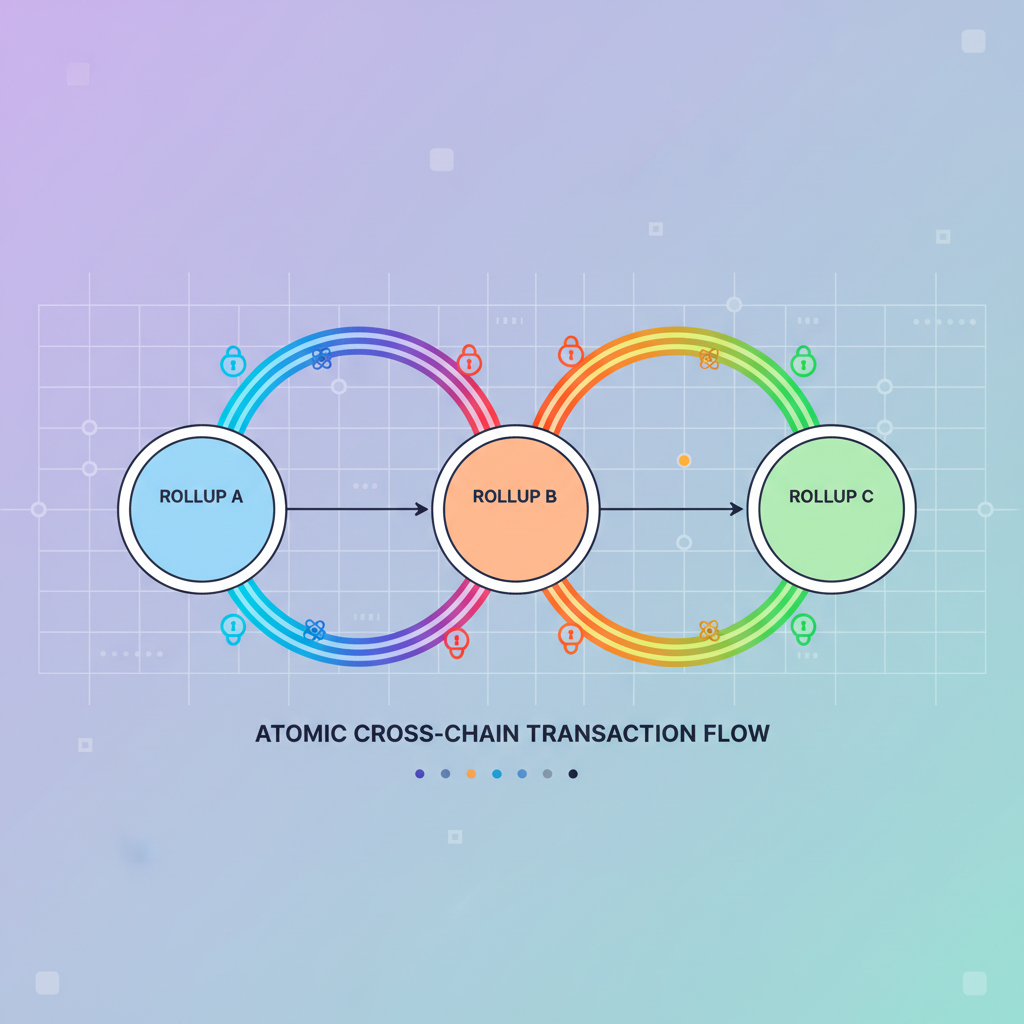
Espresso's architecture doesn't stop at theory; it's already proving its mettle in live integrations. Platforms like Polygon's zkEVM and Optimism's OP Stack are testing the waters, plugging their rollups into the Espresso Sequencer for unified ordering. This setup delivers atomic cross-rollup transactions, where trades execute fully or not at all across chains, eliminating the dread of partial failures that plague bridge-based systems.
In OP Superchain specifically, this means chains can share not just bridges but a common mempool and ordering policy. Developers gain Ethereum rollup coordination without rebuilding from scratch. Security bolsters through HotShot's consensus, distributing control across nodes to thwart single points of failure. Fast finality, often under a second, crushes the delays of individual sequencers, aligning perfectly with Superchain's multi-rollup ethos.
Atomic Execution: The Game-Changer for Composability
Picture this: a trader on Base wants to arbitrage an opportunity on Zora, all without liquidity fragmentation slowing them down. With shared sequencers Espresso, transactions bundle into a single global order, settled atomically. No more waiting for challenge periods or optimistic assumptions; HotShot ensures liveness and fairness. This unlocks shared MEV opportunities too, where searchers compete across rollups, boosting yields for stakers and users alike.
Shared sequencers also unlock the potential for atomic swaps between rollups, which might be very interesting for Superchain or Orbit.
Such capabilities address the core pain of rollup fragmentation in OP Superchain. Superchain's protocols already enable state reads between OP Stack chains, but shared sequencing adds the write-lock magic, guaranteeing consistent execution. It's a strategic pivot from fragmented fiefdoms to a unified empire.
Yet Espresso isn't alone. Networks like Astria and Radius push similar boundaries, each vying for neutrality in the sequencing wars. Astria emphasizes permissionless access, while Radius focuses on throughput. For Optimism loyalists, these options complement the Superchain's roadmap, potentially layering atop its shared bridge for full-spectrum superchain sequencer solutions.
Navigating Challenges in Shared Sequencing
Adoption won't be frictionless. Sequencer centralization risks linger, even decentralized; a cartel of nodes could still censor. Economic incentives must align perfectly to prevent chain favoritism. Moreover, retrofitting existing OP Stack chains demands careful upgrades, balancing backward compatibility with innovation. HotShot mitigates much of this via leaderless design, but governance debates will shape the path forward.
Strategic players should watch node operator diversity and slashing mechanisms closely. Espresso's testnets show promise, with integrations signaling maturity. As Ethereum holds at $2,105.71, a modest and $98.09 in 24 hours, these L2 leaps could catalyze the next rally, rewarding chains that embrace coordination over isolation.
| Sequencer Network | Key Strength | OP Superchain Fit |
|---|---|---|
| Espresso | HotShot sub-second finality | Atomic tx across Base/Zora |
| Astria | Permissionless nodes | Scalable for Orbit stacks |
| Radius | High throughput | MEV sharing in Superchain |

Forward thinkers in DeFi and NFTs stand to gain most. Liquidity migrates to where composability thrives, pulling TVL into Superchain hubs. Developers, prioritize sequencer-agnostic designs; the era of solo rollups fades. With tools like Espresso fortifying the stack, OP Superchain evolves from promising prototype to scalability powerhouse, drawing capital as ETH stabilizes around $2,105.71. The fragments coalesce, and the network strengthens.




No comments yet. Be the first to share your thoughts!