The superchain interoperability shift
The modular blockchain landscape is moving from isolated liquidity silos to a unified state machine. This transition, driven by the OP Stack’s interoperability protocols, allows distinct Layer 2 networks to read each other’s state directly. Instead of routing assets through centralized bridges or waiting for slow finality windows, transactions now cross chains with near-instant settlement. This architectural shift fundamentally alters how Ethereum ecosystem tokens are valued and utilized.
Currently, the Superchain consists of 29 OP Stack chains that are in the process of being unified under a single interoperability layer. This means that an asset on Base can interact with a contract on Optimism without leaving the superchain environment. The result is a cohesive economic zone where liquidity is shared, and user experience is streamlined. For investors, this reduces fragmentation risk and increases the utility of tokens across the entire cluster.
The implications extend beyond convenience. By treating the superchain as one logical chain, developers can build applications that span multiple networks without managing complex cross-chain messaging. This lowers the barrier to entry for innovation and concentrates network effects. As the infrastructure matures, the value accrual will likely shift from individual chain tokens to the broader ecosystem, rewarding those who understand the new modular dynamics.
How OP Stack chains read each other's state
OP Stack interoperability is not a new token bridge. It is a protocol layer that allows one OP Stack chain to read the state of another chain in real time. This capability shifts the architecture from a hub-and-spoke model, where assets move through external validators, to a unified state model where chains share data directly.
When a transaction occurs on Base, for example, the message is not just sent to a bridge contract. It is recorded in a global inbox that every other Superchain chain can verify. Because all chains in the Supercluster share the same execution environment and block time, they can validate these cross-chain messages without waiting for slow, external consensus. This native state reading eliminates the need for third-party custodians or complex multi-signature setups that historically introduced friction and security risks.
The result is a significant reduction in bridge risk. Users no longer need to wrap assets into synthetic versions like wETH or wUSDC to move value between chains. Instead, the underlying asset remains native to its home chain, and the receiving chain simply verifies its existence on the source chain. This lowers transaction costs and simplifies the user experience, as developers can build applications that treat the entire Superchain as a single, liquid environment rather than a fragmented collection of silos.
This shift transforms how developers think about liquidity. Instead of worrying about fragmented pools across different networks, they can access the combined liquidity of the entire Superchain cluster. The technical mechanism ensures that this liquidity is accessible instantly, with the security guarantees of the underlying Ethereum consensus layer applied uniformly across all connected chains.
Cross-chain UX and token standards
Cross-chain interoperability is only as good as the user experience it delivers. The Superchain aims to solve the friction of moving assets between Layer 2 networks by making asset movement feel native rather than transactional. Instead of navigating complex bridges and wrapping tokens, users expect their assets to appear instantly on their destination chain with the same ease as sending a message.
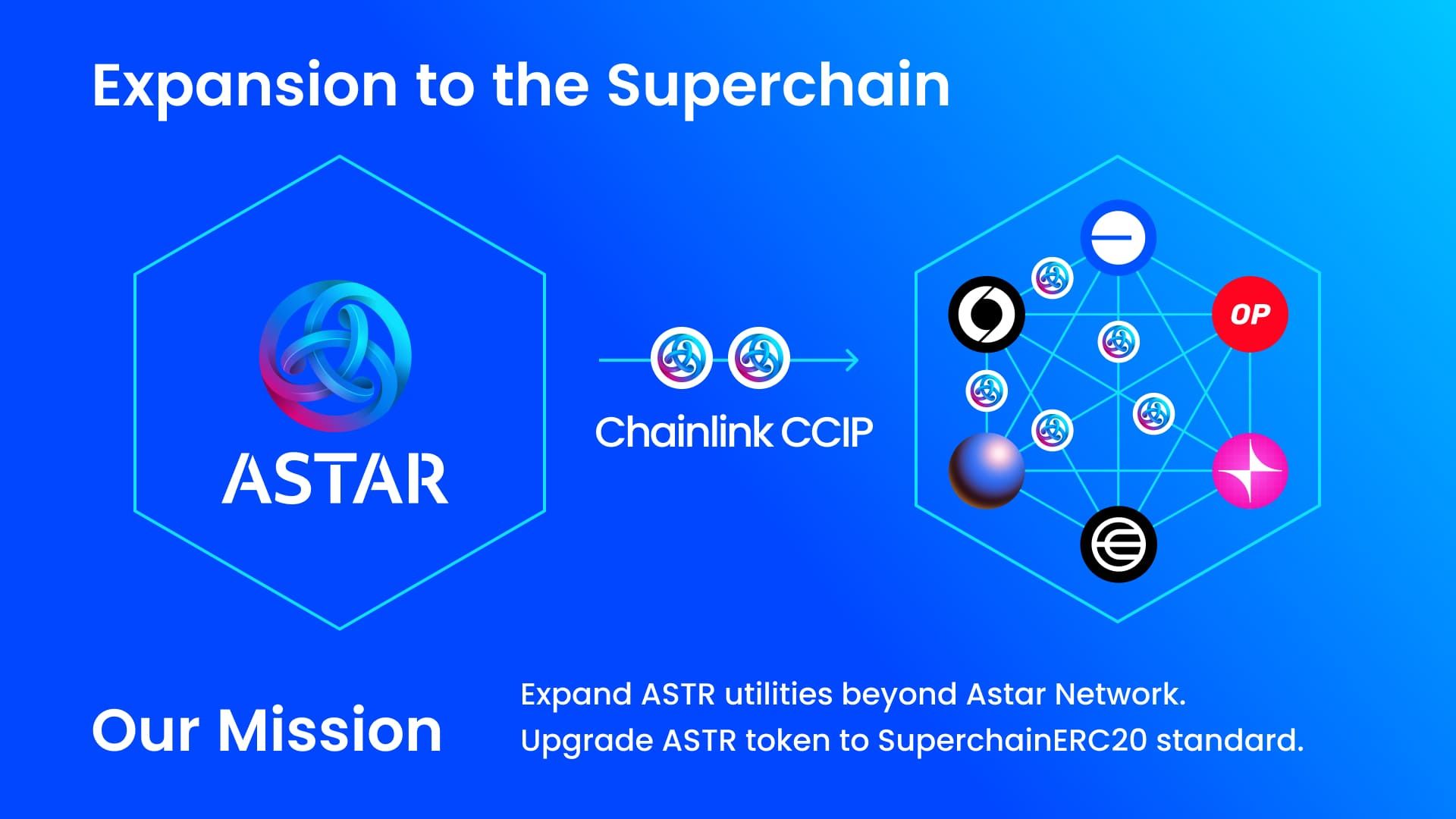
Chainlink’s Cross-Chain Token (CCT) standard is central to this shift. By standardizing how tokens behave across different chains, CCT allows assets to move seamlessly between Superchain member chains without losing their identity or requiring manual bridging. This protocol-level feature ensures that the underlying infrastructure supports the user-facing promise of seamless interoperability.
The practical impact is visible in recent implementations. For instance, the ASTR token has been integrated as a Cross-Chain Token, aligning with the Optimism ecosystem’s vision for unified asset mobility. This compatibility means that developers can build applications that rely on consistent token behavior across multiple chains, reducing the technical debt and security risks associated with custom bridge solutions.
This standardization extends beyond simple transfers. It enables a unified liquidity pool where capital can flow freely between chains, enhancing efficiency for both traders and protocols. As more chains adopt these standards, the Superchain ecosystem moves closer to a single, cohesive network where the boundaries between individual Layer 2s become invisible to the end user.
How unified liquidity changes L2 valuations
Superchain interoperability acts as a liquidity multiplier. By allowing OP Stack chains to read each other's state, it eliminates the silos that currently fragment value across the ecosystem. Instead of capital being trapped in isolated pools, unified liquidity flows freely, increasing the total addressable market for every Superchain-native protocol.
Pre-interop vs. post-interop metrics
The shift from fragmented chains to a unified network fundamentally alters the cost and depth of transactions. This comparison highlights the structural differences that drive valuation multiples.
| Metric | Pre-Interop | Post-Interop |
|---|---|---|
| Transaction Cost | High (bridge fees + gas) | Low (native messaging) |
| Liquidity Depth | Fragmented per chain | Unified across Superchain |
| User Friction | High (multi-step transfers) | Low (single sign-on) |
| Capital Efficiency | Low (idle cross-chain reserves) | High (shared liquidity pools) |
Valuation implications for OP Stack chains
As Optimism's Superchain of 29 chains unifies through a single interoperability layer, the valuation model for individual L2s shifts from isolated user counts to shared ecosystem value. Protocols that leverage this unified liquidity will command higher multiples due to reduced friction and deeper order books.
Risks in the Unified Superchain Model
The shift toward a unified superchain model promises efficiency, but it introduces concentrated points of failure. As distinct chains merge into a single interoperable ecosystem, the attack surface expands. A vulnerability in a shared messaging layer or a centralized sequencer can no longer be contained within one chain; it threatens the entire network.
Centralized Points of Failure
Many superchain designs rely on centralized operators for block production or message verification. This centralization creates a single point of failure. If the operator is compromised or goes offline, all dependent chains halt. This contradicts the decentralized ethos of blockchain and introduces operational risk that traditional distributed systems avoid.
Smart Contract Risk in Interop Contracts
New interoperability contracts are complex and untested at scale. They handle value transfers and state synchronization across chains. A bug in these contracts could lead to irreversible loss of funds. The code is new, and the threat models are still evolving. Audits are necessary but not sufficient to guarantee security in such a dynamic environment.
Regulatory Scrutiny
Regulators are watching closely. A unified superchain may be viewed as a single entity, increasing regulatory liability. Compliance requirements could become more stringent, affecting the permissionless nature of the network. Projects must navigate this landscape carefully to avoid legal challenges that could stifle innovation or lead to shutdowns.
Key Questions on Superchain Adoption
Superchain interoperability is shifting from a technical experiment to a foundational protocol layer. Understanding how these chains communicate natively helps clarify the timeline for widespread developer adoption and the security models that underpin the shift.
This approach reduces fragmentation. Developers can build once and deploy across multiple chains, while users experience a single, cohesive ecosystem rather than a collection of isolated silos.
No comments yet. Be the first to share your thoughts!