What the Superchain Thesis Actually Means
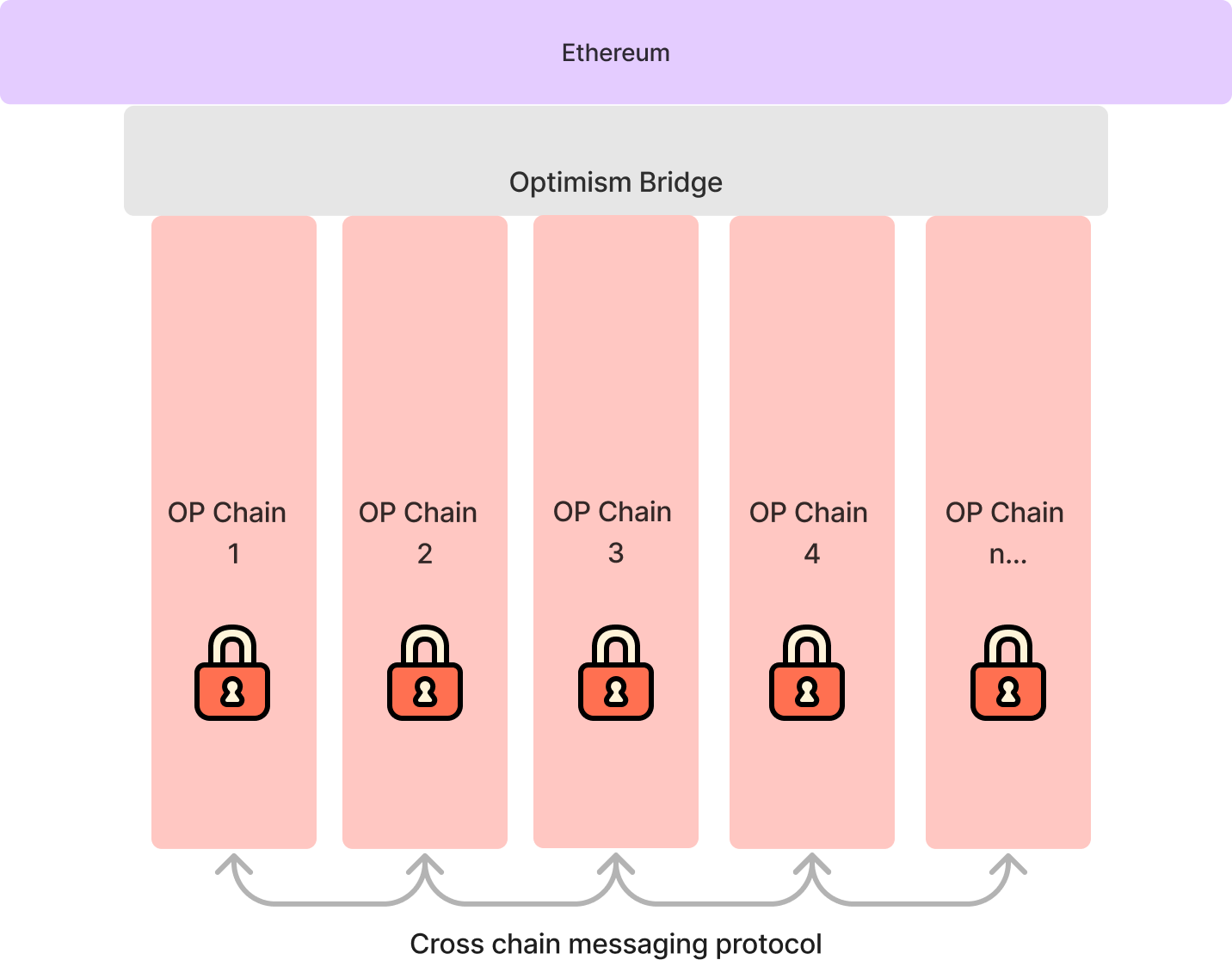
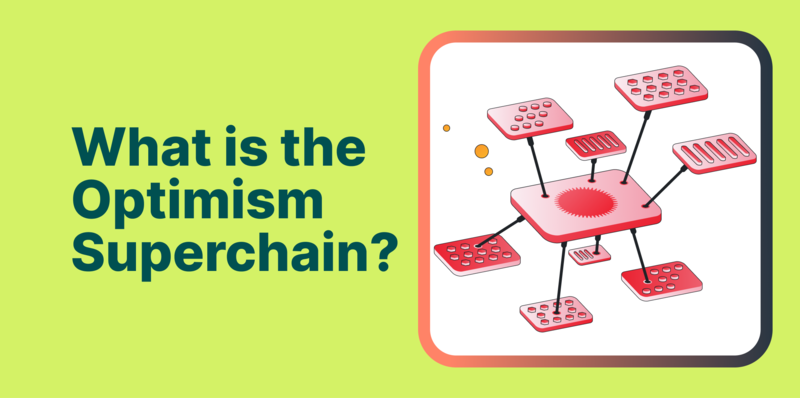
The superchain thesis defines a network of Layer 2 blockchains that share a common technical foundation, specifically the OP Stack. Instead of operating as isolated silos, these chains—such as Optimism, Base, and Zora—share bridging infrastructure, governance frameworks, and a unified communication layer. This architecture allows developers to deploy applications once and reach multiple chains with minimal friction, treating the ecosystem as a single cohesive unit rather than a fragmented collection of independent networks.
This model prioritizes composability and security over absolute decentralization. By standardizing the underlying codebase, the superchain reduces the risk of bridge exploits and simplifies user experience across different L2s. However, this centralization of the base layer means that governance and upgrade decisions are more concentrated than in traditional Ethereum Layer 2s. The tradeoff is clear: faster iteration and lower costs come at the expense of some degree of distributed control.
A common misconception is that the superchain thesis implies all L2s will merge into one monolithic chain. This is incorrect. Each L2 remains an independent execution environment with its own state and fee market. The "super" refers only to the shared settlement and messaging protocols that bind them together. This distinction is critical for understanding where value accrues and how liquidity flows between chains in the 2026 ecosystem.
Superchain thesis choices that change the plan
The superchain model bundles L2s into a shared ecosystem, but this unity comes with distinct structural compromises. Builders must weigh the benefits of standardized infrastructure against the risks of centralization and shared failure modes. Understanding these tradeoffs is essential before committing capital or code to the ecosystem.
| Factor | Benefit | Risk | Mitigation |
|---|---|---|---|
The core tension lies in the tradeoff between efficiency and sovereignty. By sharing the OP Stack, chains like Base and Optimism achieve rapid iteration and lower operational costs. However, this creates a correlated risk environment. If a critical vulnerability is found in the base stack, every dependent chain is exposed simultaneously. This contrasts with the isolation of independent L1s, where a bug affects only one network.
Governance also presents a unique challenge. The superchain thesis relies on a unified upgrade path, which requires strong coordination. Critics argue this creates a bottleneck, where a single entity or small group can delay or push changes affecting the entire ecosystem. While token-based governance aims to decentralize this, the technical complexity often concentrates power among early contributors and large stakeholders.
Ultimately, the superchain thesis is not a binary choice but a spectrum. Chains must decide how much standardization they are willing to accept in exchange for network effects. For builders seeking speed and liquidity, the tradeoffs are often worth it. For those prioritizing maximum sovereignty, the shared security model may introduce unacceptable risks.
Choose the next step
Superchain Thesis works best as a clear sequence: define the constraint, compare the realistic options, test the tradeoff, and choose the path with the fewest hidden costs. That order keeps the advice usable instead of decorative. After each step, pause long enough to check whether the recommendation still fits the reader's actual situation. If it depends on perfect timing, unusual access, or a best-case budget, include a simpler fallback.
Spotting Weak Options in the Superchain Thesis
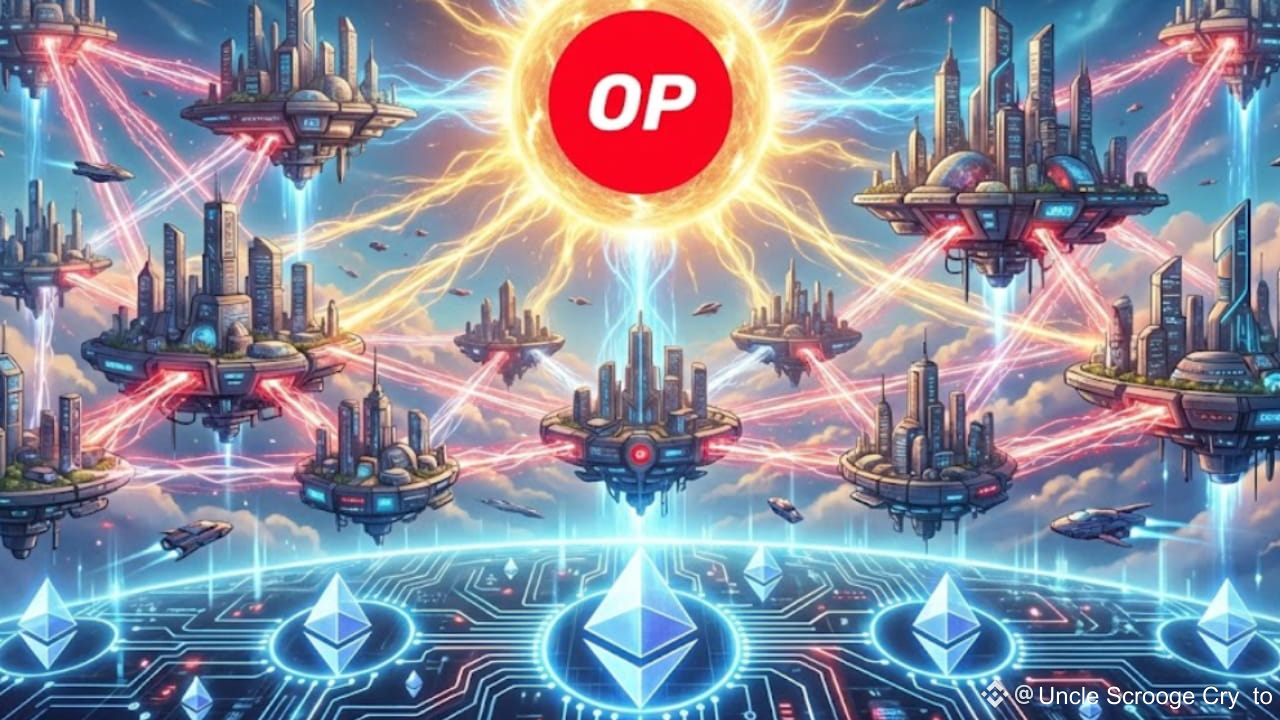
The modular L2 narrative is compelling, but not every implementation delivers on the promise of shared security and interoperability. As the ecosystem matures, distinguishing between genuine superchain architecture and superficial L2 aggregation becomes critical for developers and investors. Several projects claim "superchain" status based on loose technical definitions or marketing partnerships rather than deep protocol integration.
A common misconception is that any L2 using the OP Stack is automatically part of the superchain. This is false. The superchain thesis relies on a shared sequencer set, standardized bridging, and a unified governance layer. Projects that merely fork the codebase without adopting these shared state channels often create siloed liquidity and fragmented user experiences. This fragmentation defeats the primary utility of modularity: seamless composability across chains.
When evaluating L2s, look for concrete integration points. Do they share a common blockspace producer? Are their bridges trust-minimized and standardized? If an L2 operates in isolation with its own bridge mechanics and governance, it is likely a standalone chain masquerading as a superchain member. These weak options dilute the network effect and expose users to unnecessary bridge risks.
The market is correcting these misalignments. Projects that fail to integrate deeply into the shared infrastructure are seeing reduced developer activity and liquidity outflows. Focus on chains that demonstrate actual interoperability, not just theoretical compatibility. This pragmatic filter helps separate sustainable modular networks from speculative ventures.
Superchain thesis: what to check next
The Superchain thesis proposes a network of Layer 2 blockchains that share core infrastructure, security models, and communication layers. Rather than operating as isolated silos, these chains interact through standardized protocols like the OP Stack, enabling seamless asset transfers and shared security guarantees. This modular approach aims to solve the fragmentation and poor user experience inherent in today’s multi-chain ecosystem.
Is the Superchain just Optimism?
While Optimism pioneered the concept with its OP Stack, the Superchain is an open protocol, not a single project. The architecture allows other networks to adopt these standards, potentially integrating existing Layer 1s as L2s within the ecosystem. However, the current "Superchain" primarily refers to the tightly coupled network of OP Stack chains, where shared sequencing and governance create a unified experience distinct from independent L2s.
How do bridges work in a Superchain?
Traditional bridges often rely on complex, permissioned validators, creating security risks. In a Superchain, bridges are simplified through native token standards like the Optimism Standard Token (OFT). These contracts handle minting and burning logic directly, allowing assets to move between chains without third-party custodians. This reduces friction and minimizes the attack surface typically associated with cross-chain messaging.
What happens if one Superchain chain fails?
Security is shared but not identical across all chains. While the base layer and sequencer infrastructure are standardized, individual L2s may have different tokenomics or governance structures. A failure in one chain’s specific implementation does not necessarily compromise the entire network, but shared components like the messaging layer can create systemic dependencies. Users must assess the specific risk profile of each L2 within the Superchain.
Can I use any wallet with Superchain apps?
Yes, because the Superchain uses the EVM (Ethereum Virtual Machine), any Ethereum-compatible wallet works. This includes MetaMask, Rabby, and WalletConnect-enabled apps. The shared standardization means developers can build once and deploy across multiple chains, while users enjoy a consistent interface and transaction history across the entire network.
No comments yet. Be the first to share your thoughts!