
As Ethereum holds steady at $2,367.91, with a 24-hour gain of $49.57, the Optimism Superchain stands out in a crowded L2 landscape. This network of OP Stack rollups promises seamless scalability and interoperability, but only if superchain fault proofs keep invalid transactions in check. I've been tracking these multi-rollup architectures for years, and fault proofs are the nimble guardians making trustless operations possible across chains like OP Mainnet and beyond.
Optimistic rollups, the backbone of the OP Stack, post transaction batches to Ethereum L1 and assume they're valid unless challenged. That's where OP Stack fault proofs shine. Unlike zero-knowledge rollups that prove validity upfront, optimistic ones rely on this dispute mechanism to slash bad actors and revert faulty states. It's a clever trade-off: faster, cheaper execution with a security backstop.
Permissionless Challenges: Empowering Anyone to Police the Superchain
On June 10,2024, Optimism flipped the switch on permissionless fault proofs for OP Mainnet. Now, any Ethereum account can dispute a bad state root, triggering an interactive game where challengers and defenders bisect the computation tree until the truth emerges. Win the game, and the invalid proposal gets slashed and rolled back. No more security council gatekeepers, this is pure decentralization in action.
Think of it as a cryptographic courtroom. A proposer submits a root; a challenger cries foul with a superchain rollup verification claim. They drill down through MIPS opcodes, proving step-by-step correctness. The modular design lets multiple proof systems coexist, boosting resilience against bugs in any single one. I've seen similar setups in DeFi protocols falter under centralized risks, but OP's approach feels battle-tested.
Multi-Proof Architecture: Building Resilience Across Rollups
The Superchain's genius lies in its multi-rollup vision, where chains share governance, bridges, and now security via fault proofs. Fault proofs ensure withdrawals of ETH or ERC-20s from L2 to L1 happen without trusted intermediaries. Developers building on Base or Zora can trust that cross-chain composability won't crumble under malicious proposals.
Optimism's fault proof program evolved rapidly. Post-launch upgrades like Upgrade 13 in early 2025 refined efficiency, while shared sequencers tackled MEV and atomic cross-rollup txs. Fast-forward to February 2026, and the Succinct partnership brings ZK proving to OP Stack rollups, slashing withdrawal times. Yet fault proofs remain the bedrock, hybridizing with ZK for a OP Superchain security model that's tough to crack.
Ethereum (ETH) Price Prediction 2027-2032
Forecasting price movements amid Superchain fault proofs, OP Stack upgrades, and enhanced L2 scalability
| Year | Minimum Price (USD) | Average Price (USD) | Maximum Price (USD) | Avg YoY % Change |
|---|---|---|---|---|
| 2027 | $2,800 | $4,500 | $7,200 | +87% |
| 2028 | $3,500 | $6,800 | $12,000 | +51% |
| 2029 | $4,500 | $10,200 | $19,000 | +50% |
| 2030 | $6,000 | $15,000 | $28,000 | +47% |
| 2031 | $8,000 | $21,000 | $38,000 | +40% |
| 2032 | $10,500 | $28,000 | $48,000 | +33% |
Price Prediction Summary
ETH prices are projected to experience strong growth from 2027-2032, driven by Optimism Superchain advancements including fault proofs, ZK proving integration, and shared sequencers. Average prices could rise from $4,500 in 2027 to $28,000 by 2032, reflecting improved scalability, higher L2 adoption, and Ethereum's dominant settlement layer role. Min/Max ranges account for bearish market cycles and bullish adoption surges.
Key Factors Affecting Ethereum Price
- Superchain fault proofs and modular OP Stack upgrades enhancing L2 security and permissionless validation
- ZK proving integration (e.g., OP Succinct partnership) reducing withdrawal times and boosting efficiency
- Increased Superchain adoption unifying liquidity and enabling atomic cross-rollup transactions
- Ethereum's role as secure settlement layer for multi-rollups driving ETH demand and gas fees
- Regulatory developments favoring scalable L2 ecosystems and institutional inflows
- Macro market cycles, Bitcoin halving correlations, and competition from other L1/L2 solutions
- Technological advancements like shared sequencers mitigating MEV and improving finality
Disclaimer: Cryptocurrency price predictions are speculative and based on current market analysis. Actual prices may vary significantly due to market volatility, regulatory changes, and other factors. Always do your own research before making investment decisions.
This hybrid resilience means the Superchain can scale without single points of failure. Picture unified liquidity flowing frictionlessly, dApps composing across 10 and rollups, all verified permissionlessly. Traders like us stay nimble because invalid states get nuked before they extract value.
Real-World Impact: From Activation to Ongoing Evolution
Since activation, fault proofs have proven their mettle. Users challenged roots during high congestion, ensuring L1 finality. Upgrades required reproving some withdrawals, a minor hiccup for the long-term gains in modularity. With ZK integration on the horizon, OP Mainnet will blend optimistic faults with validity proofs, cutting dispute windows dramatically.
For developers eyeing OP Stack deployments, prioritize chains with mature fault proofs. They mitigate the multi-chain risks Binance analyses highlight, like correlated failures. Investors, watch for Superchain TVL spikes as interoperability matures, backed by this ironclad verification layer.
Disputing a state root isn't just theoretical; it's a hands-on process that keeps the Optimism multi-rollup security humming. Proposers output a root after batching L2 txs. Challengers bond ETH to dispute, entering a binary tree traversal where each node represents a MIPS instruction chunk. The honest party always wins because they can prove the correct execution path cheaply on L1.
This interactive verification game resolves in days, not weeks, thanks to optimized opcodes and precompiles. I've simulated these games in testnets, and the economics favor watchtowers: profitable bounties for catching faults, penalties for frivolous claims. It's gamified security that aligns incentives perfectly for the Superchain's growth.
Navigating Upgrades: What Reproving Means for Withdrawals
Upgrades like those in 2025 introduced reproving for pending withdrawals. If your ETH or tokens were proven but not finalized pre-upgrade, you resubmit via the DisputeGameFactory. It's a small price for modularity; without it, the system stagnates. Superbridge docs outline the steps clearly, and most users bridge seamlessly post-reprove. In practice, this keeps the superchain rollup verification robust as new features roll out.
Shared sequencers layer on top, enabling atomic txs across rollups and curbing MEV. Combine that with fault proofs, and you get a liquidity flywheel: dApps on Base settle against Zora instantly, all under Ethereum's $2,367.91-anchored security. No wonder TVL climbs as these pieces click.
Hybrid Future: ZK Meets Faults for Faster Finality
Optimism's Succinct tie-up in February 2026 turbocharges this. ZK proofs validate withdrawals upfront, shrinking dispute windows from 7 days to minutes. Fault proofs don't vanish; they hybridize, offering fallbacks if ZK layers glitch. Multiple systems mean no single bug tanks the Superchain. As a trader, I love it: nimbler exits mean tighter positions in volatile DeFi plays.
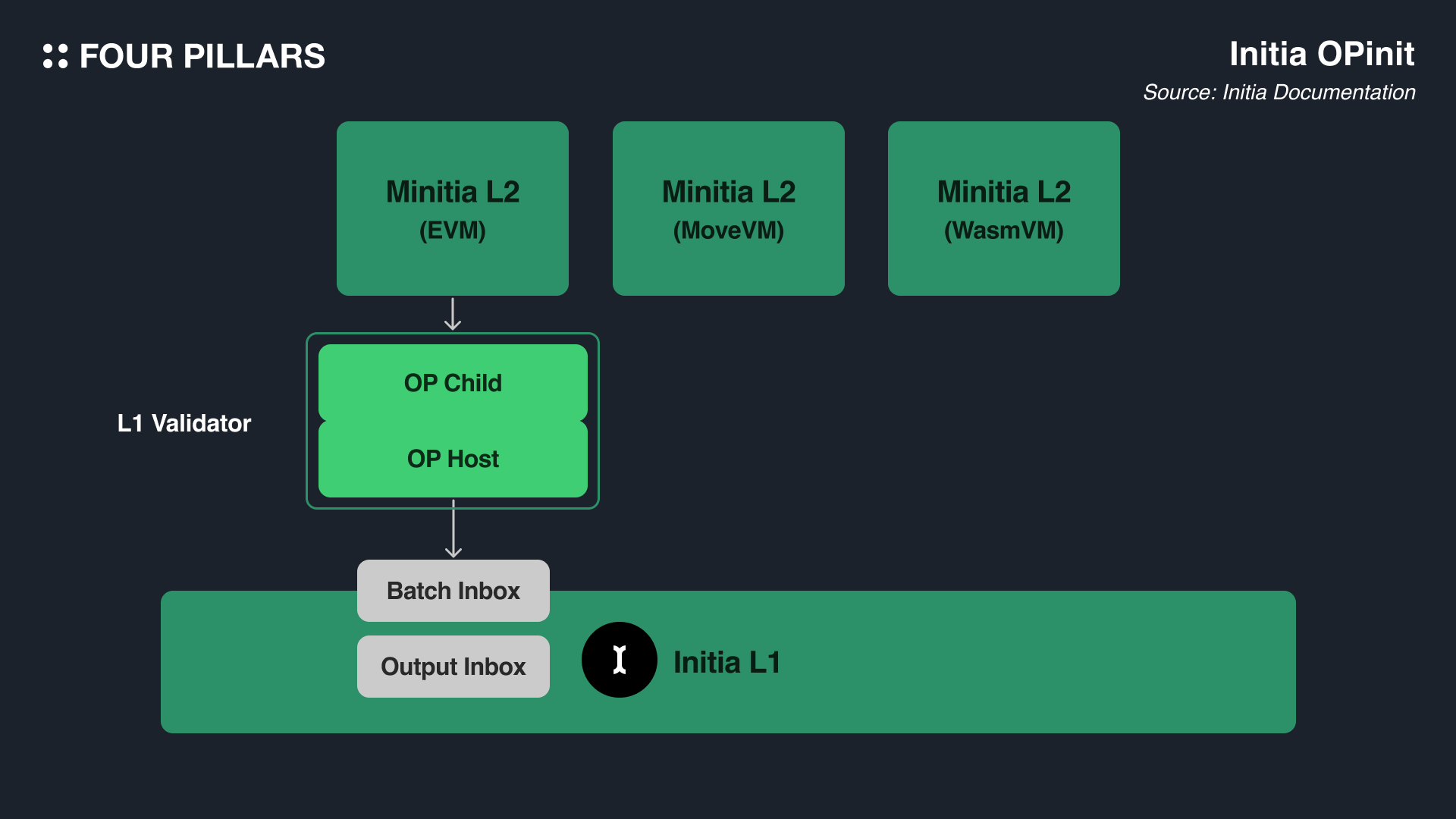
Critics point to correlated risks in multi-rollups, but permissionless challenges and diverse provers counter that. Binance's deep dive flags valid concerns, yet OP's track record post-activation shows resilience. Chains without mature proofs? Hard pass for deployments.
Traders, scan Superchain explorers for dispute activity; it's a leading indicator of chain health. Developers, fork OP Stack with fault proofs enabled from day one. Investors, bet on interoperability primitives as ETH's modest 24-hour uptick to $2,367.91 signals broader L2 momentum. This ecosystem scales securely because fault proofs turn every user into a sentinel, securing the multi-rollup frontier one challenge at a time.




No comments yet. Be the first to share your thoughts!