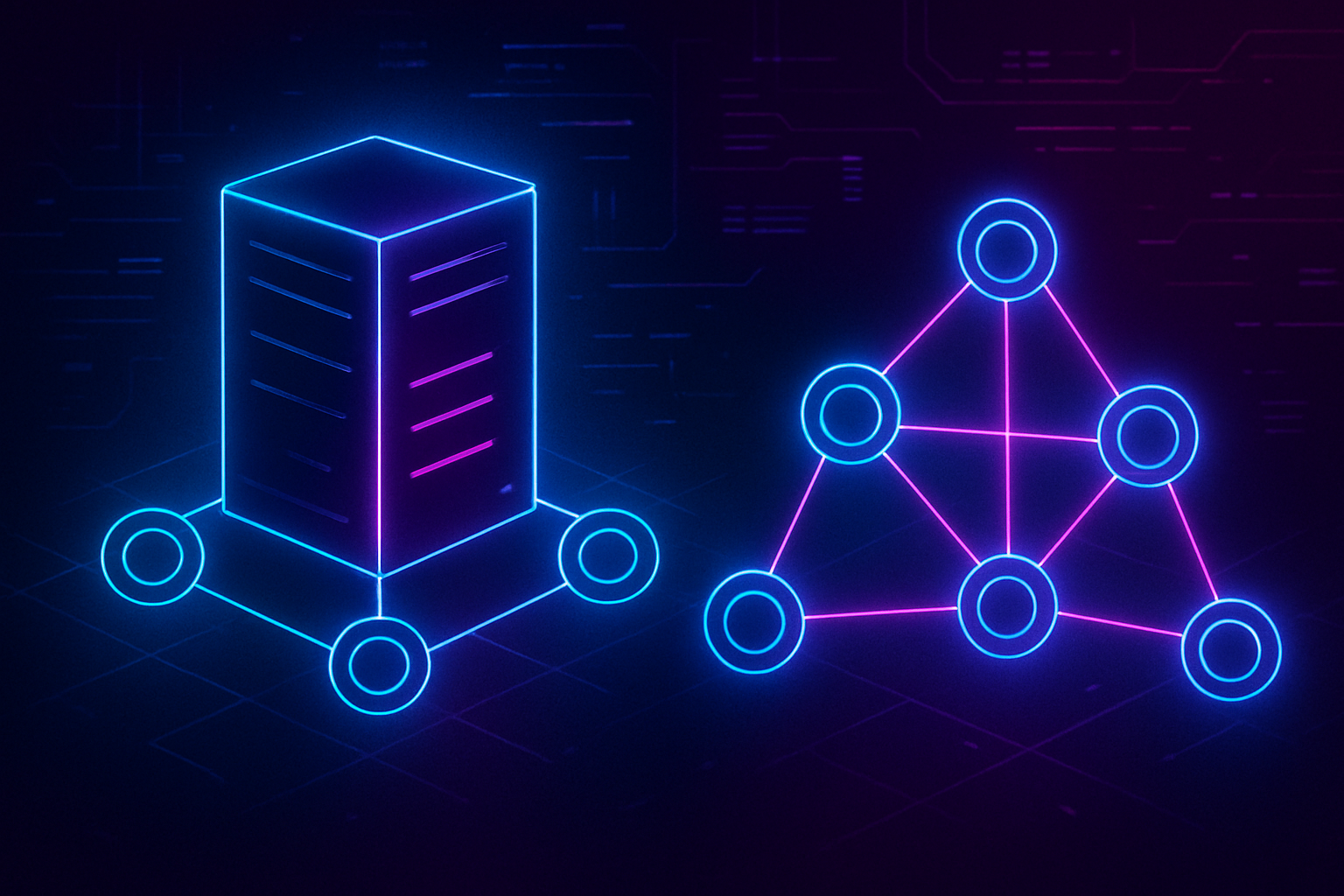
In the fast-evolving world of Ethereum rollups, sequencer design has become a battleground for performance, security, and decentralization. Whether you’re a developer eyeing the next big L2 launch or an investor tracking the future of GOATRollup, understanding how centralized and decentralized sequencers shape transaction flows is critical. Let’s dive into what sets these models apart, and why the debate is heating up as rollups mature.
The Heartbeat of Rollups: What Is a Sequencer?
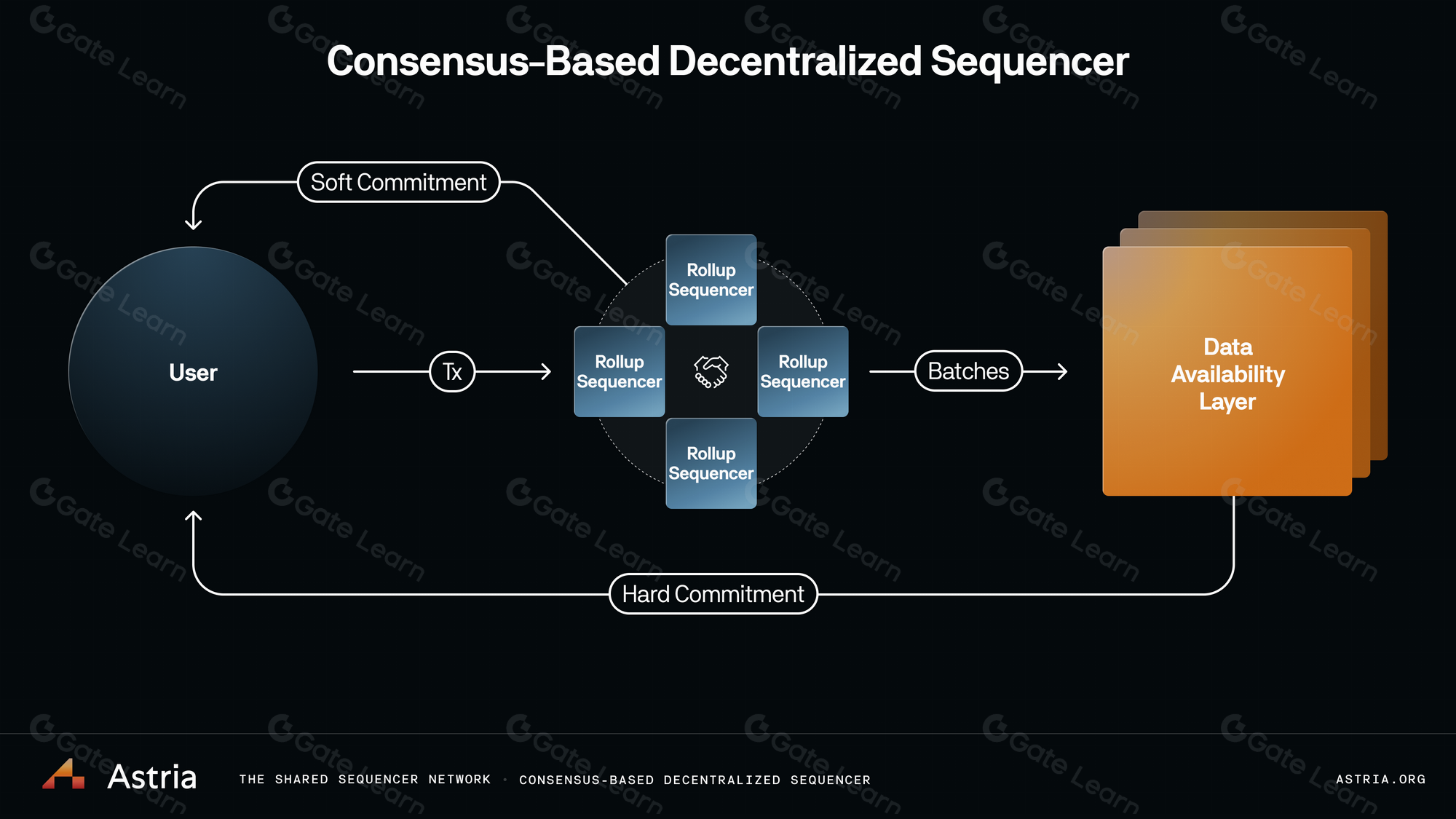
At its core, a sequencer is the entity responsible for ordering and batching transactions before they’re committed to Layer 1. Picture it as the conductor in a blockchain orchestra, deciding which notes (transactions) play when, ensuring harmony and speed. But who gets to wield the baton? That’s where sequencer design splits: centralized versus decentralized models.
Centralized Sequencers: Speed Demons with Hidden Risks
Centralized sequencers, operated by a single entity or organization, are currently the industry default for most major rollups. Their appeal is clear:
- Lightning-fast confirmations: With one party in charge, transactions zip through with minimal latency, crucial for user experience and DeFi traders.
- Simplicity: The technical overhead is lower, making them easier to build and maintain. This allows projects to ship faster and iterate quickly.
But this streamlined approach comes with trade-offs that can’t be ignored:
- Single Point of Failure: If the sequencer goes offline or gets compromised, transaction processing halts entirely. As Jarrod Watts points out, "If a centralized sequencer goes down, the rollup effectively stops doing its job entirely. " (source)
- Censorship and Monopoly Risk: The operator can choose which transactions to include, or exclude, undermining blockchain’s promise of neutrality. Monopoly pricing becomes possible when one party controls inclusion.
- User Trust Issues: Users must trust that the operator won’t act maliciously or succumb to external pressure.
This tension between performance and trust has sparked heated debates across crypto Twitter:
The Rise of Decentralized Sequencers: Towards Resilient Rollup Security
The alternative? Decentralized sequencers. Here, multiple independent nodes share responsibility for ordering transactions, distributing power and reducing risk. The benefits are compelling:
- No Single Point of Failure: If one node drops out, others pick up the slack, keeping transaction flow alive even during outages.
- Censorship Resistance: No single actor can block transactions; consensus among nodes ensures fair inclusion.
- Tighter Economic Alignment with L1: Some designs (like based rollups) let Ethereum validators handle sequencing duties, maximizing decentralization and aligning incentives (see Taiko docs).
This isn’t just theory, the push for decentralization is accelerating as more projects experiment with shared sequencing layers like EspressoSys and new consensus mechanisms.
A Visual Comparison: Key Trade-Offs at a Glance
Feature-by-Feature Comparison: Centralized vs. Decentralized Sequencer Models in Rollups
| Feature | Centralized Sequencer | Decentralized Sequencer |
|---|---|---|
| Performance | High 🚀 | Potentially Lower |
| Liveness (Uptime) | Lower (Single Point of Failure) | Higher (Redundant Nodes) |
| Censorship Resistance | Lower (Operator Can Censor) | Higher (Consensus Among Nodes) |
| Implementation Complexity | Lower (Simpler Design) | Higher (Requires Consensus Mechanism) |
| Economic Alignment with L1 | Lower (Operator Controlled) | Higher (Aligned with L1 Validators) |
| Monopoly/Control Risks | High (Monopoly Pricing Possible) | Low (Distributed Control) |
The reality? There’s no perfect solution yet. While decentralized models promise better liveness and censorship resistance, they introduce new technical complexity, and sometimes slower confirmations due to consensus overhead. As LimeChain notes, "Most of the big names in the rollup space today are running centralized sequencers, but decentralized sequencers are actively being explored. " The race is on to close this gap without compromising on user experience or security guarantees.
Against this backdrop, the evolution of sequencer design is anything but static. Projects like GOATRollup and EspressoSys are challenging the status quo by piloting hybrid models and modular sequencing layers, aiming to blend the best of both worlds. The goal: achieve the performance of centralized systems without sacrificing the censorship resistance and liveness that decentralized sequencers promise.
One particularly exciting approach is the introduction of shared sequencing networks, where multiple rollups can tap into a common pool of decentralized sequencers. This not only increases resilience but also creates new economic incentives for honest participation and cross-rollup interoperability. As we’ve seen with EspressoSys, these shared layers could become foundational infrastructure for the entire superchain era.
What’s Next? The Roadmap to Decentralization
The path forward isn’t just technical, it’s social and economic too. Decentralizing sequencers requires robust coordination among node operators, thoughtful incentive design, and transparent governance models. There’s also a need for user education: as more rollups transition away from single-operator systems, users will need to understand new trust assumptions and potential trade-offs in transaction speed or cost.
For developers building on top of OP Stack or evaluating where to deploy their next dApp, these choices matter deeply. Should you optimize for raw throughput today or future-proof your protocol with stronger guarantees against censorship and downtime? The answer may depend on your project’s risk appetite, community values, and target user base.
The industry consensus is shifting: while centralized sequencers have delivered rapid innovation so far, they’re increasingly seen as a stepping stone rather than an endpoint. As Rise Labs notes, “the future of rollups lies in robust decentralization, without compromising on usability. ”
FAQ: Sequencer Design in Rollups
If you’re tracking market sentiment or planning your next move as an investor or builder, keep a close eye on this space. Sequencer design isn’t just an implementation detail, it’s quickly becoming one of the defining battlegrounds for blockchain security, scalability, and neutrality in 2025.




No comments yet. Be the first to share your thoughts!