Defining the superchain thesis 2026
Use this section to make the Superchain Thesis decision easier to compare in real life, not just on paper. Start with the reader's actual constraint, then separate must-have requirements from details that are merely nice to have. A practical choice should survive normal use, maintenance, timing, and budget. If a recommendation only works in an ideal situation, call that out plainly and give the reader a fallback path.
The simplest way to use this section is to write down the must-have criteria first, then compare each option against those criteria before weighing nice-to-have features.
Shared Sequencers and Standard Contracts
The superchain architecture eliminates the fragmentation costs that typically plague modular scaling. By decoupling execution from settlement, Optimism’s OP Stack enables multiple Layer 2 networks to operate as a unified cluster rather than isolated silos. This design allows each chain to maintain its own execution environment while relying on shared infrastructure for sequencing and data availability.
At the core of this interoperability is the shared sequencer. Instead of each L2 managing its own transaction ordering, a single sequencer network processes transactions across the entire superchain. This reduces latency and ensures that state transitions are consistent across all connected chains. The sequencer bundles these transactions into batches and posts them to the base layer, where they are verified and settled by standard rollup contracts.
These contracts are standardized across the ecosystem, meaning any chain built on the OP Stack inherits the same security guarantees and composability rules. This uniformity allows assets and data to move seamlessly between chains without complex bridging mechanisms. The result is a scaling solution that prioritizes user experience and developer efficiency over isolated performance metrics.
Comparing Top Modular L2 Candidates
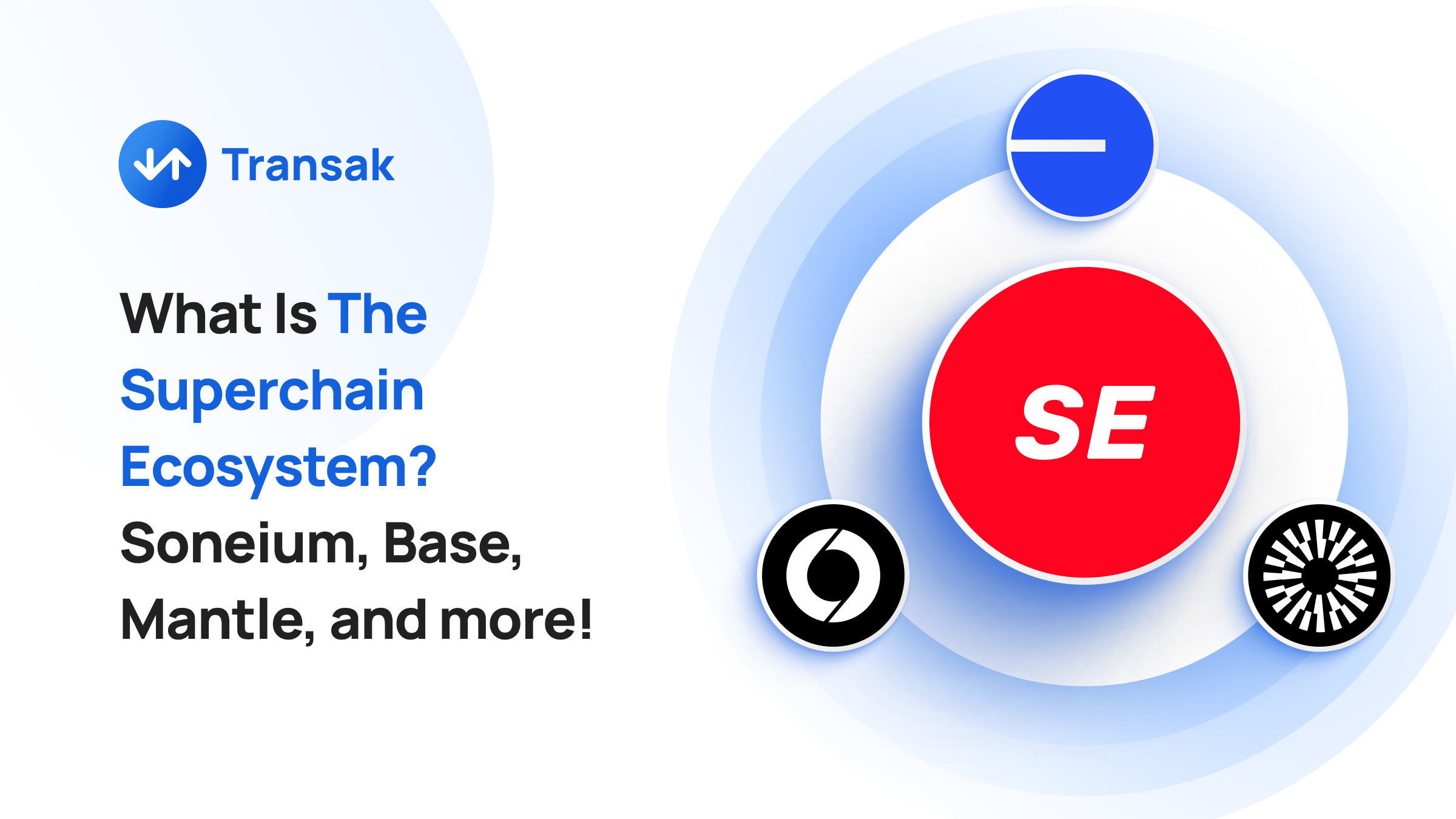
Evaluating the modular scaling landscape requires looking beyond marketing narratives to on-chain fundamentals. The superchain thesis relies on a hierarchy of execution layers that share security assumptions while competing for liquidity. In 2026, the divergence between established incumbents and emerging challengers has sharpened, forcing investors to distinguish between genuine network effects and isolated liquidity pools. The following analysis contrasts the primary contenders: Optimism, Base, and Arbitrum, alongside emerging modular players like Blast and Mode.
The choice of L2 is no longer binary; it is a portfolio decision based on risk tolerance and yield strategy. Optimism and Base dominate the OP Stack ecosystem, leveraging shared sequencer infrastructure to reduce costs. Arbitrum maintains a distinct technical path with its Nitro stack, prioritizing high-throughput execution and complex smart contracts. Meanwhile, newer entrants like Blast and Mode are experimenting with native yield and modular composability, attempting to solve the liquidity fragmentation problem that plagues the broader ecosystem.
The table below provides a side-by-side comparison of these key players, focusing on Total Value Locked (TVL), daily transaction volume, and their respective stack architectures. These metrics serve as the primary indicators of network health and user adoption in a market where capital efficiency is paramount.
| Layer 2 | Architecture | TVL (USD) | Daily Transactions | Differentiator |
|---|---|---|---|---|
| Optimism | OP Stack | $2.8B | 1.2M | Shared sequencer network & Bedrock upgrade |
| Base | OP Stack | $2.1B | 1.5M | Coinbase integration & high retail velocity |
| Arbitrum | Nitro | $3.5B | 800K | DeFi dominance & complex smart contracts |
| Blast | Blast Stack | $1.2B | 300K | Native yield on L2 assets |
| Mode | OP Stack | $450M | 150K | Modular data availability & L3 focus |
Cross-chain liquidity and user experience
The superchain thesis addresses the fragmentation that has historically plagued Ethereum scaling. By treating Layer 2s as a unified network rather than isolated silos, it enables native account abstraction and unified liquidity pools. This architecture allows users to interact with multiple chains as if they were a single, cohesive environment, eliminating the friction of manual bridging and disparate wallet interfaces.
Liquidity fragmentation has long been a barrier to adoption. Users typically face high gas costs and delayed transactions when moving assets between independent Layer 2s. The superchain model solves this by standardizing the sequencer and block producer roles, allowing for instant, trust-minimized communication between chains. This creates a shared state where liquidity is not trapped in isolated pools but flows freely across the ecosystem.
This structural shift transforms how capital moves through the network. Instead of relying on third-party bridges that introduce security risks and latency, the superchain uses a shared security model. This ensures that liquidity remains deep and accessible, reducing slippage for traders and improving yields for liquidity providers. The result is a more efficient market where capital allocation is driven by utility rather than technical friction.
No comments yet. Be the first to share your thoughts!