Superchain thesis 2026 limits to account for
Use this section to make the The Superchain Thesis decision easier to compare in real life, not just on paper. Start with the reader's actual constraint, then separate must-have requirements from details that are merely nice to have. A practical choice should survive normal use, maintenance, timing, and budget. If a recommendation only works in an ideal situation, call that out plainly and give the reader a fallback path.
The simplest way to use this section is to write down the must-have criteria first, then compare each option against those criteria before weighing nice-to-have features.
The 2026 superchain choices that change the plan
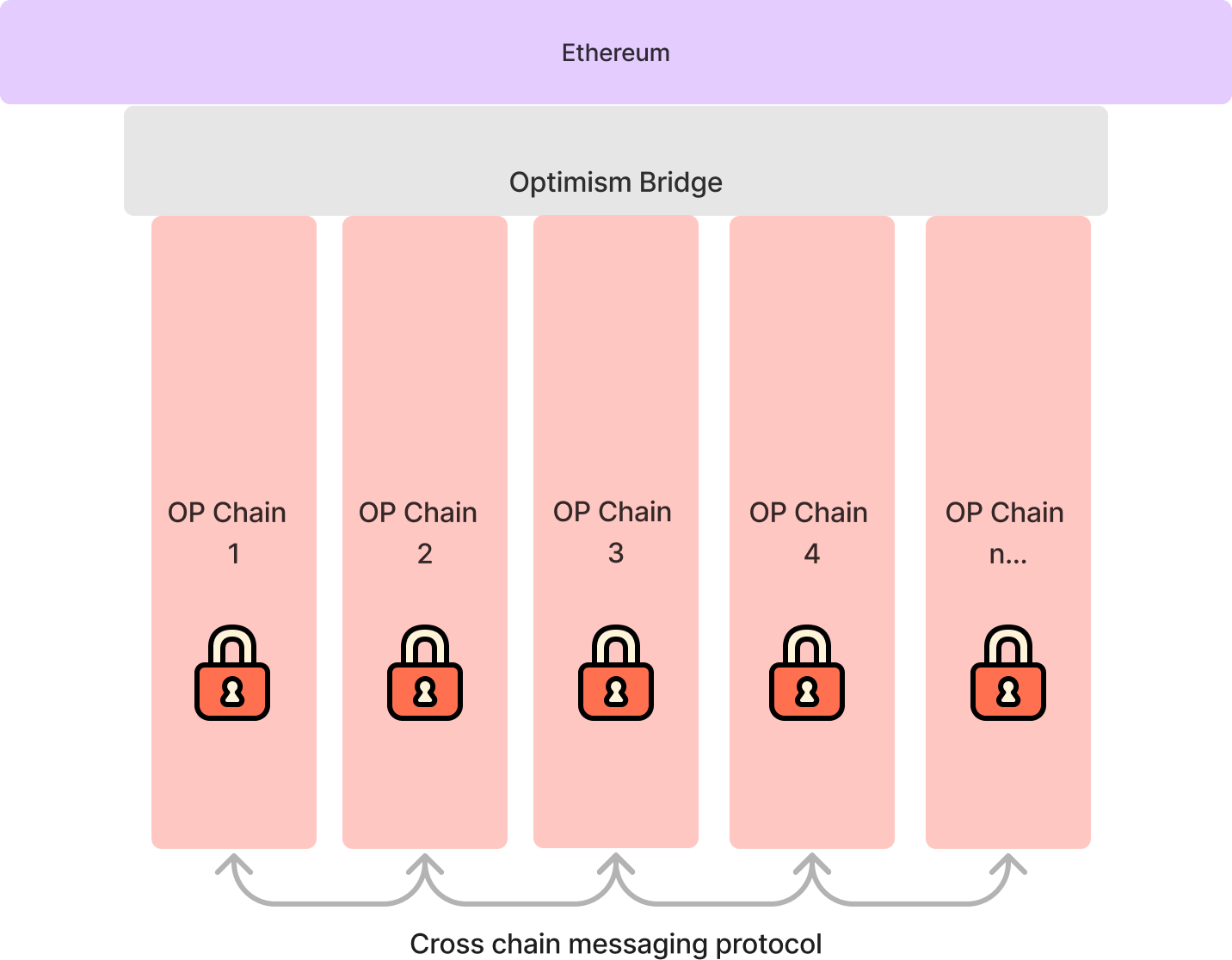
The modular L2 narrative has shifted from theoretical scalability to concrete liquidity mechanics. As the ecosystem matures, the "superchain" model—exemplified by OP Stack and its derivatives—faces real friction. The central tension is no longer just about gas fees, but about security assumptions, sovereign control, and the fragmentation of liquidity across interconnected chains.
When evaluating modular L2s in 2026, you must weigh the benefits of shared security against the risks of centralized sequencer reliance. Base’s strategic divergence in early 2026, including its departure from Optimism’s standard OP Stack roadmap to focus on tokenized markets, illustrates that no single superchain model fits all use cases. Investors and developers should assess each chain based on its specific governance structure and economic incentives rather than assuming uniformity across the stack.
Key Evaluation Factors
Security vs. Sovereignty Modular L2s inherit Ethereum’s security post-optimistic fraud proofs, but they often rely on centralized sequencers for ordering. This creates a tradeoff: faster finality and lower costs come at the expense of censorship resistance. Chains that transition to decentralized sequencer sets reduce this risk but may sacrifice performance. Evaluate whether the L2’s roadmap includes a clear path to decentralization or if it remains dependent on a single operator.
Liquidity Fragmentation The superchain thesis promises unified liquidity, yet in practice, liquidity is often siloed within individual L2s. Cross-chain bridges remain a primary attack vector, and fragmented order books can lead to poor slippage for users. Look for L2s that prioritize native interoperability protocols or deep integration with major DEX aggregators to ensure that liquidity is accessible, not just abundant.
Economic Alignment Tokenomics vary significantly. Some L2s use their native tokens for gas, while others use ETH. This affects how value accrues to the protocol and its stakeholders. Chains that tie token utility to governance or revenue sharing may offer better long-term alignment, but they also introduce additional volatility. Analyze the token’s emission schedule and utility to determine if it serves as a genuine stake in the network’s success or merely a speculative vehicle.
| Factor | Benefit | Risk |
|---|---|---|
| Shared Security | Inherits Ethereum’s robust security model | Dependence on L1 finality and fraud proof windows |
| Modular Design | High throughput and lower transaction costs | Complexity in cross-chain messaging and bridge security |
| Sovereign Sequencing | Customizable transaction ordering and MEV strategies | Potential for censorship and centralization points |
| Unified Liquidity | Seamless user experience across interconnected chains | Fragmentation if interoperability protocols fail |
The market’s reaction to these tradeoffs will define the next cycle. While Ethereum’s price remains a key indicator of broader market sentiment, the success of modular L2s depends on their ability to solve the liquidity fragmentation problem. As we move through 2026, expect to see more chains differentiate themselves not just on speed, but on how they handle security, governance, and user experience. The superchain thesis is not dead, but it is evolving into a more nuanced landscape where tradeoffs are explicit and measurable.
Choose the next step
The Superchain Thesis works best as a clear sequence: define the constraint, compare the realistic options, test the tradeoff, and choose the path with the fewest hidden costs. That order keeps the advice usable instead of decorative. After each step, pause long enough to check whether the recommendation still fits the reader's actual situation. If it depends on perfect timing, unusual access, or a best-case budget, include a simpler fallback.

Spotting Weak Superchain Claims
The modular L2 narrative is powerful, but it attracts speculative marketing. Before committing capital or building infrastructure, you must separate the technical reality of the OP Stack from the hype surrounding the "Superchain" label. Many projects claim interoperability without demonstrating actual liquidity or security guarantees.
The security choices that change the plan
Modular designs shift trust assumptions. While L2s inherit Ethereum's security, the bridging process introduces vulnerabilities. A common mistake is assuming that all L2s share the same fault-proof mechanisms. Some rely on optimistic rollups with long dispute windows, while others use ZK proofs. Verify the specific validity proof system before assuming seamless security.
Liquidity Fragmentation
Not all "superchain" ecosystems have deep liquidity. Many projects launch with thin order books or limited TVL. Check the actual volume on Uniswap or other DEXs rather than relying on aggregate TVL metrics, which can be inflated by locked or stale assets. True liquidity depth is a better indicator of network health than total value locked.
Interoperability Myths
Cross-chain messaging is often overstated. Many bridges are centralized or rely on multi-sig wallets with slow update cycles. Look for protocols using verified, open-source messaging layers like LayerZero or native OP Stack interop. Avoid projects that promise instant, trustless cross-chain swaps without transparent audit trails.
Conclusion
Focus on projects with transparent audits, real volume, and robust security models. The Superchain thesis is valid, but only for the subset of L2s that deliver on technical promises rather than marketing slogans.
Superchain thesis 2026: what to check next
The modular Ethereum landscape is shifting fast. As Base and other chains experiment with independent sequencers and tokenomics, the original "one stack to rule them all" narrative is facing real-world friction. Here are the practical answers to the questions readers ask most before committing capital or developer time.
No comments yet. Be the first to share your thoughts!