The 2026 superchain landscape
The original superchain thesis envisioned a unified ecosystem where modular Layer 2s shared security and liquidity as a single, cohesive network. In 2026, that vision has fractured. Instead of a single integrated rail, the market has splintered into competing modular stacks, each optimizing for specific verticals rather than universal interoperability.
Liquidity, once the primary metric of success, is now deeply fragmented. Capital flows are no longer distributed evenly across the ecosystem but are concentrated within siloed chains that prioritize their own internal economies. This shift has forced builders to navigate a complex web of bridges and cross-chain messaging protocols, increasing friction and risk for end users.
The result is a market environment where Ethereum’s base layer serves as the settlement anchor, but the execution layer is defined by competition rather than cooperation. This fragmentation challenges the early promise of seamless scalability, replacing it with a more realistic, albeit less elegant, multi-chain reality.
OP Stack Adoption and Chain Differentiation
The initial wave of optimism around the OP Stack has given way to a more rigorous market reality. As the tooling becomes commoditized, the barrier to entry for launching a Layer 2 has dropped significantly. However, this accessibility has created a crowded marketplace where generic deployments struggle to capture attention. In 2026, the pace of L2 launches has slowed compared to the frenetic activity of 2024, forcing new entrants to articulate a clearer differentiation thesis to attract liquidity and users.
This shift is evident in the strategies of newer chains like World Chain, Mode, and Blast. Rather than competing solely on transaction costs or raw throughput, these networks are differentiating through unique economic models, sequencer decentralization structures, and specialized bridging mechanisms. The goal is no longer just to be an Ethereum rollup, but to solve specific fragmentation or incentive problems that earlier iterations ignored.
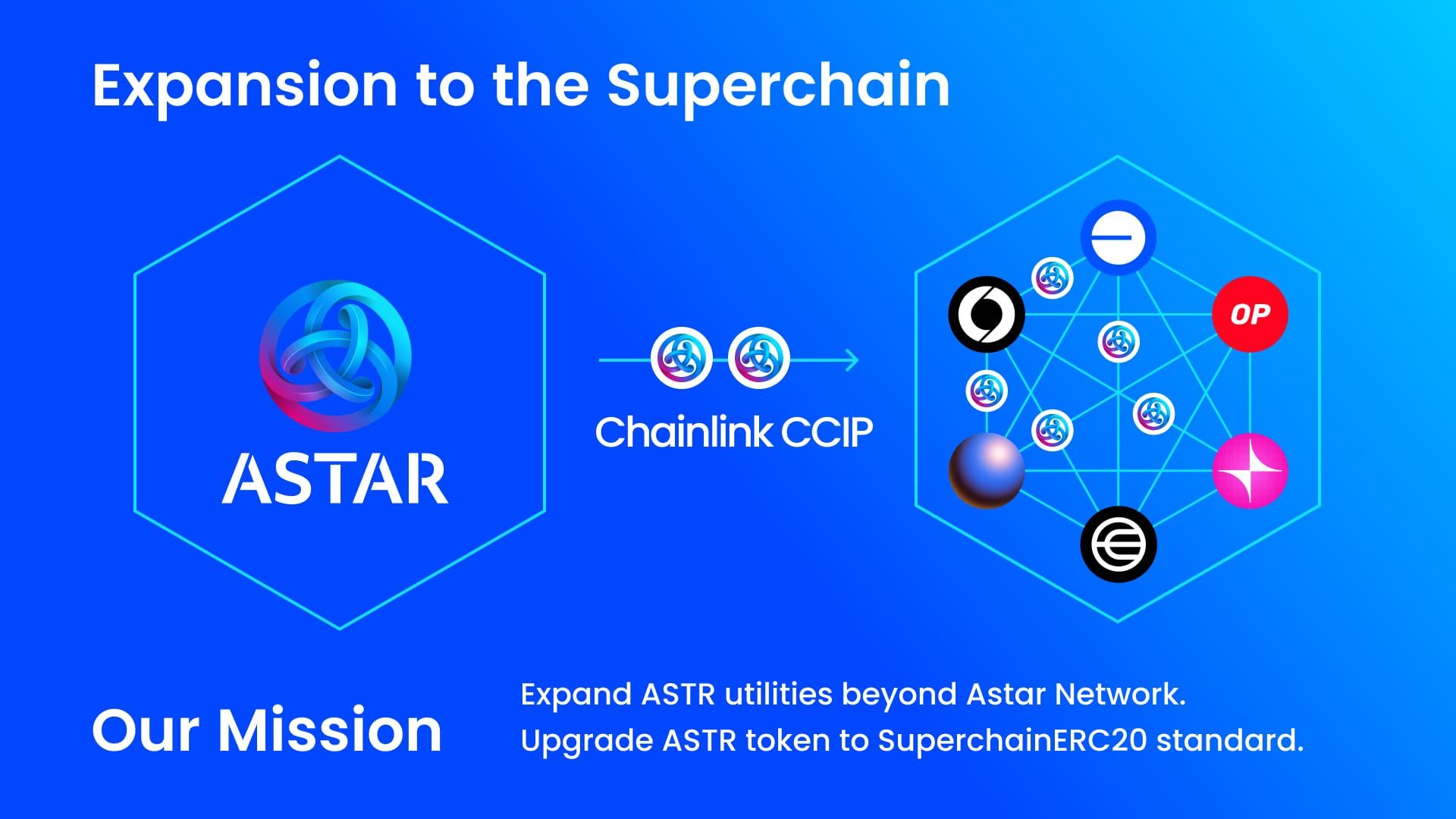
The following comparison highlights the structural differences between these emerging chains. These distinctions are critical for institutional allocators and developers evaluating where to deploy capital and infrastructure.
| Chain | Sequencer Model | Bridging Mechanism | Focus | Value Proposition |
|---|---|---|---|---|
| World Chain | Decentralized Network | Native ERC-7802 | Interoperability | Seamless cross-chain asset movement without wrapped tokens |
| Mode | Single Entity (Optimism) | Standard L1-L2 | Developer Incentives | Revenue sharing model to subsidize developer onboarding |
| Blast | Single Entity (Optimism) | Native Yield Layer | Liquidity Incentives | Built-in yield for ETH and stablecoins to attract deposits |
Solving liquidity fragmentation
Liquidity fragmentation is the structural tax of the modular L2 era. When capital is sliced across dozens of chains, each with its own order books and AMM pools, the cost of execution rises and the depth of the market falls. A trader swapping ETH on Base faces slippage that would be negligible on Ethereum Mainnet, simply because the available liquidity is thinner. This fragmentation is not merely a user experience nuisance; it is a fundamental inefficiency that undermines the economic viability of specialized rollups.
The technical challenge lies in moving value without moving assets. Cross-chain messaging protocols, such as LayerZero and Hyperlane, attempt to solve this by allowing smart contracts on different chains to communicate. However, these protocols often rely on wrapped tokens or liquidity bridges that introduce centralization risks and additional layers of trust. When a user bridges assets, they are typically locking tokens on the source chain and minting a representation on the destination chain. This creates a disjointed liquidity landscape where the "native" asset on Chain A is only as liquid as the bridge's reserves on Chain B.
True unification requires a shift from bridge-based liquidity to intent-based settlement. Newer architectures are exploring atomic cross-chain swaps where the execution is guaranteed at the transaction level, rather than relying on static bridges. This approach allows liquidity providers to deposit capital once, with smart contracts routing trades to the deepest pools across the entire network. The result is a single, unified liquidity layer that behaves like a monolithic L1, even though the underlying infrastructure remains modular.
The economic implications are significant. If liquidity can be aggregated seamlessly, the competitive advantage of specialized L2s shifts from capital depth to execution speed and application-specific features. This creates a more efficient market where users benefit from institutional-grade liquidity without sacrificing the scalability of the modular stack. The race is no longer just about building faster chains, but about building smarter bridges that make the distance between them irrelevant.
Metrics for Superchain Success
Tracking the viability of the superchain thesis requires looking beyond hype and focusing on on-chain data that reflects actual usage and liquidity health. In 2026, the distinction between a theoretical modular stack and a functioning economic network is defined by volume, cost efficiency, and capital retention across Layer 2s.
Transaction Volume and Active Users
The primary indicator of superchain adoption is the sustained increase in daily active users (DAU) and transaction throughput across Optimism Superchain L2s. A growing DAU count signals that developers are successfully building applications that retain users, while high transaction volume confirms the network is handling real economic activity rather than just testnet simulations. Look for consistent month-over-month growth in unique addresses interacting with superchain bridges and dApps.
Gas Fee Stability and Cost Efficiency
Low and predictable gas fees are essential for mass adoption. Monitor the average cost per transaction on superchain L2s relative to Ethereum L1. If fees remain consistently below $0.10 per transaction for standard transfers, the superchain is meeting its scalability promise. Significant spikes in gas costs during peak hours indicate congestion issues that could deter users and signal a need for improved sequencer efficiency or data availability layer upgrades.
Liquidity Depth and TVL Distribution
Total Value Locked (TVL) across superchain L2s should show healthy distribution, not just concentration in a single protocol. A robust superchain ecosystem sees liquidity flowing between different L2s via native bridges, indicating strong interoperability. Watch for stable or growing TVL in decentralized exchanges (DEXs) and lending protocols across multiple superchain chains. A decline in TVL or a migration back to L1s may suggest users are losing confidence in the security or efficiency of the Layer 2 solutions.
No comments yet. Be the first to share your thoughts!