What the superchain thesis 2026 means for modular interoperability
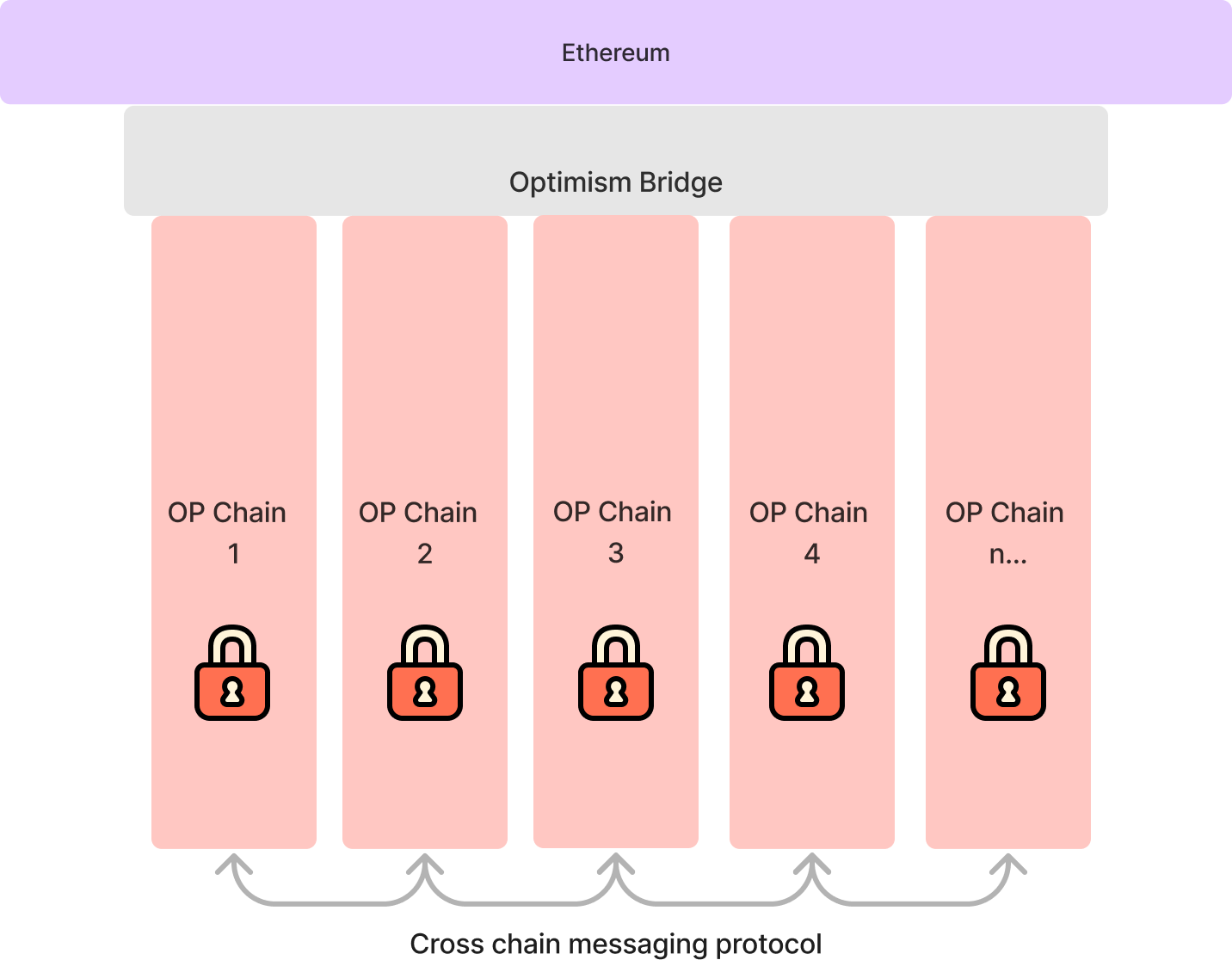
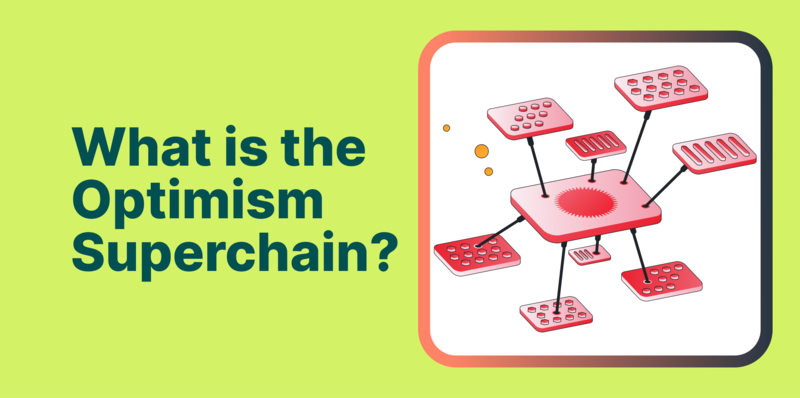
The superchain thesis 2026 defines a modular architecture where multiple rollups share a unified security and interoperability layer rather than operating as isolated silos. Instead of each chain managing its own bridge security and liquidity fragmentation, a superchain standardizes the settlement and messaging protocols. This approach treats individual chains as specialized execution engines that rely on a shared backbone for consistency.
Optimism’s OP Stack has become the primary blueprint for this model. By H2 2025, the Optimism Superchain had expanded to 34 distinct OP Chains, processing 3.6 billion transactions—a 44% increase from the first half of the year. This growth demonstrates how modular design allows new chains to launch with minimal overhead while inheriting the security guarantees of the broader network. The thesis suggests that by 2026, this standard will dominate high-throughput use cases where cross-chain communication is frequent and latency-sensitive.
A common misconception is that superchains sacrifice decentralization for speed. In reality, the thesis aims to distribute validation across many specialized nodes rather than concentrating it. However, the tradeoff involves a higher dependency on the shared sequencer and bridge infrastructure. If the core protocol experiences a fault, all dependent chains are affected simultaneously. This centralization risk is the primary tension between the convenience of interoperability and the resilience of independent chains.
| Feature | Independent Chains | Superchain Model |
|---|---|---|
| Security | Self-managed per chain | Shared L2 security layer |
| Interoperability | Complex, bridge-dependent | Native, standardized messaging |
| Launch Speed | Months to configure | Days via shared stack |
| Risk Profile | Fragmented failure modes | Centralized protocol risk |
Superchain thesis 2026 choices that change the plan
The shift toward modular interoperability in 2026 is no longer theoretical. With the Optimism Superchain reaching 34 OP Chains and transaction volumes hitting 3.6 billion in H2 2025, the infrastructure is real. But building on a shared security model introduces specific tradeoffs that developers and investors must evaluate. This is not just about scaling; it is about choosing where liquidity, security, and control reside.
Standardization vs. Customization
The Superchain thesis relies on shared sequencers and standardized rollup contracts. This reduces development time but limits unique consensus mechanisms. If your protocol requires custom finality or specific economic parameters, a standard OP Stack chain may feel restrictive. You gain speed and lower costs, but you sacrifice the ability to tune the chain’s core behavior.
Shared Security vs. Independent Governance
Chains in the superchain inherit the security of the underlying Layer 2 settlement layer. This is a significant advantage over isolated rollups that must build their own validator sets. However, this comes with a governance tradeoff. You are subject to the upgrade paths and policy decisions of the broader superchain ecosystem. If the core protocol changes, your chain changes with it, reducing your autonomy.
Liquidity Fragmentation vs. Unified Experience
Interoperability protocols like OP Bridge aim to unify liquidity across chains. Yet, in practice, liquidity often remains siloed within specific chains or ecosystems. The goal is a seamless user experience, but the reality is that users still need to bridge assets and navigate multiple interfaces. The tradeoff is between the promise of a unified market and the current friction of cross-chain transfers.
| Factor | Benefit | Cost |
|---|---|---|
| Shared Sequencing | Lower latency and cost | Dependency on central sequencer |
| Standardized Contracts | Faster deployment | Limited custom logic |
| Shared Security | Inherited L2 security | Reduced governance autonomy |
| Interoperability | Unified user experience | Current liquidity fragmentation |
Choose the next step
The Superchain Thesis is no longer theoretical. With 34 OP Chains processing 3.6 billion transactions in H2 2025, the infrastructure has shifted from experimental to operational. Modular interoperability is now the primary lever for scaling Ethereum, but deploying on this architecture requires a specific decision framework. Before committing capital or code, evaluate your project against these three criteria.
1. Assess native interoperability needs
Modular chains excel when they share a common security layer but require distinct execution environments. If your application relies on cross-chain messaging or shared liquidity pools, the Superchain’s native bridge infrastructure reduces latency and counterparty risk. However, if your protocol operates in isolation or requires custom consensus rules that diverge from the base layer, a standalone rollup or a different L2 ecosystem may offer greater flexibility.
2. Calculate the cost of capital efficiency
Interoperability comes with tradeoffs. Shared sequencers and state commitments lower fees but can introduce congestion during peak demand. Run a stress test on your expected transaction volume against the current throughput limits of the OP Stack. If your model depends on high-frequency, low-latency execution, verify that the shared sequencer’s batching mechanism aligns with your user experience requirements. The savings in gas costs must outweigh the potential latency.
3. Verify long-term governance alignment
The Superchain ecosystem is governed by a combination of OP Token holders and core protocol developers. Ensure your project’s tokenomics and governance preferences align with the broader ecosystem’s direction. Misalignment here can lead to friction when upgrades are proposed or when fee structures change. Review the latest State of the Superchain report to understand the current trajectory of network upgrades and fee distribution models.
Identify whether your project requires shared security or custom execution. If you need to move assets or data between chains frequently, the Superchain’s native bridges are the most efficient path.
Model your expected transaction volume against the current 3.6 billion transaction baseline. Ensure your fee structure remains viable even if sequencer congestion increases during market peaks.
Review the OP Token governance proposals and the latest H2 2025 state report. Confirm that your project’s long-term interests are protected by the evolving fee and upgrade mechanisms.
Spotting the Weak Links in Superchain Narratives
The modular interoperability thesis promises a unified Ethereum ecosystem, but the path from concept to reality is littered with overhyped claims and technical oversimplifications. As the Optimism Superchain expanded to 34 OP Chains and hit 3.6 billion transactions in H2 2025, the gap between marketing narratives and operational reality has become a critical area for scrutiny [1]. Investors and builders must distinguish between genuine architectural innovation and superficial multi-chain aggregation.
The "Unified Liquidity" Misconception
A common error is assuming that modular chains share a single, deep liquidity pool. In practice, liquidity remains fragmented across individual OP Stack deployments. While cross-chain messaging enables asset movement, it does not automatically consolidate depth. Treating separate chains as a single market ignores the slippage and bridge risks inherent in current interoperability protocols. True liquidity unification requires complex bridge design, not just shared sequencing.
Underestimating Sequencer Risks
Modular architectures often downplay the risks of centralized sequencing. Many OP Stack chains rely on a single sequencer for transaction ordering. If that sequencer goes offline or censors transactions, the chain’s finality is compromised, regardless of the underlying validity proofs. This centralization point contradicts the decentralization ethos of the superchain and introduces a single point of failure that many whitepapers gloss over.
Interoperability vs. Composability
Interoperability allows data to move between chains, but it does not enable seamless composability. Smart contracts on Chain A cannot directly call functions on Chain B without significant overhead and security assumptions. This distinction is vital: interoperability is a messaging layer, not a unified execution environment. Confusing the two leads to unrealistic expectations about cross-chain dApp performance and user experience.
Superchain thesis 2026: what to check next
The 2026 Superchain thesis centers on modular interoperability, where multiple Layer 2 chains share a unified security model and upgrade path. This architecture aims to solve fragmentation by treating distinct chains as parts of a single cohesive network rather than isolated silos.
Is the Superchain thesis still relevant in 2026?
Yes, the model has matured from theory to infrastructure. The Optimism Superchain reached 34 OP Chains in H2 2025, processing 3.6 billion transactions. This growth suggests the modular approach is scaling effectively, moving beyond early-stage experiments to mainstream utility.
How does the Superchain differ from a traditional Layer 2?
Traditional Layer 2s operate independently with separate security guarantees. The Superchain connects chains through a shared sequencer and consensus layer. This creates a unified experience where assets and data move freely between chains without complex bridging, reducing user friction significantly.
What are the main risks of the Superchain model?
Centralization remains a concern if sequencer control is limited to a few entities. Additionally, shared upgrades mean a flaw in one chain’s code could potentially impact the entire network. Developers must rigorously audit shared components to prevent systemic vulnerabilities.
Can I use assets across all Superchain-compatible chains?
Assets generally move seamlessly within the ecosystem due to standardized account abstractions. However, compatibility depends on specific chain configurations. Always verify that the target chain supports the same token standards and bridging protocols before transferring funds.
No comments yet. Be the first to share your thoughts!