The superchain thesis in 2026
The modular layer 2 model has moved from experimental to foundational. In 2026, the superchain thesis is defined by operational scale rather than theoretical promise. Optimism’s Superchain reached 34 OP Chains in H2 2025, processing 3.6 billion transactions—a 44% increase from the previous half-year (Messari, 2025). This volume demonstrates that shared security and standardization are no longer optional experiments but the primary drivers of throughput.
The convergence is not just about speed; it is about interoperability. By sharing a common derivation pipeline and fault-proof mechanism, these chains reduce the fragmentation that plagued earlier L2 rollups. Developers can deploy once and reach a unified liquidity pool, while users experience seamless asset transfers without bridging fees. This structural efficiency is why modular L2s are dominating Ethereum’s ecosystem.
However, the thesis faces a critical constraint: decentralization. As more chains join the superchain, the validator set becomes the single point of failure. The 2026 landscape demands rigorous scrutiny of who controls the sequencer and how governance is distributed. The superchain’s success depends on balancing this scale with robust, transparent oversight.
Superchain thesis 2026 choices that change the plan
Evaluating modular Layer 2s requires looking past the hype cycle to the actual mechanics of shared security. The 2026 landscape is defined by how different chains handle the tension between sovereignty and interoperability. When analyzing the superchain model, you are essentially assessing a network of chains that share a common security layer and upgrade path, rather than isolated silos.
The primary tradeoff centers on data availability and settlement finality. Chains built on the Optimism stack, for instance, rely on Ethereum L1 for data availability. This offers robust security but can introduce latency and higher costs during peak congestion. In contrast, chains utilizing alternative data availability layers may offer lower fees but introduce different risk vectors regarding censorship resistance and long-term settlement guarantees.
To make an informed decision, compare the following structural factors across the leading superchain implementations:
| Feature | Shared Security | Data Availability | Interoperability | Governance |
|---|---|---|---|---|
| Optimism Superchain | High (Ethereum L1) | Ethereum L1 Blob | OIP-10 (Standardized) | OP Stack Community |
| ZK-Rollup Chains | Variable (Prover-dependent) | Ethereum L1 / AltDA | Custom Bridges | Project Specific |
| Starknet Ecosystem | High (STARK Proofs) | Ethereum L1 | Layer 2 Bridges | StarkWare DAO |
| Arbitrum Orbit | High (Arbitrum Nitro) | Ethereum L1 / Celestia | ArbOS Messaging | DAO Treasury |
The table above highlights that no single model dominates all metrics. The Optimism Superchain leads in standardized interoperability, reducing the friction for users moving assets between chains. However, ZK-based solutions often provide stronger cryptographic guarantees for finality, which is critical for high-value institutional adoption.
When selecting a modular L2, prioritize chains that align with your specific risk tolerance regarding data availability. If you require maximum security, stick to chains settling directly on Ethereum L1. If cost is the primary driver, explore those using alternative data availability layers, but verify their long-term settlement history carefully.
How to Pick the Right Modular Layer 2
Choosing a modular Layer 2 isn't about finding the fastest chain in a vacuum; it's about matching your application's specific data and security needs to the right execution environment. The 2026 Superchain convergence has fragmented the landscape into specialized niches. Picking the wrong stack can lead to high fees, poor liquidity, or security gaps that users notice immediately.
Use this four-step framework to evaluate your options. Focus on concrete metrics like finality time and liquidity depth rather than marketing claims. Each step narrows the field from broad architecture to specific protocol selection.

Start by defining your application's computational requirements. High-frequency trading bots need low-latency, deterministic execution, favoring Optimistic Rollups like Base or Arbitrum. Data-heavy applications, such as on-chain gaming or social media, may benefit from ZK-rollups like zkSync or Scroll, which offer faster finality and lower data availability costs. If your app requires strong privacy guarantees, consider rollups with built-in zero-knowledge proofs like Linea or Polygon zkEVM.
Liquidity is the lifeblood of any Layer 2. A chain with fast transactions means little if users can't swap tokens or borrow assets efficiently. Review total value locked (TVL) and daily active users for your shortlisted chains. The Optimism Superchain, for example, reached 34 OP Chains with transactions hitting an all-time high of 3.6 billion in H2 2025, signaling strong network effects. Prioritize chains with integrated bridges and aggregators that minimize slippage and gas fees for cross-chain interactions.
Understand how your chain settles to Ethereum. Optimistic rollups rely on fraud proofs and a 7-day challenge period, which is secure but slower. ZK-rollups use validity proofs for near-instant finality, reducing counterparty risk. For high-stakes DeFi applications, faster finality can be critical to prevent front-running or liquidation exploits. Check the audit history of the rollup's smart contracts and the reputation of its sequencer operator. Decentralized sequencers are emerging as a best practice to reduce single points of failure.

The best technical choice is useless if your team can't build on it efficiently. Evaluate the quality of documentation, SDKs, and developer grants. Chains with robust tooling like Hardhat plugins, TypeScript libraries, and active Discord support will reduce development time and bug risks. Look for chains that offer testnet faucets, block explorers with detailed transaction tracing, and clear upgrade paths. A strong developer community often correlates with faster innovation and better long-term sustainability.
Spotting Weak Modular Layer 2 Claims
As the Superchain ecosystem matures, distinguishing between genuine modular innovation and speculative vaporware becomes critical for investors and developers. The 2026 convergence demands a clear-eyed view of which Layer 2s offer real utility versus those relying on hollow narratives. We cut through the noise to identify misleading claims and weak options that could drain capital or waste development effort.
The 34 Chain Trap
The Optimism Superchain reached 34 OP Chains with transactions hitting an all-time high of 3.6 billion in H2 2025, up 44% from H1. While this growth looks impressive, it masks a significant fragmentation risk. Many of these chains operate in silos with minimal cross-chain liquidity or shared security benefits. Investors should prioritize chains with active, diverse user bases rather than those built solely for vanity metrics. A high transaction count means little if the underlying protocol lacks sustainable demand or real-world application.
Shared Security vs. Isolated Risks
A common misleading claim is that all modular L2s offer equivalent security guarantees. In reality, many newer chains launch with insufficient validator sets or rely on weaker bridge mechanisms. Always verify the security model of any L2 before allocating funds. Chains that do not clearly articulate their fraud proof mechanisms or validator distribution are red flags. The Superchain thesis only holds if these chains are tightly integrated; isolated chains are just expensive sidechains.
Technical Viability Check
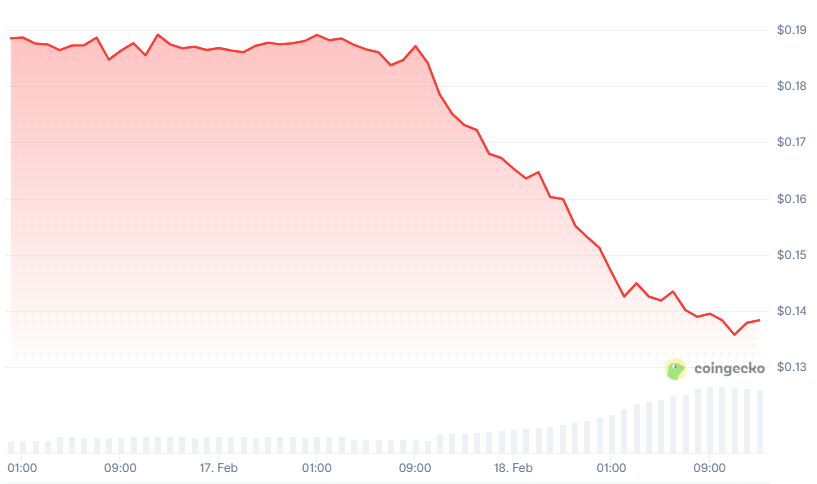
Before committing to any modular L2, check the technical chart for consistent volume and price stability. Use provider-backed widgets to analyze real-time performance rather than relying on whitepaper promises. If a chain’s token shows erratic spikes followed by long periods of stagnation, it likely lacks organic growth. Look for steady, sustained activity that aligns with actual network usage, not just speculative trading.
Superchain thesis 2026: what to check next
The modular Layer 2 landscape is shifting rapidly. As the Superchain architecture matures, practical concerns about interoperability, security, and long-term viability take precedence over speculative hype. Here are the most common questions regarding the 2026 ecosystem convergence.
The convergence is not just about speed; it is about unified liquidity and shared security. As institutional interest grows, the practical benefits of this modular approach become the primary driver for adoption.
No comments yet. Be the first to share your thoughts!