Superchain thesis 2026 limits to account for
Use this section to make the The Superchain Reality decision easier to compare in real life, not just on paper. Start with the reader's actual constraint, then separate must-have requirements from details that are merely nice to have. A practical choice should survive normal use, maintenance, timing, and budget. If a recommendation only works in an ideal situation, call that out plainly and give the reader a fallback path.
The simplest way to use this section is to write down the must-have criteria first, then compare each option against those criteria before weighing nice-to-have features.
The superchain thesis 2026 choices that change the plan
The Superchain thesis argues that multiple Layer 2 chains can share security and upgrades, creating a unified ecosystem rather than isolated silos. While this model has driven transaction volumes to record highs, it introduces specific technical and economic tradeoffs that define the 2026 landscape.
Evaluating this architecture requires looking beyond total value locked. You must weigh the benefits of shared liquidity against the risks of centralized sequencer dependencies and cross-chain composability friction. The following breakdown highlights the concrete factors that determine whether a Superchain approach serves your specific use case.
| Factor | Benefit | Tradeoff | Impact |
|---|---|---|---|
| Shared Sequencers | Lower latency and unified order flow | Single point of failure risk | High |
| OP Stack Standardization | Rapid deployment and shared security | Limited customizability for niche apps | Medium |
| Cross-Chain Messaging | Seamless asset transfers between chains | Increased finality delays and complexity | High |
| Governance Centralization | Fast protocol upgrades and coordination | Reduced decentralization and censorship risk | Medium |
The choice between a fully integrated Superchain and independent L2s often comes down to your priority: speed of development or maximum decentralization. For most mainstream applications, the efficiency gains of shared infrastructure outweigh the minor compromises in sovereignty. However, high-value financial applications may require the independent security guarantees of a standalone chain.
Choose the next step
The Superchain Reality works best as a clear sequence: define the constraint, compare the realistic options, test the tradeoff, and choose the path with the fewest hidden costs. That order keeps the advice usable instead of decorative. After each step, pause long enough to check whether the recommendation still fits the reader's actual situation. If it depends on perfect timing, unusual access, or a best-case budget, include a simpler fallback.


Common Misconceptions About the Superchain
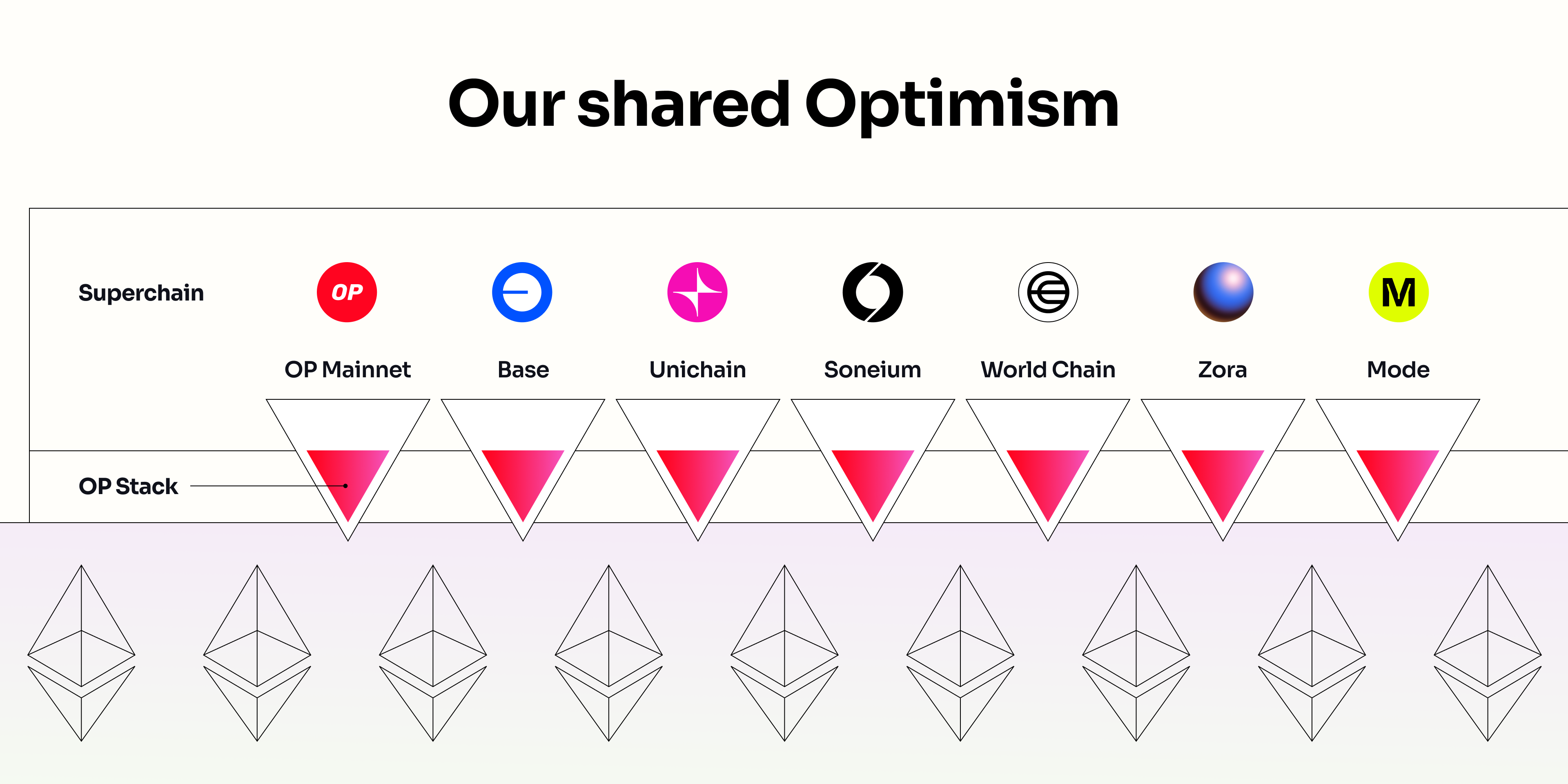
The "superchain" label often masks fundamental architectural differences that affect risk and interoperability. While the Optimism Collective has expanded to 34 OP Chains with transaction volumes hitting 3.6 billion in H2 2025, this growth does not automatically equate to a unified network (Messari, 2025). Treating all modular L2s as interchangeable ignores the critical distinction between shared sequencers and independent data availability layers.
Many investors assume that because multiple chains share the "OP" branding, they operate under a single security model. This is false. Each OP Stack chain maintains its own sequencer and governance. If one chain’s sequencer goes offline, it does not necessarily halt the others, but it also means there is no shared fault tolerance. The modular thesis relies on this fragmentation for censorship resistance, but it sacrifices the seamless user experience many beginners expect.
Another frequent error is overlooking the cost tradeoffs. While L2s reduce gas fees, the reliance on Layer 1 security for finality means that during high Ethereum congestion, L2 transaction costs can spike unpredictably. The "cheap" narrative holds true only when the underlying base layer remains stable. Always check the current gas environment before assuming low fees are permanent.
Superchain thesis 2026: what to check next
The modular L2 narrative is shifting from theoretical whitepapers to deployed infrastructure. As 2026 approaches, the Superchain thesis is no longer just about speed—it is about shared security and unified liquidity. Here are the practical answers to the most common objections regarding this architecture.
No comments yet. Be the first to share your thoughts!