
As we hit 2026, the debate around OP Stack rollups and Superchain interoperability has sharpened for developers eyeing Ethereum's scaling future. Base's pivot away from the OP Stack in recent years grabbed headlines, sparking questions about the Superchain's viability. Yet, Optimism's vision has matured into a robust network where chains communicate natively, slashing the friction of siloed rollups. This shift forces builders to weigh flexibility against seamless connectivity in pursuits like rollup bridging 2026 and multi-rollup scalability.
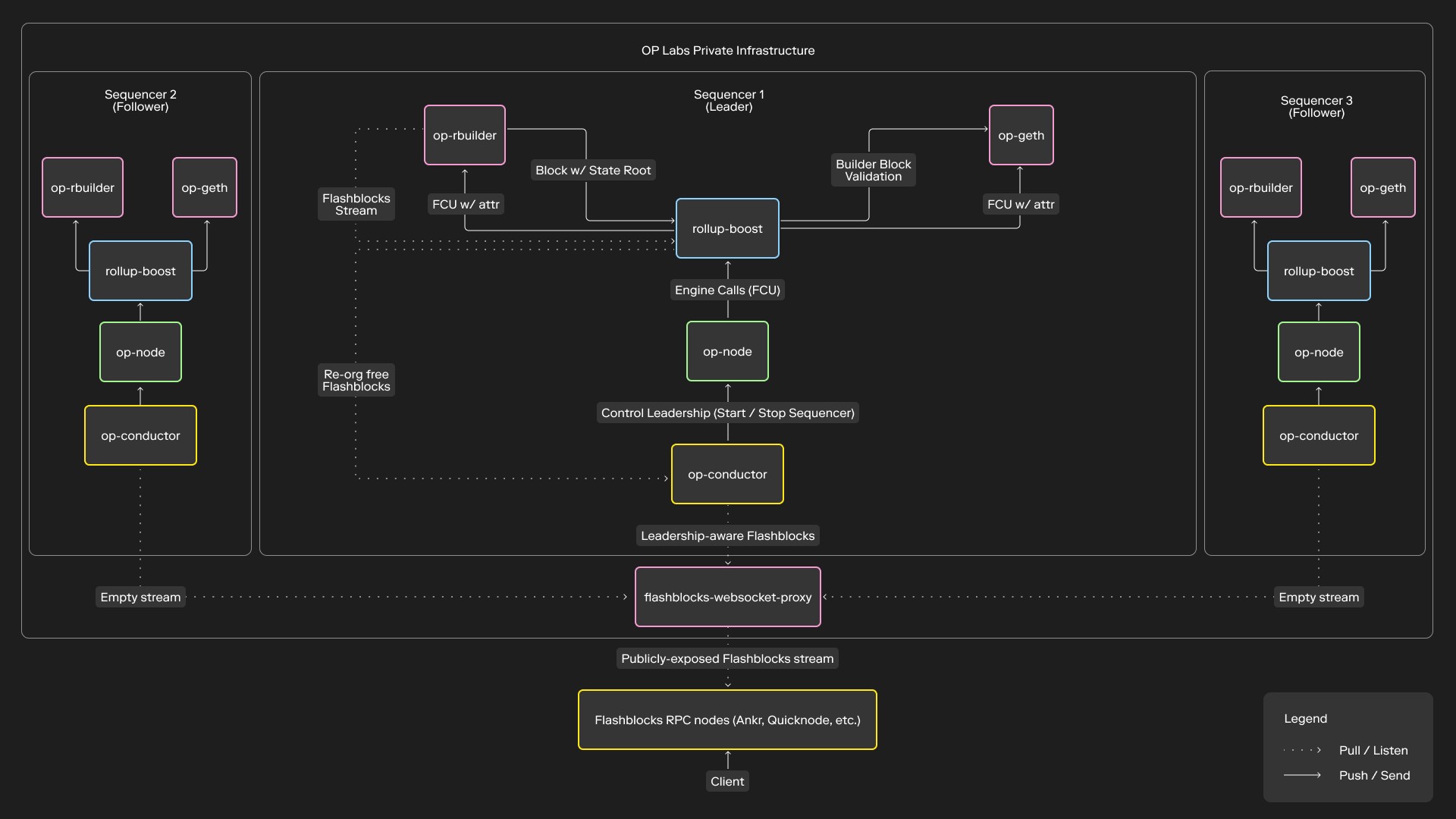
OP Stack rollups shine in their modular design, letting developers swap components like data availability layers or even tweak virtual machines for niche demands. Picture launching a gaming chain with custom sequencing or a DeFi hub optimized for high-throughput trades; the stack's EVM compatibility means porting Solidity code happens with tweaks, not overhauls. Zeeve highlights lesser-known features that amp up this modularity, turning individual rollups into tailored powerhouses. But this freedom comes with strings: interoperability often demands custom bridges, inviting latency and trust assumptions.
Decoding OP Stack Rollups' Modular Core
The OP Stack's blueprint prioritizes developer control. Its layers - from op-geth for execution to derivation pipelines for Ethereum settlement - form a plug-and-play kit. QuickNode notes how this EVM equivalence cuts migration pains, letting teams deploy dApps in weeks rather than months. In practice, standalone rollups excel for projects craving sovereignty, like privacy-focused apps dodging shared governance. Base leveraged this speed early on, but as Coinfomania reports, their unified stack transition underscores a trade-off: faster solo upgrades over collective standards.
OP Stack Rollups vs Superchain Interoperability: Key Differences
| Feature | OP Stack Rollups | Superchain Interoperability |
|---|---|---|
| Modularity/Customization | High 🛠️ (Modular architecture for tailored rollups) | Standardization-focused 📋 (Limits some customizations for cohesion) |
| Interoperability | Medium (Requires additional efforts or third-party bridges) | Native ✅ (Built-in cross-chain protocols, seamless communication) |
| Security | Individual (Developer responsibility) | Shared 🔒 (Collective security model) |
| Governance | Independent | Shared/Collective (Coordinated upgrades) |
Yet, developers must handle sequencer ops themselves, coordinating fraud proofs and liveness manually. This hands-on approach suits experimental stacks but scales poorly across ecosystems. Optimism's docs clarify the stack's role in unified Ethereum bridging, yet without Superchain glue, cross-chain feels bolted-on.
Superchain Interoperability: From Vision to Reality
Fast-forward to February 2026, and Superchain interoperability stands as a game-changer. Blockworks details the native protocol layer enabling state reads across OP Stack chains, ditching third-party bridges for direct, low-latency transfers. Assets zip between rollups via shared sequencing, what Alchemy calls a unified security umbrella. No more fragmented liquidity pools; developers tap a cohesive network where Optimism sequencer coordination ensures ordered execution across chains.
Shared governance streamlines upgrades - one vote ripples network-wide, per Optimism's explainer. This collective model, born from revenue-sharing ideals The Defiant critiqued amid Base's exit, now delivers. Zeeve positions it as the 'super' in Superchain: standardized yet potent for optimistic rollups. For dApp builders, this means atomic swaps or federated oracles without middleware hacks.
Customization Clash: OP Stack Freedom Meets Superchain Constraints
Here's the crux for developers: OP Stack rollups offer boundless customization within Ethereum norms, ideal for verticals like AI compute or socialFi needing bespoke VMs. Superchain interoperability, however, enforces standards for cohesion - think uniform bridges and sequencer handshakes. This curbs wild mods but unlocks plug-and-play multi-chain apps. CryptoRank flags Base's path as a hybrid: high OP ties initially, now independent with potential bridge needs. Dive into OP Stack's role in Superchain.
Security tilts Superchain's way too. Individual rollups shoulder full fraud-proof burdens; Superchain distributes them, boosting resilience. Bankless noted Optimism's token woes post-Base, but 2026 metrics show adoption surging as interoperability pays off in TVL and tx volume.
Developers building in 2026 face a clear fork: chase OP Stack rollups' modularity for one-off innovations or embrace Superchain interoperability for ecosystem-wide leverage. The former demands engineering heft for bridges, echoing Base's early wins before their split. The latter, with its native cross-chain pipes, lets you query states or settle trades across chains in blocks, not days. Optimism's protocol layer handles this via unified dispute resolution, making rollup bridging 2026 a non-issue within the network.
Consider a DeFi protocol spanning lending on one rollup and perps on another. OP Stack alone means crafting custom messengers or liquidity pools per pair, bloating gas and UX. Superchain's shared sequencer, as detailed in docs, batches transactions network-wide, slashing costs 40-60% per Blockworks analysis. This Optimism sequencer coordination isn't just tech; it's a liquidity magnet, pooling volumes that solo rollups can't match.
Real-World Trade-Offs: Metrics That Matter
By February 2026, data underscores the divergence. Superchain chains clock average cross-chain tx latency under 100ms, per Alchemy benchmarks, versus 5-30 minutes for OP Stack bridges reliant on external relayers. TVL in Superchain ecosystems has ballooned, with coordinated upgrades preventing the downtime plagues of independents. Standalone OP rollups, while nimble for forks like Base's unified stack, grapple with sequencer centralization risks - a solo point of failure unless you invest in decentralization tooling.
Customization shines in OP Stack for edge cases. Want a rollup with Celestia DA or a ZK hybrid? Modular layers make it feasible. Superchain prioritizes EVM parity and OP Stack fidelity, gating exotic tweaks behind governance. This standardization fuels multi-rollup scalability, where 20 and chains settle as one virtual L2, but it irks teams like Base who bolted for operational speed post-2024.
Governance adds nuance. OP Stack rollups let you bootstrap tokenomics freely, aligning incentives sans collective drag. Superchain's shared model, revenue-pooled to OP token, enforces unity - ideal for public goods but a drag for profit-max chains. The Defiant's 2024 skepticism aged poorly; 2026 adoption proves interoperability's pull, with dApps like cross-rollup DEXes thriving.
Developer Playbook: Picking Your Stack in 2026
For solo verticals - gaming, RWAs, or AI agents - spin up an OP Stack rollup. Leverage op-geth's maturity and EVM ports for rapid MVPs. Budget for bridge audits and sequencer diversity to mitigate risks. Tools from Zeeve ease deployment, but scale demands partnerships.
Multi-chain ambitions? Superchain interoperability beckons. Native state sharing via protocols lets oracles feed aggregated data, NFTs roam freely, and composability rivals Ethereum L1. QuickNode's guides smooth onboarding, with shared security offloading fraud-proof ops. Base's exit highlights independence's allure, yet most devs gain from network effects - think unified frontends querying all chains.
Hybrid paths emerge too. Launch on OP Stack, then Superchain-opt-in for interoperability perks. Optimism's vision evolves, per their explainers, toward optional modules preserving custom cores. This flexibility positions developers to pivot as rollup bridging 2026 standards solidify.
Ultimately, 2026's landscape rewards intentional choices. OP Stack rollups empower bespoke builders; Superchain interoperability scales collaborative visions. With Ethereum's Dencun glow-up amplifying both, the real win lies in tooling that blurs their lines, ushering true L2 unity.




No comments yet. Be the first to share your thoughts!