In 2025, the OP Stack has moved from a promising rollup framework to the bedrock of multi-rollup interoperability. For developers, this is more than a technical upgrade. It’s a paradigm shift: applications are no longer siloed on single chains but can now natively interact, share liquidity, and coordinate logic across an entire superchain ecosystem. The result? Builders can finally architect scalable, composable Web3 experiences that transcend legacy Layer 2 limitations.
The Superchain Vision: From Fragmentation to Cohesion
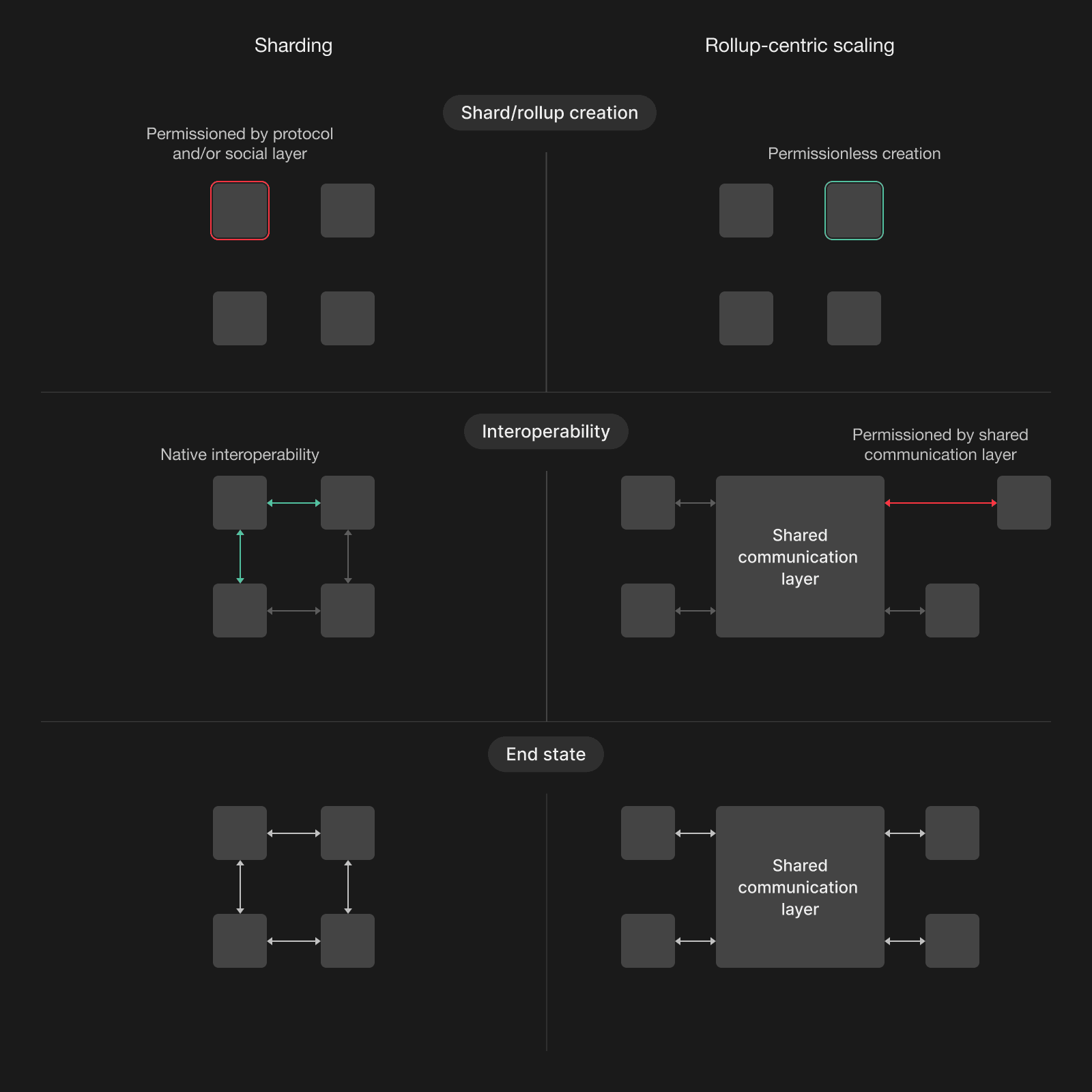
The key challenge facing blockchain scalability in previous cycles wasn’t just throughput or cost - it was fragmentation. Each rollup chain operated its own bridge, sequencer set, and token standards, creating friction for both users and developers. The Optimism Superchain initiative directly addresses this by unifying OP Stack rollups under a common protocol suite.
At the heart of this vision is the native interoperability layer. Introduced in early 2025, it enables seamless cross-rollup messaging and shared asset standards:
- Cross-chain message-passing: Developers can trigger contract calls or data reads across any OP Stack chain using a standardized protocol.
- SuperchainERC20: Bridged assets now follow a universal token standard for frictionless movement between chains.
- Interop fault proofs: Fault proofs are no longer isolated per chain; they’re validated across the superchain, increasing both security and decentralization.
This approach means that dApps built on Base can communicate with Worldchain or Unichain as if they were extensions of the same platform - all without custom bridges or risky custodial solutions. For more technical depth on how these protocols interlock, see our coverage at How the OP Stack Powers Interoperability Across Ethereum Rollups.
Pivotal Protocol Upgrades: Unlocking Cross-Rollup Development in 2025
The leap from theory to practice required major upgrades at both the protocol and infrastructure layers. In particular, Upgrade 16, passed mid-2025 after months of community debate, was transformative. By introducing new interop contracts and eliminating permissioned roles for core functions, it laid the foundation for permissionless cross-chain communication and Stage 2 decentralization.
This upgrade also brought support for multiple proof systems - including ZK-fault proofs via Kona (Rust-based) and hybrid approaches like RISC Zero’s Kailua. These advancements mean that not only is security improved through diverse validation mechanisms but also that developers have more flexibility when designing their own rollups atop the OP Stack.
The result is an ecosystem where launching an interoperable L2 isn’t reserved for deep-pocketed teams with custom infra. Thanks to integrations with Rollups-as-a-Service (RaaS) providers like Conduit and AltLayer, even small teams can deploy feature-rich OP Stack rollups with shared sequencer sets and atomic cross-chain transactions - all managed through intuitive dashboards.
The Developer Experience: Tooling That Makes Multi-Rollup Apps Possible
No interoperable ecosystem succeeds without robust tools for builders. The Superchain’s latest developer suite reflects this reality:
- Supersim: Simulate complex cross-rollup flows before mainnet deployment.
- Dev Console and Multi-Chain Faucet: Test contracts on multiple chains simultaneously with unified funding tools.
- SuperchainERC20 Starter Kits: Jumpstart development of interoperable tokens without reinventing standards.
This tooling is already catalyzing new application patterns - from DeFi protocols leveraging liquidity across Base and Worldchain to NFT marketplaces where assets are natively portable between L2s. As we move deeper into H2 2025, expect these patterns to accelerate as more teams realize what true superchain composability unlocks.
For developers, the maturation of OP Stack interoperability in 2025 means the barriers to building truly multi-rollup applications are lower than ever. The days of wrestling with bespoke bridges or duplicative infrastructure are receding. Instead, a standardized protocol set and comprehensive dev tooling allow teams to focus on user experience and product innovation, rather than plumbing.
One of the most profound shifts is the emergence of atomic cross-rollup transactions. With shared sequencer sets and message-passing, dApps can orchestrate complex flows, such as flash loans or NFT swaps, that span multiple OP Stack chains in a single, trust-minimized operation. This not only enhances composability but also unlocks new DeFi primitives and business models that simply weren’t feasible in prior cycles.
At the same time, permissionless fault proofs, now live across several OP Stack rollups, have raised the bar for security and decentralization. By enabling anyone to challenge invalid state transitions across chains, the Superchain reduces systemic risk for users and developers alike. The inclusion of ZK-powered solutions like Succinct Labs’ op-succinct and RISC Zero’s Kailua further bolsters this foundation with cutting-edge cryptographic guarantees.
Choosing a Rollup Provider: Strategic Factors for 2025
With so many infrastructure providers now supporting OP Stack deployments, from Conduit and AltLayer to enterprise-focused platforms like Zeeve, the decision matrix for builders is nuanced. Key considerations include:
- Scalability and Reliability: Does your provider offer proven uptime and scale as your application grows?
- Interoperability Readiness: Are interop contracts up-to-date? Is support for SuperchainERC20 tokens native?
- Sequencer Flexibility: Can you opt into shared sequencer sets for atomic cross-chain actions?
- Proof System Diversity: Are multiple fault proof systems available, ZK, optimistic, hybrid, to match your security needs?
- No-Code Tooling: How quickly can you deploy custom L2s without deep protocol expertise?
The competitive landscape is dynamic, platforms are racing to differentiate on developer experience, integration depth, and operational transparency. For an in-depth look at how OP Stack is shaping next-gen rollup interoperability, see our analysis at How the OP Stack Is Powering Next-Gen Interoperable Rollups in 2025.
What’s Next: The Roadmap Toward Universal Blockchain Composability
The innovations crystallizing in the OP Stack ecosystem are already influencing broader industry trends. Competing frameworks, from Polkadot’s parachains to Cosmos zones, are adapting similar approaches to shared security and cross-chain messaging. Yet what distinguishes Optimism’s Superchain is its pragmatic focus: rather than chasing theoretical maximalism, it delivers tangible tools that solve real pain points today.
The coming quarters will likely see further enhancements: more sophisticated interop contracts, expanded support for non-EVM VMs (like WASM or Move), deeper integrations with decentralized identity layers, and ongoing refinements to proof systems as ZK technology matures. All eyes remain on how these upgrades will impact both developer velocity and end-user experience across DeFi, gaming, social apps, and beyond.
If you’re building or investing in Web3 infrastructure in H2 2025, understanding how OP Stack interoperability redefines scalability, and composability, is no longer optional. The superchain era isn’t just a technical milestone; it’s a new competitive baseline for blockchain ecosystems worldwide.



No comments yet. Be the first to share your thoughts!