What is the Superchain Thesis?
The superchain thesis is a design framework for scaling Ethereum by linking multiple Layer 2 networks into a single, cohesive ecosystem. Rather than treating each rollup as an isolated island, this approach standardizes the underlying technology so that chains can share security, data, and liquidity. The goal is to create a unified user experience where assets move freely between chains without the friction of traditional bridges.
How It Works
At the core of the superchain is a shared set of smart contracts and a common sequencer stack. Optimism’s OP Stack is the primary implementation, allowing developers to deploy rollups that inherit the same base layer logic. This standardization means that if a wallet or indexer supports one OP Stack chain, it can often support others with minimal configuration. The result is a network effect where each new chain adds to the collective liquidity and utility of the entire superchain.
Common Misconceptions
A frequent misunderstanding is that a superchain is a single new blockchain. It is not. It is a collection of distinct Layer 2 networks that coordinate through shared protocol rules. While they benefit from shared security models, individual chains still maintain their own state and governance. This distinction matters because it preserves the modularity of rollups while solving the fragmentation problem that has historically hindered multi-chain adoption.
Why It Matters for Liquidity
Interoperability is the key benefit. In a fragmented landscape, liquidity is split across dozens of isolated chains, reducing depth and increasing slippage. The superchain thesis aims to consolidate this liquidity into a single, deep pool that is accessible from any connected chain. For traders and developers, this means better prices, faster settlements, and a simpler infrastructure to build on.
Superchain thesis choices that change the plan
The superchain thesis promises a unified ecosystem where Layer 2s share sequencers, governance, and native interoperability. While this model reduces fragmentation and lowers operational overhead, it introduces specific tradeoffs in decentralization, sovereignty, and security. Understanding these factors is essential for evaluating whether a superchain architecture aligns with your risk tolerance and long-term strategy.
The primary benefit is composability. By sharing a common standard like the OP Stack, chains can communicate seamlessly without relying on complex cross-chain bridges. This reduces the attack surface for exploits and simplifies user experience. However, this efficiency comes at the cost of centralization. If a single team controls the core stack or sequencer infrastructure, the network becomes more vulnerable to single points of failure.
Another critical tradeoff involves governance and upgrade cycles. In a tightly coupled superchain, a protocol upgrade requires coordination across multiple chains. This can slow down innovation or force consensus on changes that some operators may find undesirable. Conversely, isolated chains retain full autonomy but must rebuild or bridge components that the superchain provides out-of-the-box. This tension between speed and sovereignty defines the current debate.
To visualize these tradeoffs, consider the following comparison between a tightly coupled superchain model and a fragmented multi-chain approach.
These dynamics are reflected in current market sentiment. As projects like Base explore deeper integration or potential divergence, the liquidity implications shift rapidly. Tracking the performance of the underlying assets helps gauge market confidence in these architectural choices.
For a deeper technical view, analyzing the price action and volume can reveal how traders are pricing in these structural risks.
Ultimately, the superchain thesis is not a binary choice but a spectrum of tradeoffs. Projects must weigh the benefits of shared infrastructure against the costs of reduced autonomy. As the ecosystem matures, the balance between these factors will determine which models survive and which fade into obsolescence.
How to choose the next step in multi-chain liquidity
The Superchain thesis is no longer just a theoretical framework for scaling Ethereum; it is a practical infrastructure layer that changes how liquidity moves across networks. For investors, developers, and operators, the question has shifted from "if" to "how." Choosing the right step in this evolution requires evaluating interoperability not as a marketing buzzword, but as a technical and economic constraint.
This decision framework breaks down the immediate choices into three critical steps. Each step addresses a specific layer of the stack, from protocol design to user experience, helping you determine where value is currently being captured and where risks remain.
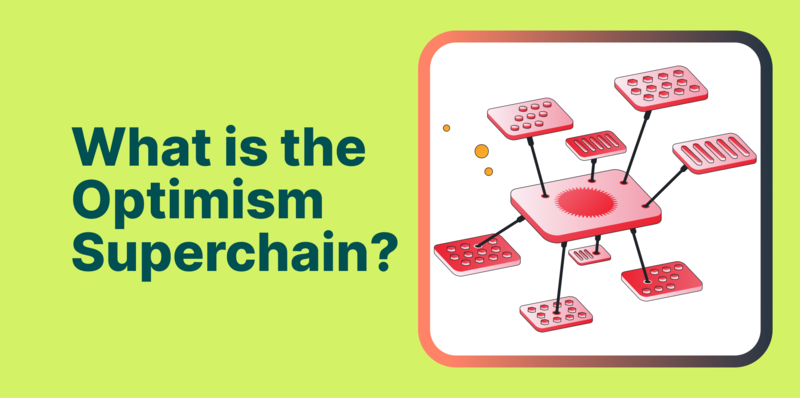
The first step is auditing the underlying bridge and messaging infrastructure. Not all superchains are created equal. Look for native, contract-level interoperability rather than third-party bridges that introduce additional counterparty risk. The goal is to find protocols where assets and data move without leaving the security model of the base layer. If the liquidity path requires hopping through multiple external bridges, the "superchain" efficiency is an illusion. Prioritize stacks that offer atomic composability, where a transaction on one chain can instantly settle on another without manual intervention.
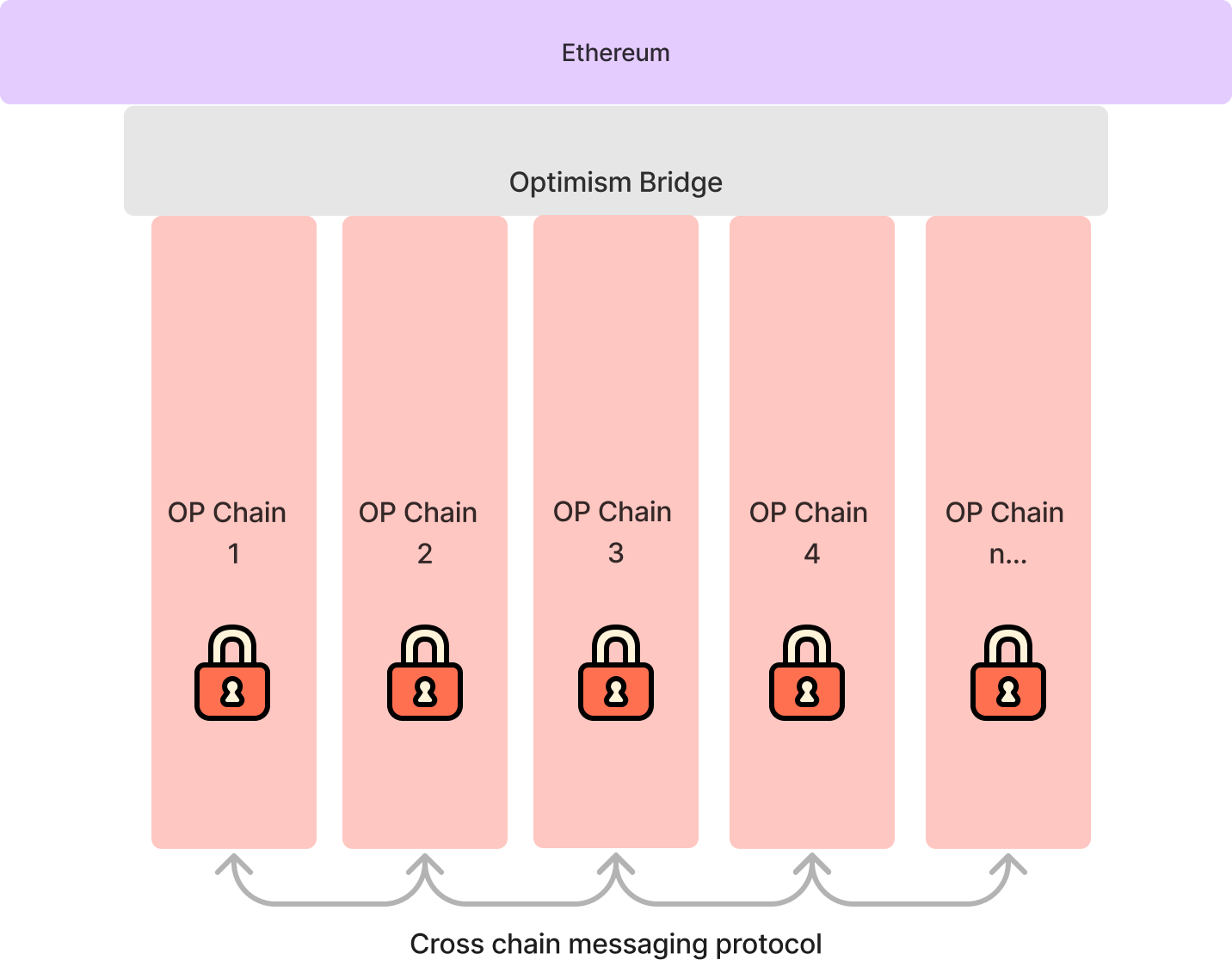
Interoperability means little if liquidity is still trapped in silos. The next step is to measure how effectively capital flows across the network. High interoperability should result in unified depth, not just connected wallets. Check if major decentralized exchanges (DEXs) are aggregating liquidity across the superchain or if they remain isolated. A robust multi-chain liquidity environment will show consistent order books and minimal slippage regardless of the entry point. If you find significant price discrepancies between chains for the same asset, the interoperability layer is still in its early, inefficient stages.
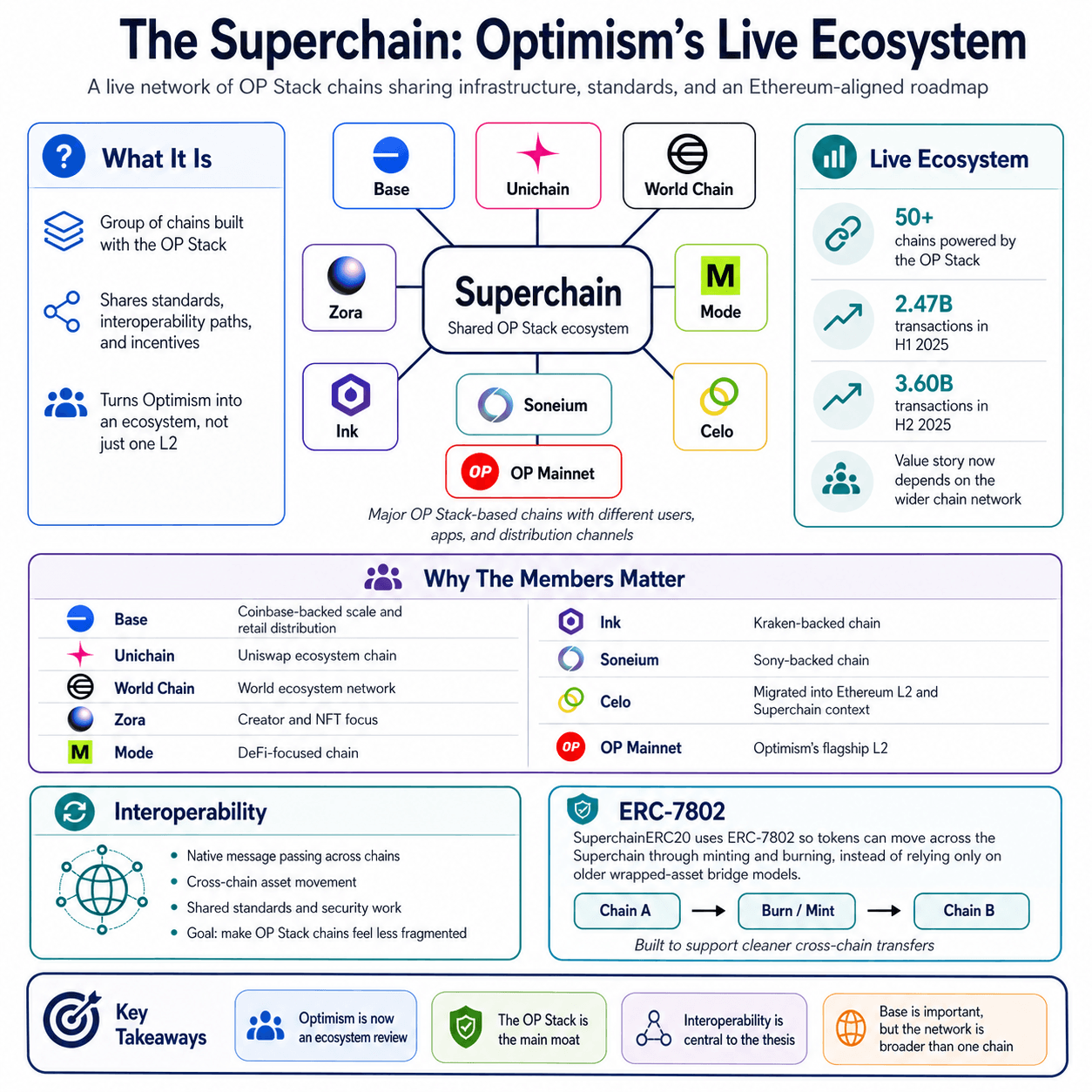
Finally, evaluate the user-facing experience. The best technical interoperability fails if the user interface requires complex manual bridging. The next step in the thesis is "account abstraction," where the user interacts with a single wallet that handles the underlying cross-chain mechanics invisibly. Look for applications that allow users to deposit on one chain and withdraw on another seamlessly. If the user has to manually wrap tokens, pay gas on multiple chains, and wait for confirmation times across different networks, the friction is too high for mass adoption. The true test is invisibility.
The transition to a unified multi-chain liquidity model is gradual. By focusing on these three steps—infrastructure integrity, liquidity depth, and user abstraction—you can identify which projects are building genuine utility versus those merely layering on complexity. The winners in 2026 will be those that make the superchain feel like a single, cohesive network rather than a collection of disjointed chains.
Spotting Weak Superchain Options
Not every multi-chain project deserves the "superchain" label. The term describes a specific architecture where rollups share a standard execution environment, sequencer set, or interoperability protocol. Projects that merely bridge assets without shared security or standardized messaging often rely on fragile external bridges. These weak options introduce unnecessary counterparty risk and fragmented liquidity pools.
Beware of platforms claiming "superchain status" while still using custom, non-standard token bridges. True interoperability requires a unified messaging layer, not just wrapped assets moving between isolated chains. If a network lacks transparent, on-chain proof of its shared security model or standardized cross-chain communication, treat it as a separate chain with added complexity. Stick to ecosystems with documented, audited interoperability protocols to avoid liquidity traps and bridge exploits.
Superchain thesis: what to check next
The superchain thesis proposes a network of Layer 2 chains sharing the OP Stack, sequencers, and native interop to scale Ethereum together. While the promise is unified liquidity and lower costs, the model faces real-world friction as chains like Base diverge from the shared sequencer model.
Does the Superchain Thesis still hold up in 2026?
The core architecture remains the standard for modular scaling, with 40+ chains using the OP Stack. However, the definition of "superchain" has evolved. It now refers more to shared tooling and governance standards than a single, tightly coupled network with a unified sequencer.
Why is Base leaving the shared sequencer model?
Base’s move highlights the tension between decentralization and performance. By opting out of the shared sequencer, Base prioritizes its own throughput and censorship resistance. This fragmentation challenges the original vision of seamless, native interop across all OP Stack chains.
What are the risks of L2 fragmentation?
Fragmentation can lead to liquidity silos and complex bridging requirements. If chains operate in isolation, the "superchain" benefits of composability disappear. Users may face higher gas costs and slower transaction finality when moving assets between non-interoperable rollups.
Is the Superchain Thesis dead?
No, but it has shifted. The thesis is no longer about a monolithic network but about a modular ecosystem where chains choose their level of integration. Success now depends on robust cross-chain messaging and governance frameworks that accommodate diverse sequencer models.
No comments yet. Be the first to share your thoughts!