The Superchain Thesis in 2026: Ground Rules
The superchain thesis moves beyond simple Layer 2 scaling to address a fragmented user experience. Instead of treating each rollup as an isolated silo, the 2026 model uses shared sequencing and uniform standards to create a single, cohesive network. This shift aims to solve the liquidity fragmentation that has plagued Ethereum scaling efforts for years.
At the core of this architecture is the OP Stack. By standardizing the underlying code, different chains can share security and communication protocols. This reduces development overhead and allows users to move assets without jumping through complex bridge interfaces. The goal is efficiency without sacrificing the decentralized ethos that defines the Optimism ecosystem.
However, the thesis faces scrutiny. Critics argue that shared sequencing creates centralization risks, where a single operator could bottleneck the entire network. As we move into 2026, the industry is balancing these tradeoffs, focusing on whether the speed gains justify the potential loss of sovereignty for individual rollups.
Superchain thesis 2026 choices that change the plan
The move toward a unified Superchain ecosystem offers clear benefits in cost and shared security, but it introduces specific technical and economic tradeoffs that developers and users must weigh. As the architecture matures in 2026, the choice between participating in the broader Superchain or maintaining independent sovereignty becomes a strategic decision rather than just a technical one.
The primary advantage is liquidity and composability. By sharing the same rollup stack, typically OP Stack, chains can communicate more efficiently, reducing the friction of cross-chain transfers. This creates a "network effect" where users benefit from deeper liquidity pools and standardized interfaces across multiple projects. However, this comes at the cost of centralization risk. If the base layer or the sequencer infrastructure experiences downtime or censorship, all dependent chains are affected simultaneously. The interdependence means that a failure in one part of the Superchain can cascade, impacting user experience across the entire ecosystem.
Another critical factor is governance and upgrade coordination. In a tightly coupled Superchain, protocol upgrades require consensus among multiple stakeholders, which can slow down innovation. Independent chains retain the agility to implement changes quickly without waiting for broader agreement, but they miss out on the shared security guarantees and developer tooling benefits. For projects requiring high-frequency trading or strict data sovereignty, the tradeoff often favors independence. For consumer-facing applications prioritizing ease of use and low fees, the Superchain model provides a more streamlined experience.
To help evaluate these tradeoffs, the following table compares the key considerations for Superchain participants versus independent Layer 2 solutions.
| Factor | Superchain (e.g., OP Stack) | Independent L2 |
|---|---|---|
| Liquidity | Shared, deeper pools | Fragmented, isolated |
| Security | Shared base layer risk | Self-custodied security |
| Upgrade Speed | Slower, coordinated | Fast, autonomous |
| User Experience | Seamless cross-chain | Manual bridging required |
| Centralization Risk | Higher (sequencer dependency) | Lower (distributed) |
Ultimately, the 2026 Superchain thesis is not about choosing one path exclusively. It is about understanding where each tradeoff aligns with your specific use case. For mass-market applications, the efficiency of the Superchain is hard to beat. For niche, high-security, or highly customized projects, independence remains the superior choice.
Choosing the Right Superchain Path
The superchain thesis promises a unified experience where liquidity and identity flow freely between Layer 2 networks. In practice, this means you are not just picking a blockchain, but selecting a specific ecosystem strategy. Each path offers different tradeoffs between decentralization, cost, and developer maturity. Use this framework to align your choice with your actual needs, whether you are building an application or allocating capital.
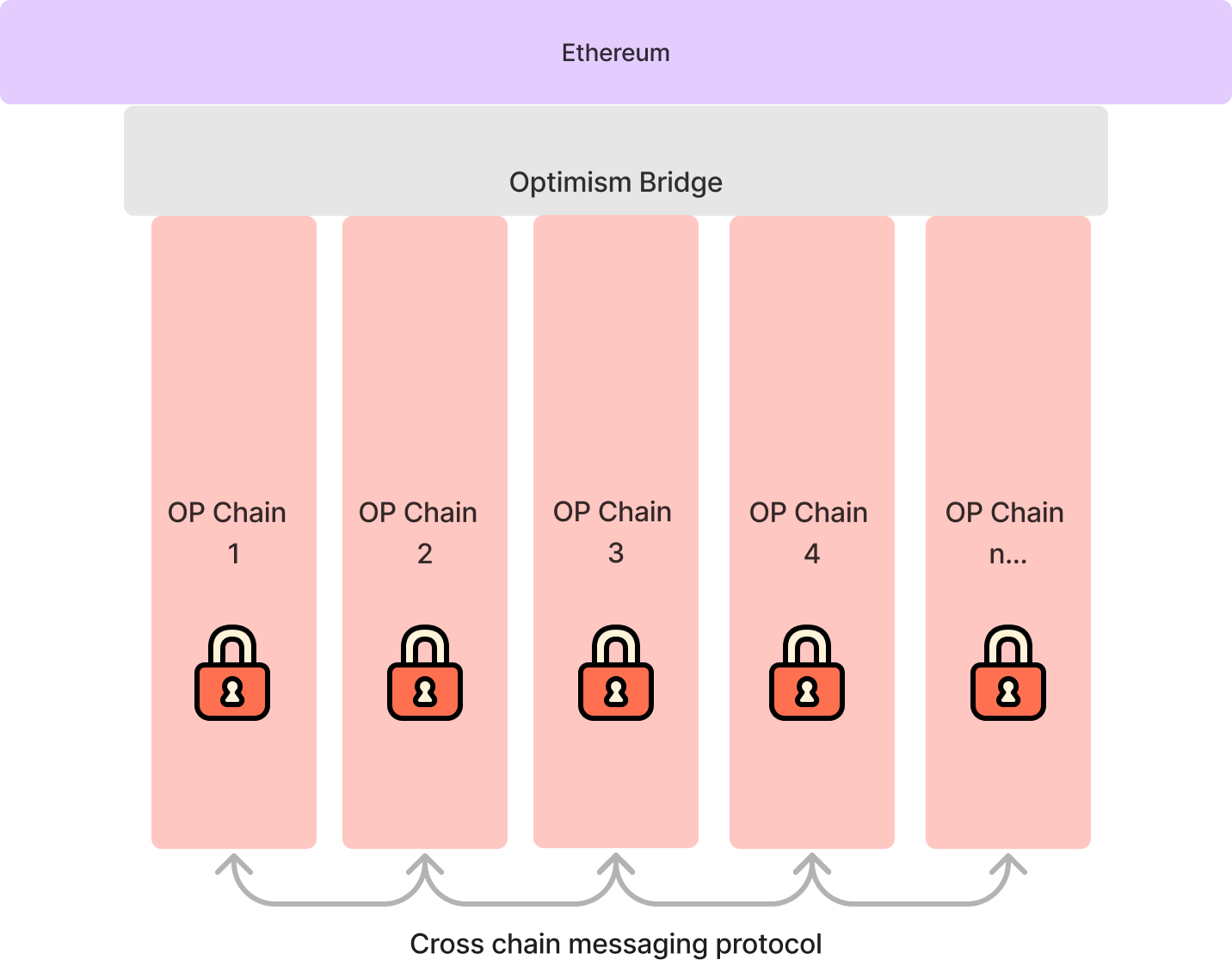
Determine if you truly need cross-chain messaging or if a single-chain solution suffices. Native bridges within a single superchain (like OP Stack networks) are generally more secure and faster than external bridges. If your project relies on seamless asset movement, prioritize networks that share the same underlying stack, such as Optimism, Base, or Zora.

Not all superchains are created equal. Some rely on centralized sequencers or multi-sig governance that may introduce centralization risks. Review the governance model of the network. For high-value applications, prefer networks with decentralized sequencer sets or robust fraud proof mechanisms, as these reduce the risk of censorship or state manipulation.
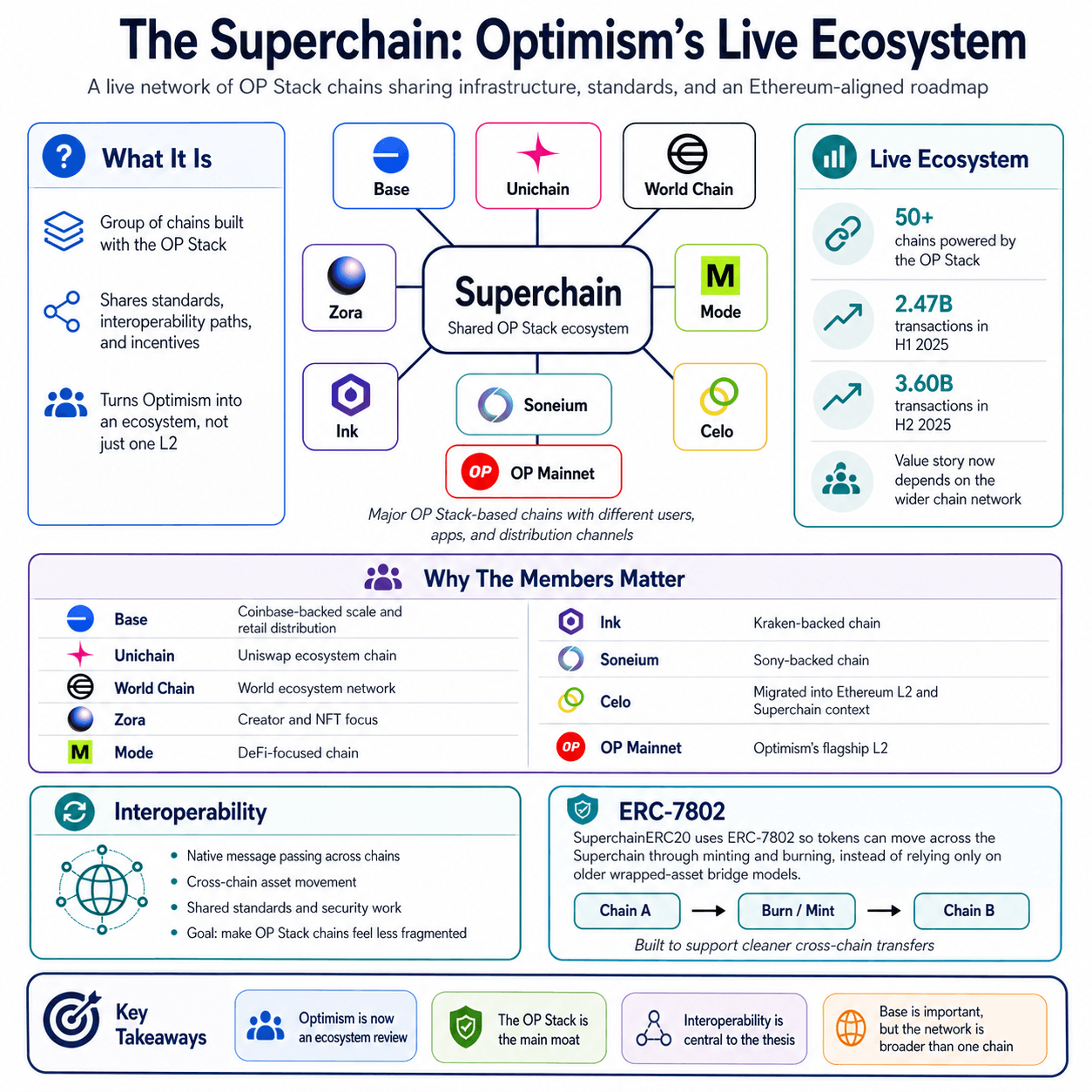
A superchain is only as good as its ecosystem. Look for active developer documentation, established SDKs, and deep liquidity on decentralized exchanges. Networks with mature tooling reduce integration time and risk. Avoid networks with fragmented liquidity, as this leads to high slippage and a poor user experience for your end customers.
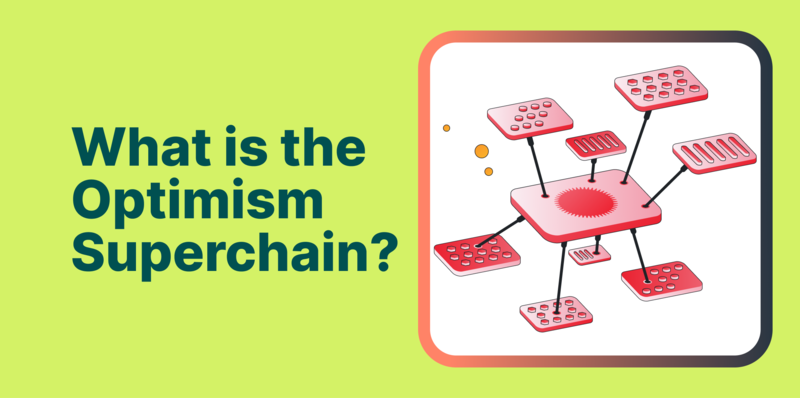
The landscape is shifting rapidly. Choose a network with a clear upgrade path and transparent fee markets. Networks that allow for easy implementation of new consensus rules or account abstraction features will remain relevant longer. Monitor gas fee trends to ensure your application remains cost-effective during peak usage periods.
| Network | Core Stack | Security Model | Liquidity Depth |
|---|---|---|---|
| Optimism | OP Stack | Decentralized Sequencer (planned) | High |
| Base | OP Stack | Centralized Sequencer | Very High |
| Zora | OP Stack | Centralized Sequencer | Medium |
| Arbitrum One | Arbitrum Nitro | Fraud Proofs | Very High |
The choice between these paths often comes down to risk tolerance. If you prioritize decentralization, the OP Stack’s roadmap toward decentralized sequencing is compelling. If you prioritize immediate liquidity and user acquisition, Base or Arbitrum offer deeper pools. Align your selection with the long-term viability of the network’s economic and technical design.
Spotting Weak Options and Misleading Claims
The Superchain thesis promises a unified ecosystem, but the reality is often a fragmented landscape of competing L2s with varying degrees of interoperability. Before committing capital or building infrastructure, you need to separate genuine technical synergy from marketing hype. Many projects claim "superchain compatibility" while lacking the critical cross-chain messaging protocols that define true interoperability.
The Interoperability Gap
True interoperability requires more than just shared token standards; it demands a robust, secure, and low-latency messaging layer. Look for projects built on proven stacks like OP Stack or ZK Stack that have undergone extensive auditing. Be wary of solutions that rely on custom, unaudited bridges or centralized sequencers, as these introduce single points of failure. The cost of a bridge exploit often dwarfs any perceived efficiency gains from a "faster" but insecure network.
Evaluating L2 Trade-offs
Not all L2s are created equal. Some prioritize speed at the expense of decentralization, while others sacrifice throughput for stronger security guarantees. When comparing options, look at the actual transaction costs, finality times, and the decentralization of their validator sets. Avoid projects that obscure their fee structures or rely on complex, opaque gas models. The best L2s provide transparent, predictable costs that align with their underlying security assumptions.
Red Flags in Superchain Projects
Several common mistakes signal a weak option. First, avoid projects that promise instant, trustless cross-chain transfers without explaining the underlying cryptographic proofs. Second, be skeptical of teams that lack a clear roadmap for decentralization or that rely heavily on VC funding without a sustainable tokenomics model. Finally, ignore projects that claim to be "the only" solution, as the Superchain ecosystem is inherently multi-chain and competitive.
Superchain thesis 2026: what to check next
The Superchain thesis relies on shared infrastructure to reduce costs and improve user experience across Layer 2 networks. While the model has scaled rapidly, it faces practical challenges regarding centralization risks and chain fragmentation. These are the most common questions developers and users ask as the ecosystem matures in 2026.
The trade-off is clear: the Superchain offers speed and interoperability at the cost of some decentralization diversity. As more chains adopt the model, the focus shifts from technical feasibility to economic sustainability and governance alignment.
No comments yet. Be the first to share your thoughts!