Superchain thesis limits to account for
The Superchain thesis offers a compelling vision of unified liquidity and shared security, but it introduces specific technical and economic constraints that can impact user experience and developer strategy. Understanding these limits is crucial for evaluating whether the architecture fits your specific needs, whether you are a user concerned with transaction costs or a developer planning for cross-chain composition.
A practical choice should survive normal use, maintenance, timing, and budget. If a recommendation only works in an ideal situation, call that out plainly and give the reader a fallback path.
Superchain thesis choices that change the plan
Use this section to make the Superchain Thesis decision easier to compare in real life, not just on paper. Start with the reader's actual constraint, then separate must-have requirements from details that are merely nice to have.
The simplest way to use this section is to write down the must-have criteria first, then compare each option against those criteria before weighing nice-to-have features.
| Factor | What to check | Why it matters |
|---|---|---|
| Fit | Match the option to the primary use case. | A good deal still fails if it does not fit the job. |
| Condition | Verify age, wear, and service history. | |
| Cost | Compare purchase price with likely upkeep. | The cheapest option is not always the lowest-cost option. |
Choose the next step
The Superchain Thesis works best as a clear sequence: define the constraint, compare the realistic options, test the tradeoff, and choose the path with the fewest hidden costs. That order keeps the advice usable instead of decorative.
After each step, pause long enough to check whether the recommendation still fits the reader's actual situation. If it depends on perfect timing, unusual access, or a best-case budget, include a simpler fallback.
Common Misleading Claims
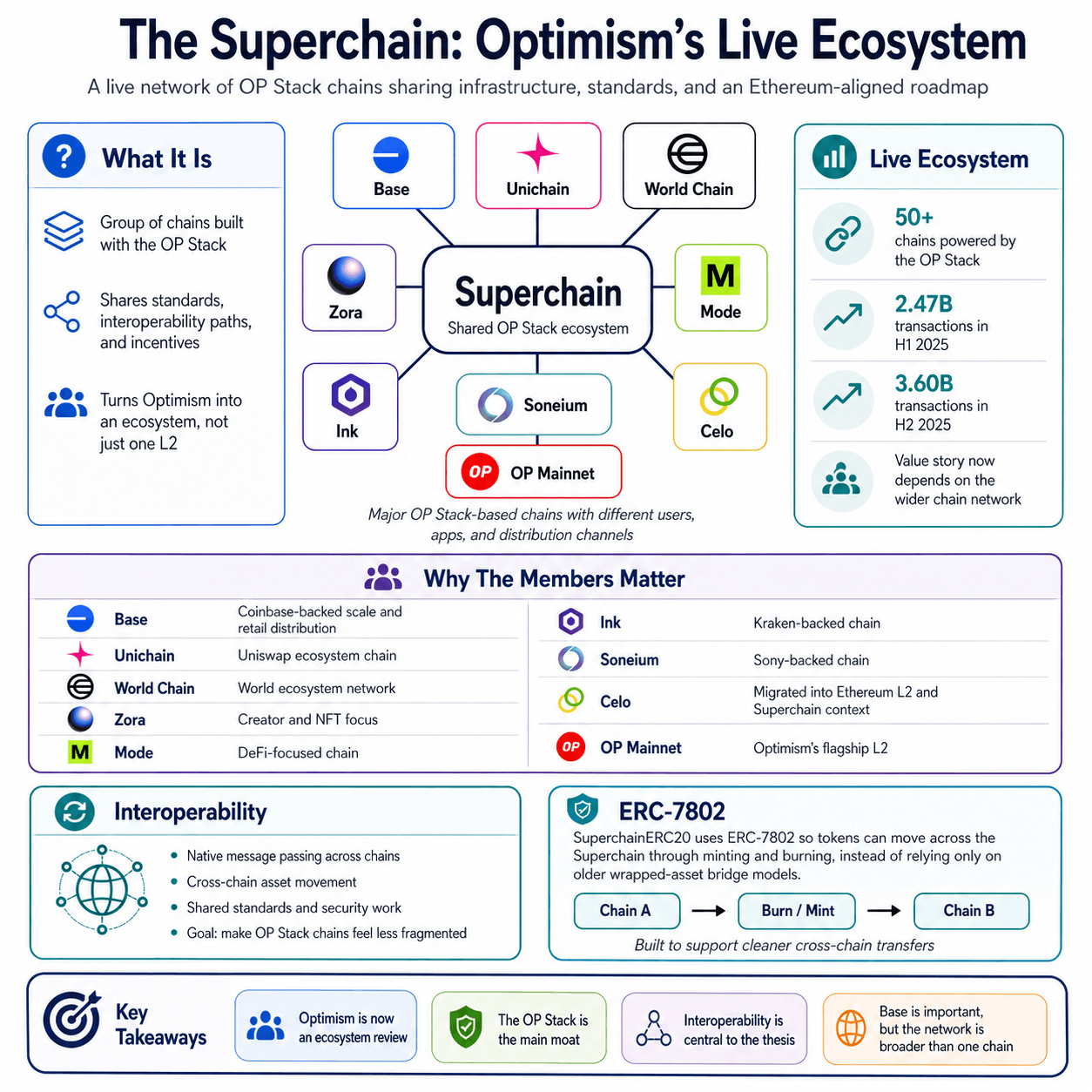
The modular Layer 2 narrative is crowded with marketing fluff that obscures the actual mechanics of the Superchain. Before committing capital or building infrastructure, you need to separate technical reality from vendor promises. Here are the most frequent weak options and misleading claims you will encounter in 2026.
"Instant Finality" is a Misnomer
Many Layer 2 providers advertise "instant finality" to attract users. This is technically inaccurate. While users see their transaction confirmed on the L2 almost immediately, true finality requires the L2 state to be anchored and verified on Ethereum mainnet. Until that bridge is crossed, the transaction remains vulnerable to reorganization or fraud proofs. This delay can range from minutes to hours depending on the specific sequencer and validity proof type. Treat "instant" as a convenience metric, not a security guarantee.
"Unlimited Scalability" Ignores Data Availability
A common trap is assuming that moving computation off-chain removes all scaling limits. It does not. Layer 2s still rely on Ethereum's data availability layer to post transaction calldata or blobs. If the L2 generates more data than Ethereum can process, fees on the mainnet spike, which directly increases costs for the L2. Scalability is hard-capped by Ethereum's block space and blob capacity. Any claim suggesting otherwise ignores the physical constraints of the base layer.
"Seamless Interoperability" is Still Fragmented
The Superchain thesis promises a unified ecosystem, but cross-chain messaging remains fragmented. Different L2s use different messaging protocols (like OP Stack's native messaging vs. third-party bridges). Users often face high gas fees and long wait times when moving assets between chains that are not natively integrated. "Seamless" experience usually requires using specific aggregators or accepting significant technical debt. True interoperability is still a work in progress, not a solved problem.
Superchain thesis: what to check next
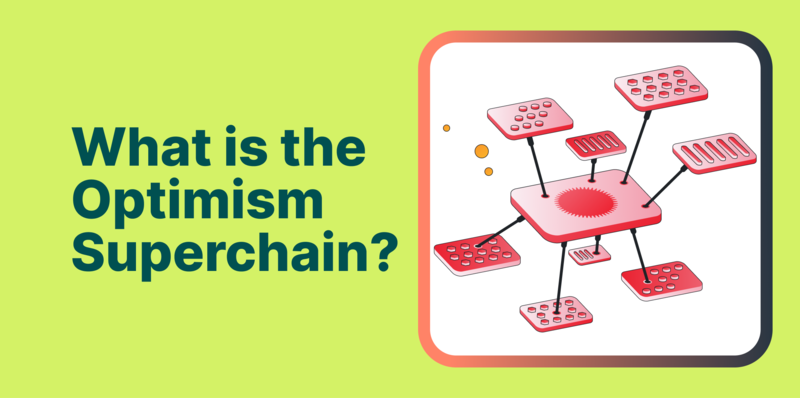
The modular Layer 2 landscape shifts quickly, especially with the OP Stack driving the superchain narrative. Before committing capital or infrastructure, it helps to separate the engineering reality from the marketing narrative. Here are the most common practical objections regarding scalability, interoperability, and security.
Is the superchain just a collection of separate L2s?
Technically, yes, but functionally they share a unified sequencer stack and block space. This architecture allows for near-instant finality between chains, making cross-chain interactions feel like a single network rather than a series of bridge hops.
How does liquidity fragmentation affect the superchain?
Liquidity remains siloed within individual chains by default. While the superchain thesis aims for composability, users still need to bridge assets manually or use third-party aggregators. True unified liquidity requires significant adoption of native bridging protocols.
What are the security risks of shared sequencers?
Centralized sequencers create a single point of failure. If one chain’s sequencer goes offline, it can delay finality for connected chains. Decentralized sequencing is the long-term goal, but current implementations rely heavily on trusted operators.
Can existing L1s join the superchain?
Yes, the OP Stack is designed to be chain-agnostic. However, integrating a mature L1 involves complex state synchronization and governance changes. Most early adopters are new L2s built specifically for the stack, not established Layer 1s migrating.
No comments yet. Be the first to share your thoughts!