Defining the superchain thesis 2026
The superchain thesis 2026 represents a structural shift in how Ethereum scales. It moves beyond the early era of isolated Layer 2 networks, where each chain operated as a silo with its own security assumptions and fragmented liquidity. Instead, the thesis envisions a unified modular ecosystem where multiple L2s share a common security layer and interoperability standard. This architecture, primarily driven by the OP Stack, allows new chains to launch with the same robust security guarantees as the base layer without reinventing the wheel.
In this model, individual chains are no longer standalone entities but rather specialized modules within a larger network. They share sequencer infrastructure, data availability, and settlement layers. This cohesion reduces friction for developers and users, enabling seamless asset movement and consistent user experiences across the entire ecosystem. The result is a network that scales horizontally while maintaining the decentralization and security that define Ethereum.
This evolution is critical for long-term scalability. By standardizing the underlying technology, the superchain model allows for rapid innovation and deployment of new use cases without compromising on security. It transforms Ethereum from a single-chain settlement layer into a vast, interconnected network of specialized blockchains, each contributing to the overall capacity and utility of the system.
OP Stack as the modular backbone
The OP Stack is the standardized software framework that powers the Superchain thesis. Instead of each Layer-2 chain building its own node software from scratch, developers now use the same open-source codebase maintained by Optimism. This shared foundation turns independent rollups into a unified network of modular chains.
Every chain built on the OP Stack shares the same execution environment. This means that smart contracts, user interfaces, and developer tools can interact across chains with minimal friction. A developer writing for one OP Stack chain can often deploy to another with little to no code changes.
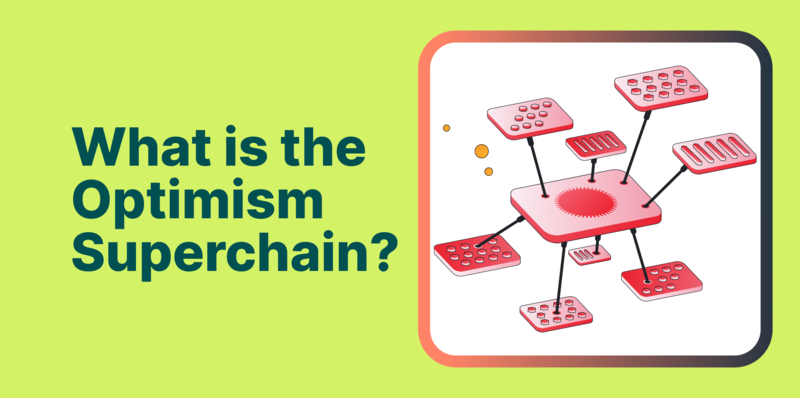
Beyond execution, the stack standardizes how transactions are sequenced and settled. This uniformity allows for cross-chain messaging and shared liquidity pools that feel native to the user. It effectively creates a single, cohesive experience across multiple distinct blockchains.
By using a common codebase, the community can audit and improve security protocols once and benefit everywhere. This reduces the risk of unique vulnerabilities in individual chains and ensures that security upgrades propagate through the network efficiently.
This modularity is what allows the superchain to scale horizontally. As new chains join the ecosystem, they inherit the security, liquidity, and developer tools of the entire network. The result is a resilient infrastructure where innovation on one chain benefits all others.
Key L2s driving the 2026 superchain
The modular L2 thesis relies on a network of specialized chains rather than a single monolithic solution. In 2026, the ecosystem is defined by distinct architectural choices that balance decentralization, speed, and developer experience. The following chains represent the primary drivers of this shift, each optimizing for a different aspect of the superchain vision.
Base
Base operates as a high-throughput settlement layer with a focus on user accessibility. It leverages the OP Stack to maintain compatibility with the broader Ethereum ecosystem while prioritizing low transaction costs. Base’s growth is largely driven by its integration with Coinbase, providing a frictionless on-ramp for millions of users. This approach emphasizes scale and adoption over immediate decentralization, positioning it as the consumer-facing pillar of the superchain.
Optimism
Optimism serves as the foundational infrastructure for the superchain model. By pioneering the OP Stack, it has enabled other chains to launch with minimal friction. Its roadmap includes the Superchain-1.0 upgrade, which aims to introduce shared sequencing and enhanced data availability. Optimism’s role is less about raw consumer volume and more about providing the modular standards that allow other L2s to interoperate seamlessly.
Mode
Mode focuses on capital efficiency and sustainable yield generation for its users. It differentiates itself by offering a unique tokenomics model that rewards users for providing liquidity and securing the network. Mode’s architecture is designed to attract institutional capital by offering predictable returns and robust security guarantees. It represents the financial optimization pillar of the superchain, targeting users who prioritize yield and capital efficiency.
World Chain
World Chain is emerging as a key player in the decentralized sequencing space. It inherits decentralization timelines from the Optimism Superchain and plans to integrate shared sequencing via Espresso Systems in 2026. This approach aims to reduce reliance on centralized sequencers, enhancing the censorship resistance of the network. World Chain’s focus on decentralized infrastructure makes it a critical component for the long-term resilience of the superchain ecosystem.
Comparison of Leading Superchain L2s
The table below summarizes the core metrics and architectural features of the leading L2s. These distinctions highlight how each chain contributes to the broader modular thesis.
| Chain | Primary Focus | Sequencer Model | Key Feature |
|---|---|---|---|
| Base | Consumer Scale | Centralized | Coinbase Integration |
| Optimism | Infrastructure | Centralized (Transitioning) | OP Stack Pioneer |
| Mode | Capital Efficiency | Centralized | Sustainable Yield |
| World Chain | Decentralization | Shared (Espresso) | Decentralized Sequencing |
Ethereum's Value Under the Superchain Lens
The superchain thesis reshapes Ethereum's role from a standalone settlement layer into the foundational trust anchor for a network of modular rollups. This shift impacts liquidity distribution and gas economics across the ecosystem. Instead of competing for block space, rollups like Optimism, Arbitrum, and Base settle on Ethereum mainnet, which remains the most secure and decentralized state root provider.
Liquidity Fragmentation and Consolidation
Modular design creates a tension between fragmentation and consolidation. While individual L2s host their own liquidity pools, the shared security model encourages cross-chain interoperability protocols. This reduces the "island" effect seen in earlier multi-chain eras. Users benefit from unified liquidity access, but developers must navigate complex bridging standards. The result is a more efficient capital allocation, though it requires robust infrastructure to manage cross-chain state.
Gas Cost Dynamics
Ethereum mainnet gas fees are no longer the primary transaction cost for end-users. Instead, they represent the cost of data availability and security. L2s pay for this via blob space (EIP-4844), which has dramatically reduced settlement costs. For users, this means near-zero fees for transactions, while the economic value accrues to Ethereum validators who secure the data. This model decouples user experience from base-layer congestion, allowing Ethereum to scale without sacrificing decentralization.
Market Implications
The market views Ethereum not just as a cryptocurrency, but as a global settlement rail. The superchain architecture reinforces this by enabling specialized chains for gaming, finance, or social applications, all secured by Ethereum. This specialization attracts new user segments without diluting the core security model. As adoption grows, the demand for ETH as a staking asset and gas currency remains tied to the health of this modular ecosystem.
The Anti-Superchain Thesis
The modular L2 vision faces a distinct headwind: the fear that shared sequencing and centralized sequencers create a single point of failure. Critics argue that the "superchain" model, which relies on shared infrastructure like OP Stack or Arbitrum Nitro, concentrates too much power in the hands of a few operators. This centralization risk is the primary driver behind the "anti-superchain" movement, which advocates for fully independent, sovereign chains rather than interconnected ecosystems.
At the heart of this debate is the trade-off between composability and security. Proponents of the superchain argue that shared standards lower barriers to entry and enable seamless asset transfers. However, skeptics point out that if one layer in the chain is compromised, the entire ecosystem could be vulnerable. This concern is particularly acute for newer L2s that inherit decentralization timelines from their parent chains, as seen with World Chain’s reliance on Espresso Systems for shared sequencing in 2026.
Bridging and Security Risks
Beyond centralization, the technical fragility of cross-chain bridges remains a significant hurdle. As L2s proliferate, the number of bridging points increases exponentially, each representing a potential attack vector. While optimistic rollups offer security guarantees, they do not eliminate the risk of smart contract exploits or governance attacks on bridge contracts.
The industry is responding with improved cryptographic proofs and decentralized sequencer networks, but these solutions are not yet universally adopted. For investors and developers, this means that the "superchain" promise of seamless interoperability is still theoretical in many cases. The 2026 landscape will likely see a divergence between "superchain"-aligned L2s and independent chains, each catering to different risk tolerances.
No comments yet. Be the first to share your thoughts!