The Superchain Thesis in 2026: A Practical View
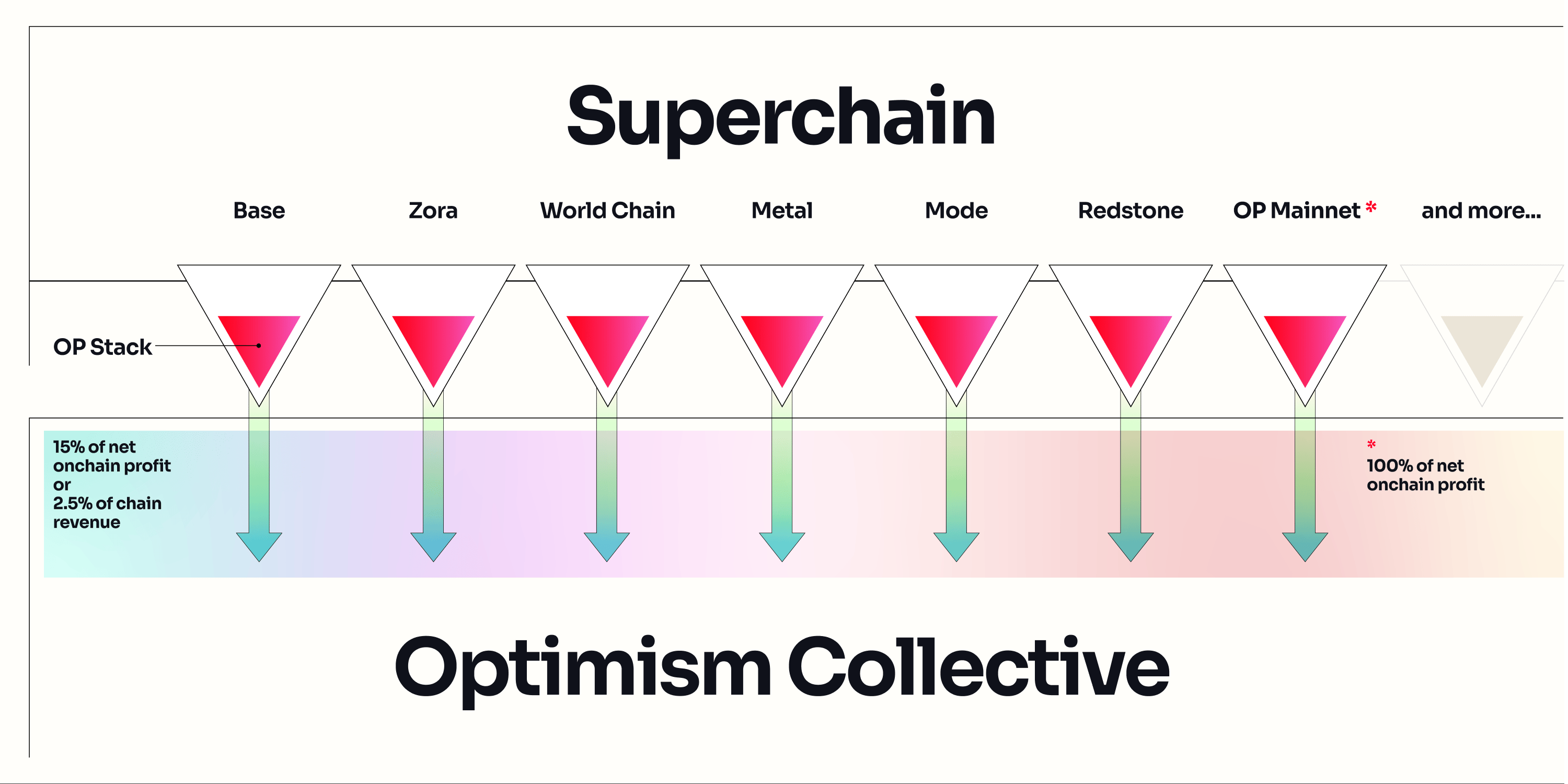
The superchain thesis in 2026 is no longer a theoretical experiment; it is the underlying architecture for institutional-grade interoperability. By treating multiple Layer 2 networks as a single, cohesive ecosystem rather than isolated silos, the model solves the fragmentation that has plagued crypto adoption for years. Instead of forcing users to bridge assets across incompatible chains, the superchain standard allows for native, instant value transfer between networks that share the same underlying protocol stack.
This approach relies heavily on shared sequencer infrastructure and standardized messaging protocols. When networks like Arbitrum One and Optimism operate on the same OP Stack or similar modular frameworks, they can communicate without the friction of third-party bridges. For institutions, this reduces counterparty risk and simplifies compliance. A transaction that starts on one chain can settle on another with cryptographic certainty, mimicking the seamless experience of traditional banking systems.
However, the thesis faces real-world constraints. Centralization risks remain if a single entity controls the majority of sequencers across the superchain. Additionally, governance fragmentation can slow down upgrades, as different L2s may vote on changes at different speeds. The 2026 landscape demands that users and enterprises verify which L2s are truly interoperable and which are merely branded as such. Understanding these technical tradeoffs is essential for deploying capital safely in a multi-chain future.
Superchain thesis 2026 choices that change the plan
The move toward a unified Superchain is no longer just a developer experiment; it is a structural shift in how institutional capital accesses liquidity. As the ecosystem expands from a single chain to a dozen production networks like Base and World Chain, the value proposition rests on seamless interoperability. However, this standardization introduces specific tradeoffs that institutional evaluators must weigh before committing capital.
The primary benefit is operational efficiency. By sharing the OP Stack, L2s reduce the friction of cross-chain messaging and asset bridging. For an institution managing multi-chain portfolios, this means lower custody complexity and faster settlement times. The technical overhead of maintaining separate infrastructures disappears, allowing treasury teams to focus on yield and risk rather than bridge security audits.
Yet, this consolidation creates a single point of failure for the entire ecosystem. If a critical vulnerability emerges in the shared sequencer or bridge contract, it does not affect just one chain—it jeopardizes the entire Superchain. Institutional risk models must account for this systemic correlation. Diversification across different L2 families (e.g., Arbitrum vs. Optimism) remains a hedge against Superchain-specific outages or governance failures.
To evaluate these tradeoffs, consider the following factors:
| Factor | Benefit | Risk |
|---|---|---|
The decision to adopt Superchain standards ultimately depends on an institution's risk appetite. Those prioritizing speed and cost-efficiency may accept the correlated security risks. Others may prefer isolated chains for maximum resilience, even at the cost of higher operational friction. As the 2026 landscape solidifies, the ability to navigate these tradeoffs will define institutional competitiveness.
How to Choose an Interoperable L2 for Institutional Adoption
Institutional adoption of the 2026 Superchain Standard requires moving beyond theoretical interoperability to practical, auditable execution. The decision framework below outlines the critical steps for selecting an L2 that balances liquidity access, security guarantees, and operational compliance. This process transforms abstract "superchain" benefits into concrete infrastructure choices.
Verify that the L2 supports deep liquidity pools for institutional-grade assets like tokenized treasuries or stablecoins. Shallow pools introduce slippage risks that are unacceptable for large-scale capital deployment. Prioritize chains with native bridges to Ethereum mainnet that have demonstrated high throughput during stress tests.
Institutional custody requires predictable finality times and robust security models. Check if the L2 inherits Ethereum’s security via optimistic rollup or ZK proofs, and assess the slashing conditions for validators. Avoid chains with opaque governance structures or reliance on centralized sequencers without decentralized fallbacks.
The L2 must offer native support for compliance protocols, such as permissioned pools or identity verification layers. Institutional players need clear audit trails and the ability to freeze or restrict assets under regulatory orders. Evaluate the availability of KYC/AML-integrated smart contracts and legal wrappers provided by the chain’s ecosystem partners.
Seamless interaction between L2s is the core promise of the Superchain Standard. Test the ease of deploying and interacting with cross-chain applications using standard tooling like OP Stack or similar frameworks. A mature developer ecosystem ensures faster bug fixes, better documentation, and more third-party integrations for your specific use case.
Calculate the total cost of ownership, including transaction fees, bridge fees, and gas costs for complex operations. While low fees are attractive, they should not come at the expense of reliability. Ensure the L2 can handle your expected transaction volume without significant latency spikes or network congestion.
By following these steps, institutions can systematically evaluate L2 options against their specific risk and operational requirements. The goal is not just to join a network, but to build on a foundation that supports long-term, compliant, and efficient capital deployment.
Spotting Weak Options in the Superchain Standard
The promise of the Superchain standard—interoperable Layer 2s sharing a unified security model—sounds like a fix for fragmentation. But as the ecosystem matures, several weak options are emerging that could undermine institutional adoption. Identifying these pitfalls is essential before committing capital or infrastructure.
Shared Security Without Shared Governance
Many projects claim to offer "shared security" by leveraging the OP Stack. However, without a unified governance layer, these chains often operate in silos. This creates a false sense of unity. Institutions need clear liability frameworks, which are currently absent in loosely coupled Superchain implementations. The result is a fragmented liquidity landscape that defeats the purpose of interoperability.
Liquidity Fragmentation Masquerading as Scale
Another common mistake is prioritizing chain count over liquidity depth. Some new L2s launch with minimal TVL and no clear utility, relying on the "Superchain" label to attract users. This dilutes the value proposition. For institutions, liquidity is king. A chain with 10x the users of another but 1/10th the liquidity is a weaker option, regardless of its technical claims.
Technical Complexity Over User Experience
The Superchain thesis relies on seamless cross-chain messaging. In practice, this often introduces significant technical complexity for end-users. Bridges remain a major attack surface, and gas abstraction is still inconsistent. If the user experience is more cumbersome than using a centralized exchange, the technology fails its primary test. Look for solutions that prioritize seamless UX over theoretical interoperability.
Superchain thesis 2026: what to check next
The 2026 Superchain Standard aims to unify Layer 2 scalability through shared infrastructure, but real-world fractures challenge the original vision. As the ecosystem matures, institutional adoption depends less on theoretical unity and more on practical interoperability and risk management. Below are the most common practical objections and how the current landscape addresses them.
No comments yet. Be the first to share your thoughts!