
Imagine spinning up a blockchain as easily as launching a browser tab, here for a burst of action, then closed, leaving the state perfectly synced and composable. That’s the wild promise behind MagicBlock’s Ephemeral Rollups, which are shaking up onchain scalability like a Red Bull in a paint mixer. If you’re tired of bridges, fragmented liquidity, and appchain spaghetti, get ready: disposable blockspace is here, and it’s not just for Web3 party tricks.
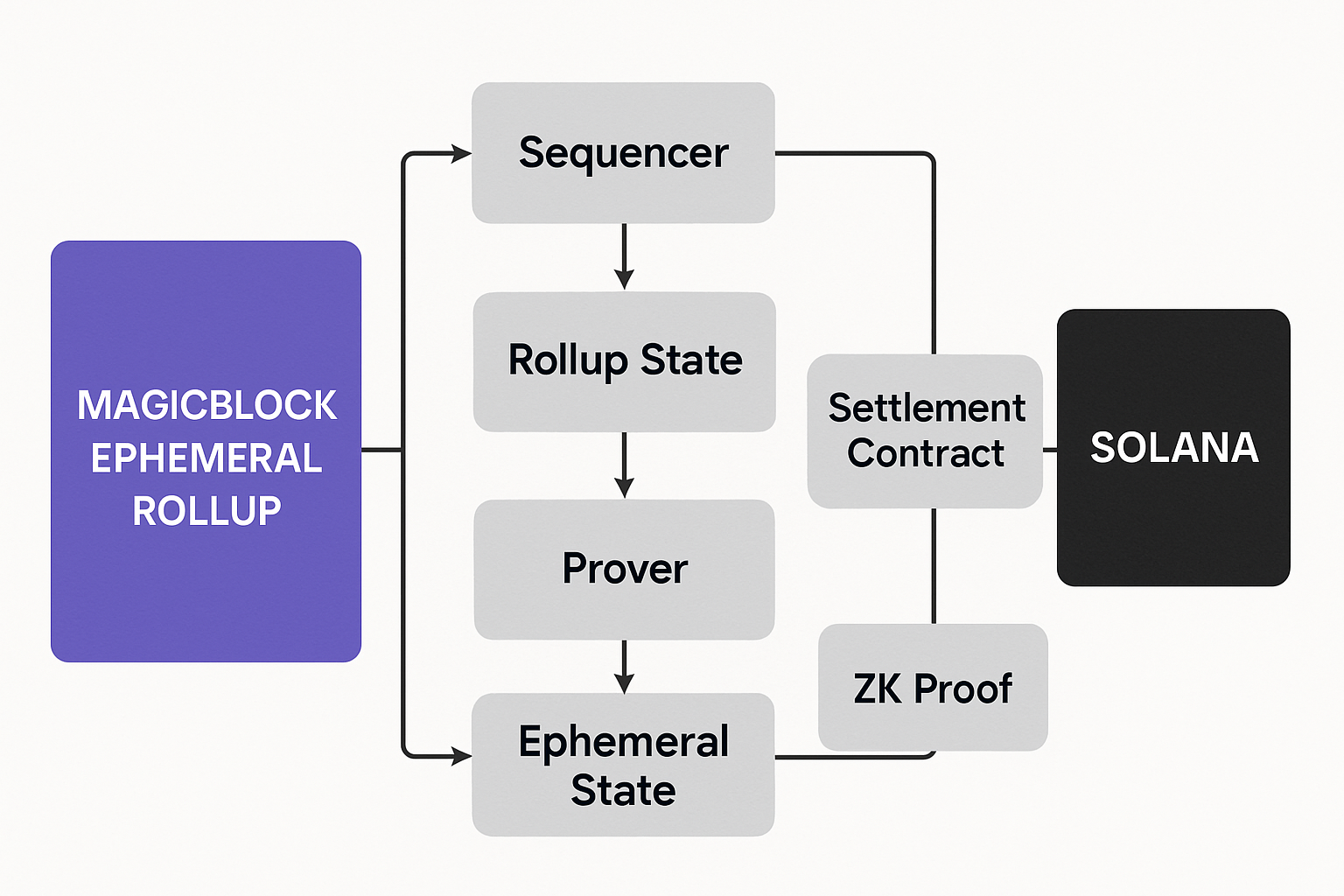
Disposable Blockspace: The New Scalability Superpower
Let’s face it, most scaling solutions feel like duct-taping a jet engine to a tricycle. Traditional L2s bring speed but at the cost of bridges, token fragmentation, and composability headaches. Enter ephemeral rollups: temporary, high-octane execution environments that plug straight into Solana’s base layer. No new tokens. No bridges. No wallet juggling act. Just pure, elastic throughput that disappears when you’re done, like a ninja at a blockchain hackathon.
What makes MagicBlock’s approach so spicy? For starters:
MagicBlock Ephemeral Rollups: Key Features
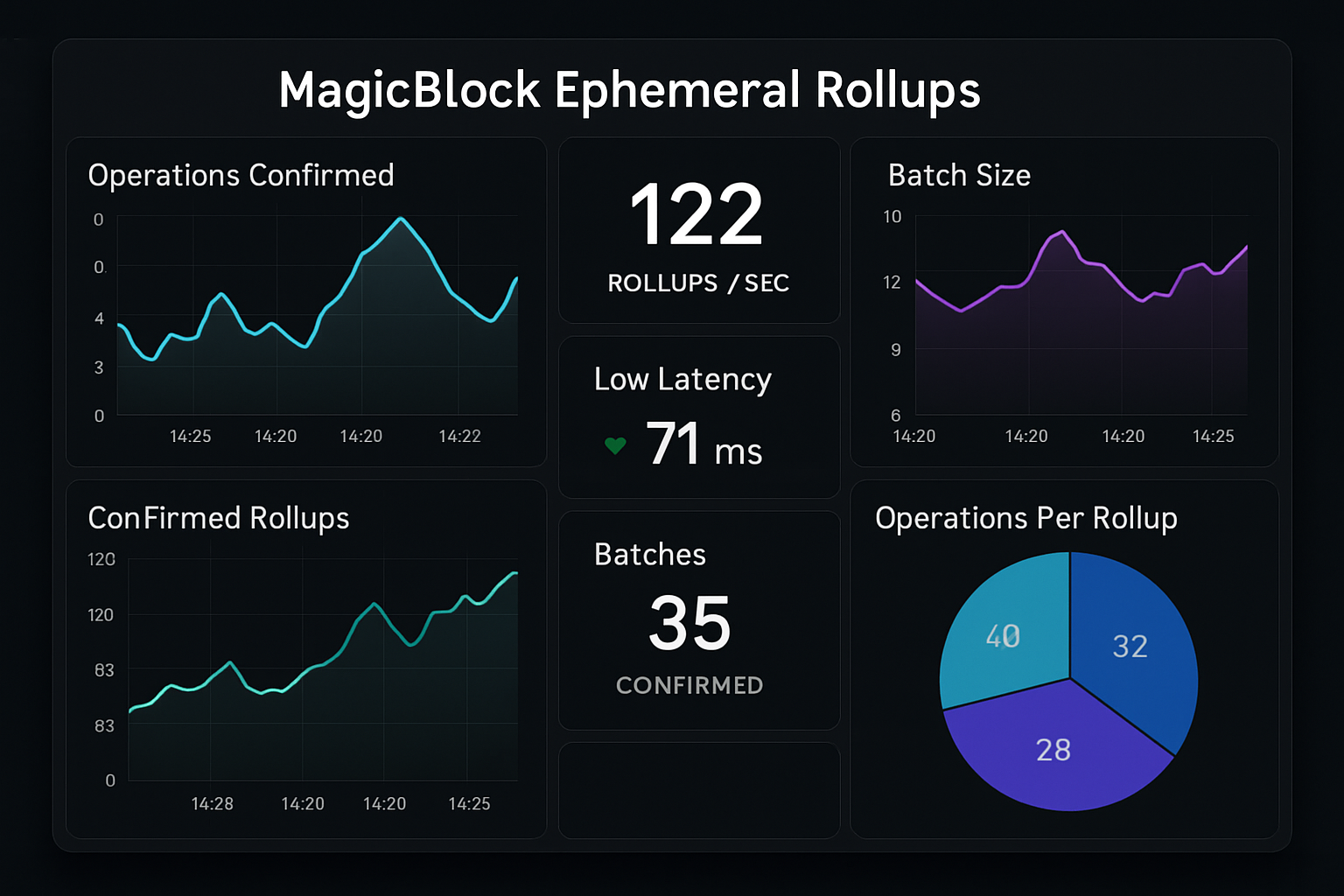
- Ultra-Low Latency: State transitions clock in at a lightning-fast ~10 milliseconds, delivering real-time responsiveness for on-chain games and high-frequency trading. Say goodbye to lag-induced rage quits!
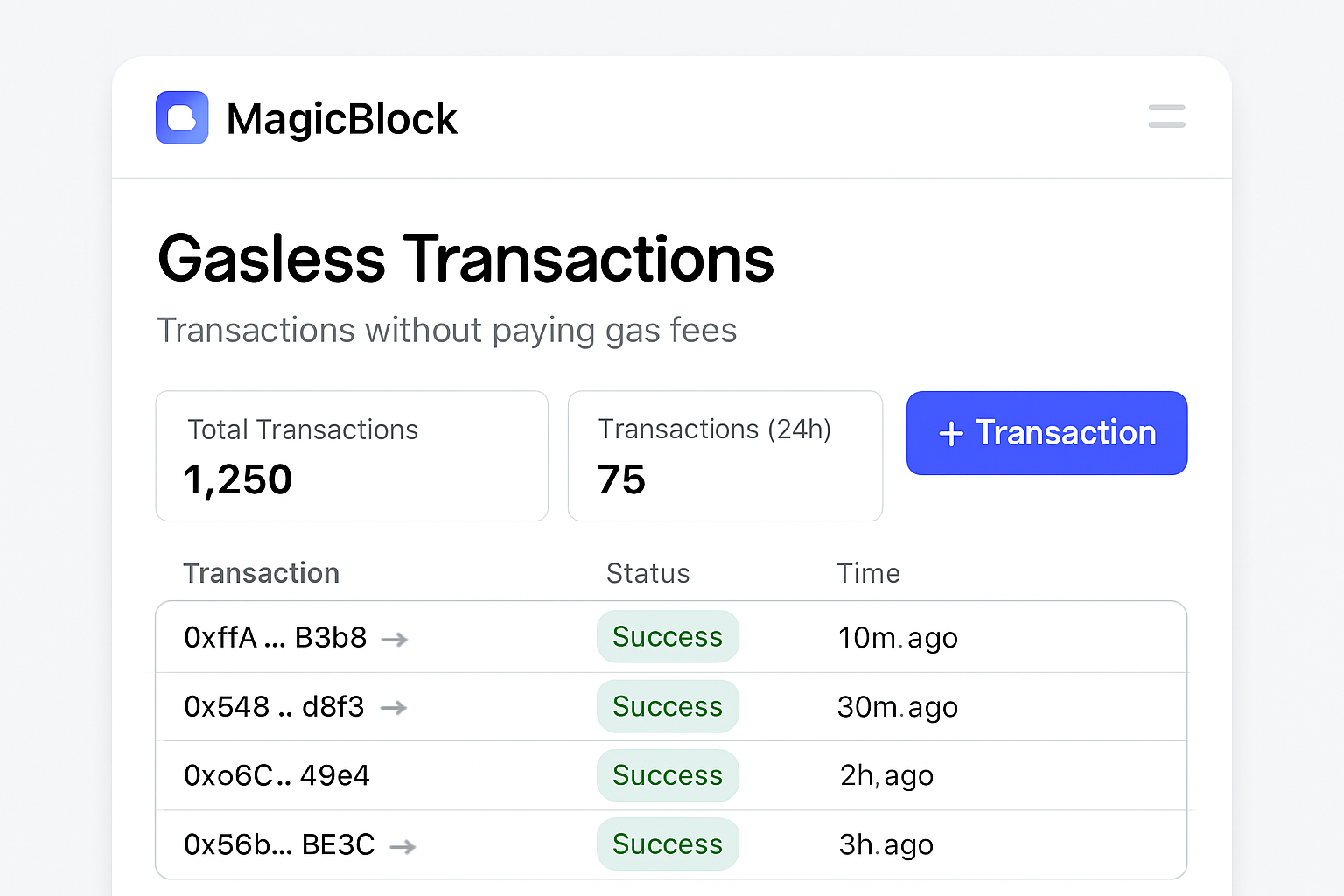
- Gasless Transactions: Enjoy zero-fee interactions, making microtransactions and mass adoption a breeze—no more gas fee anxiety for users or devs.
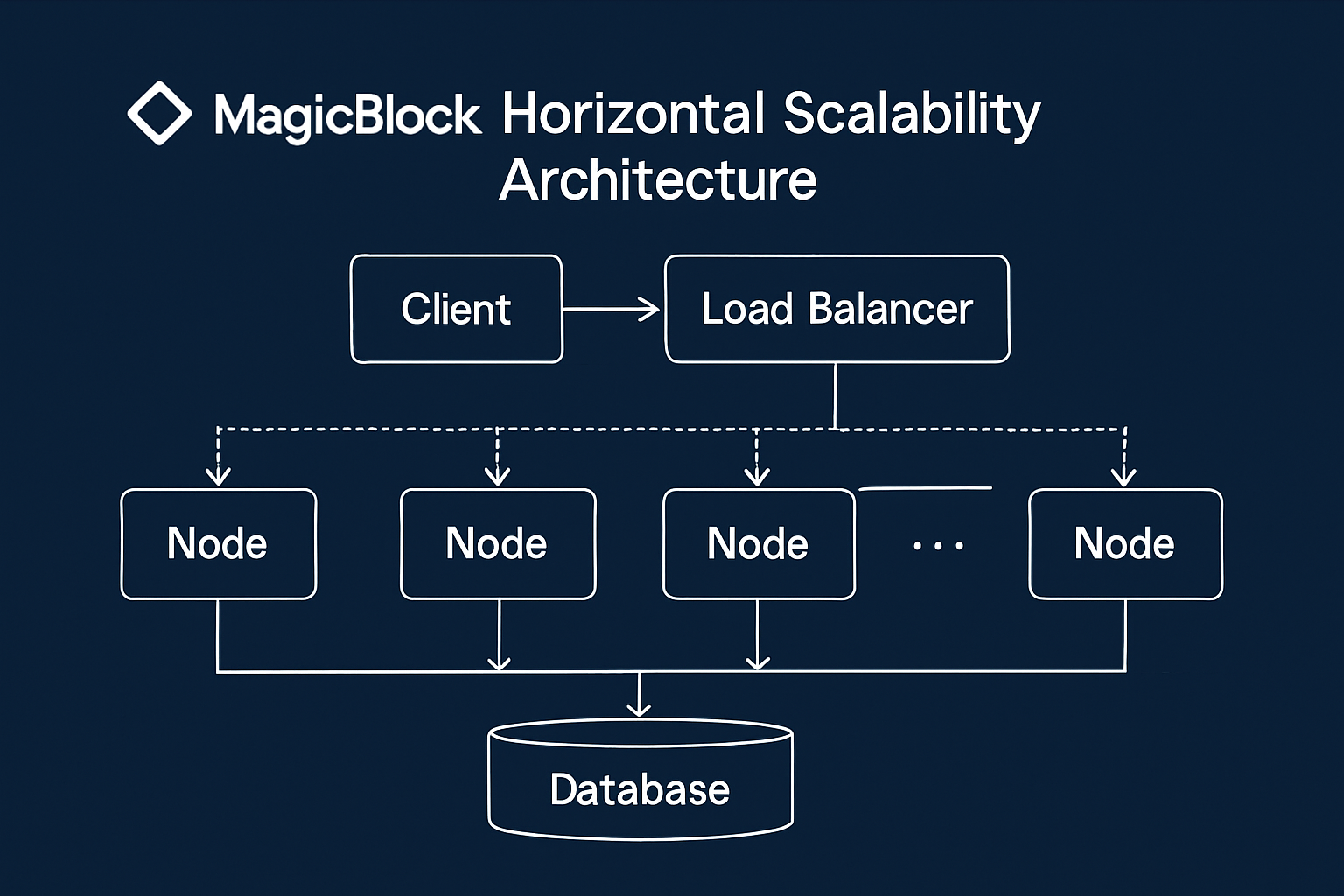
- Horizontal Scalability: Seamlessly supports millions of transactions per second by spinning up multiple rollups on demand, all while keeping everything composable on Solana.
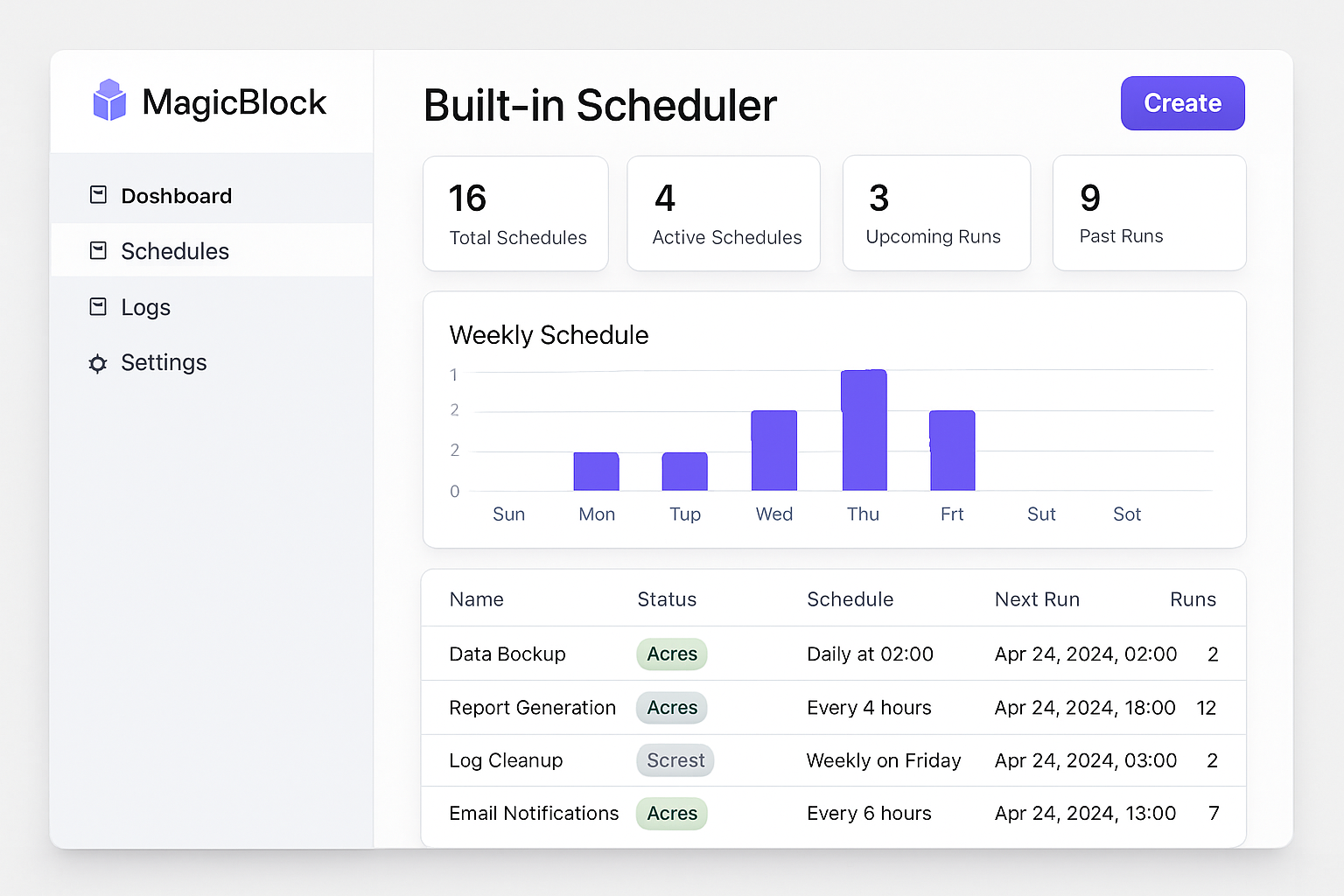
- Built-In Scheduling: Features an automated ticking mechanism for task execution, perfect for games, bots, and apps that need things to just... tick.
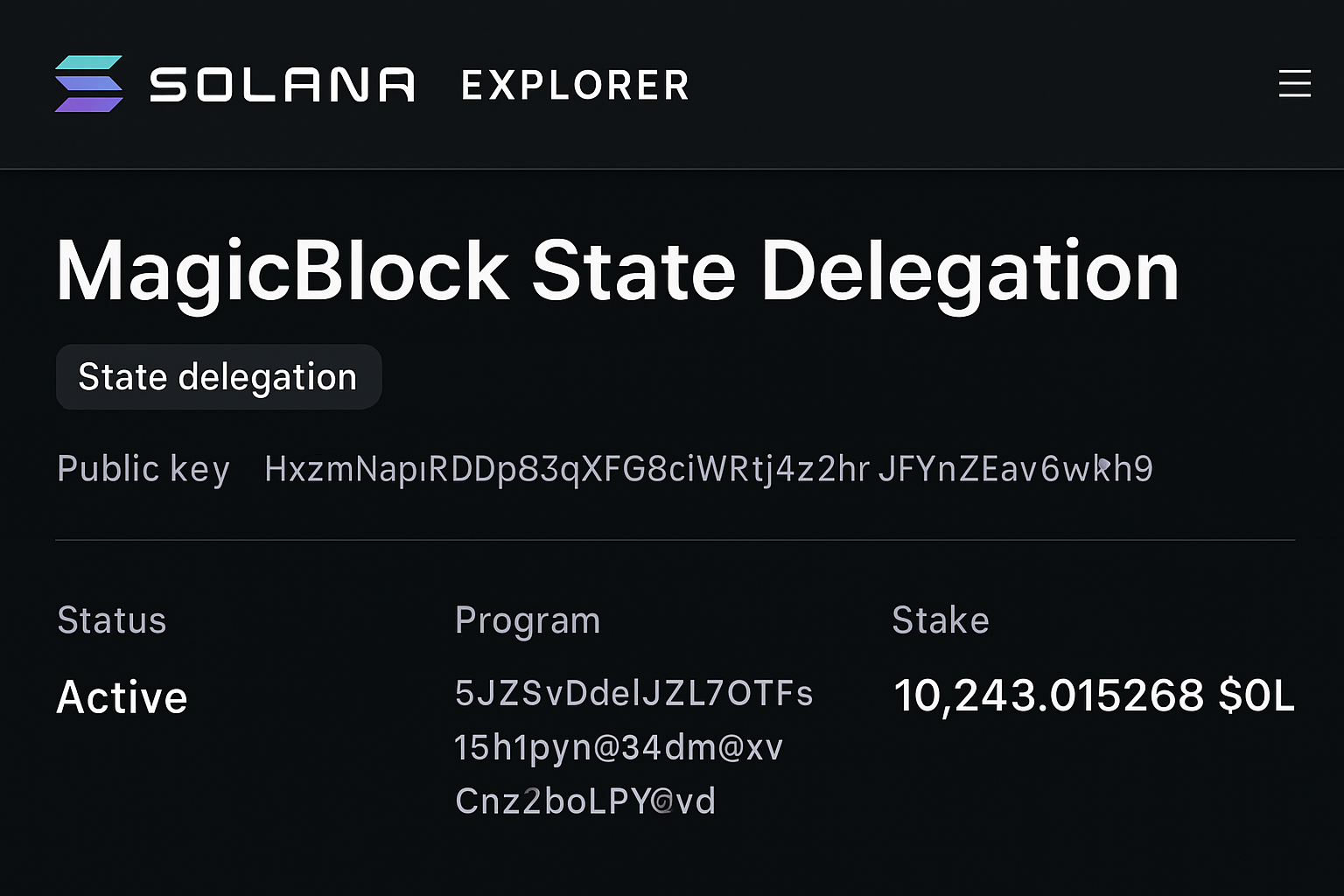
- Transparent State Access: Delegated accounts remain readable on Solana’s base layer, so you get scalability without sacrificing composability or transparency.
- Developer-Friendly: Fully compatible with Solana tooling (Anchor, Rust, C), so you can build fast without learning a new language or rewriting everything from scratch.
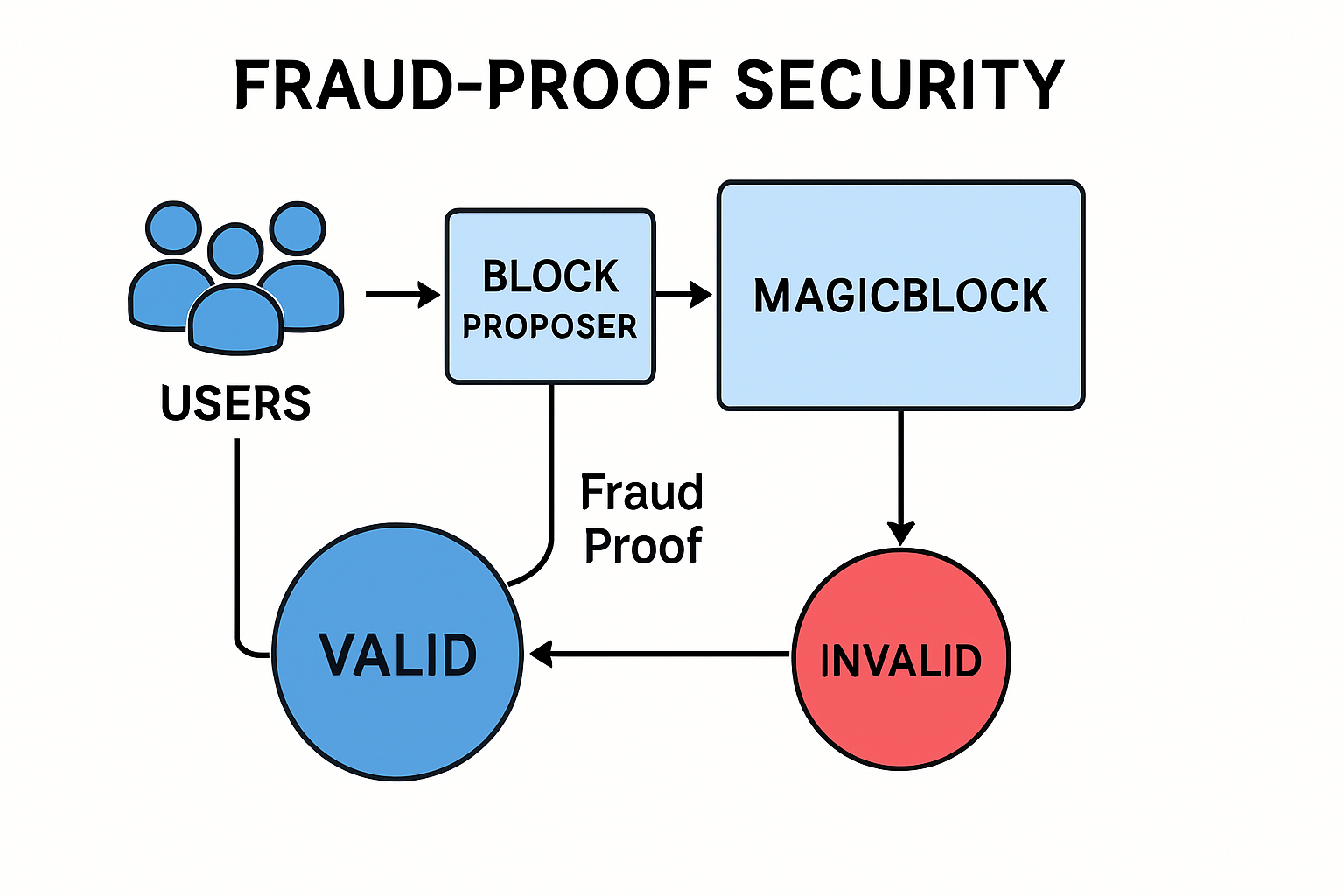
- Secure Settlement: Uses a dynamic fraud-proof mechanism to periodically commit state changes back to Solana, keeping your assets safe and sound.
- Seamless User Experience: No bridges, no new tokens, and one wallet to rule them all—users interact directly with Solana, not some fragmented side universe.
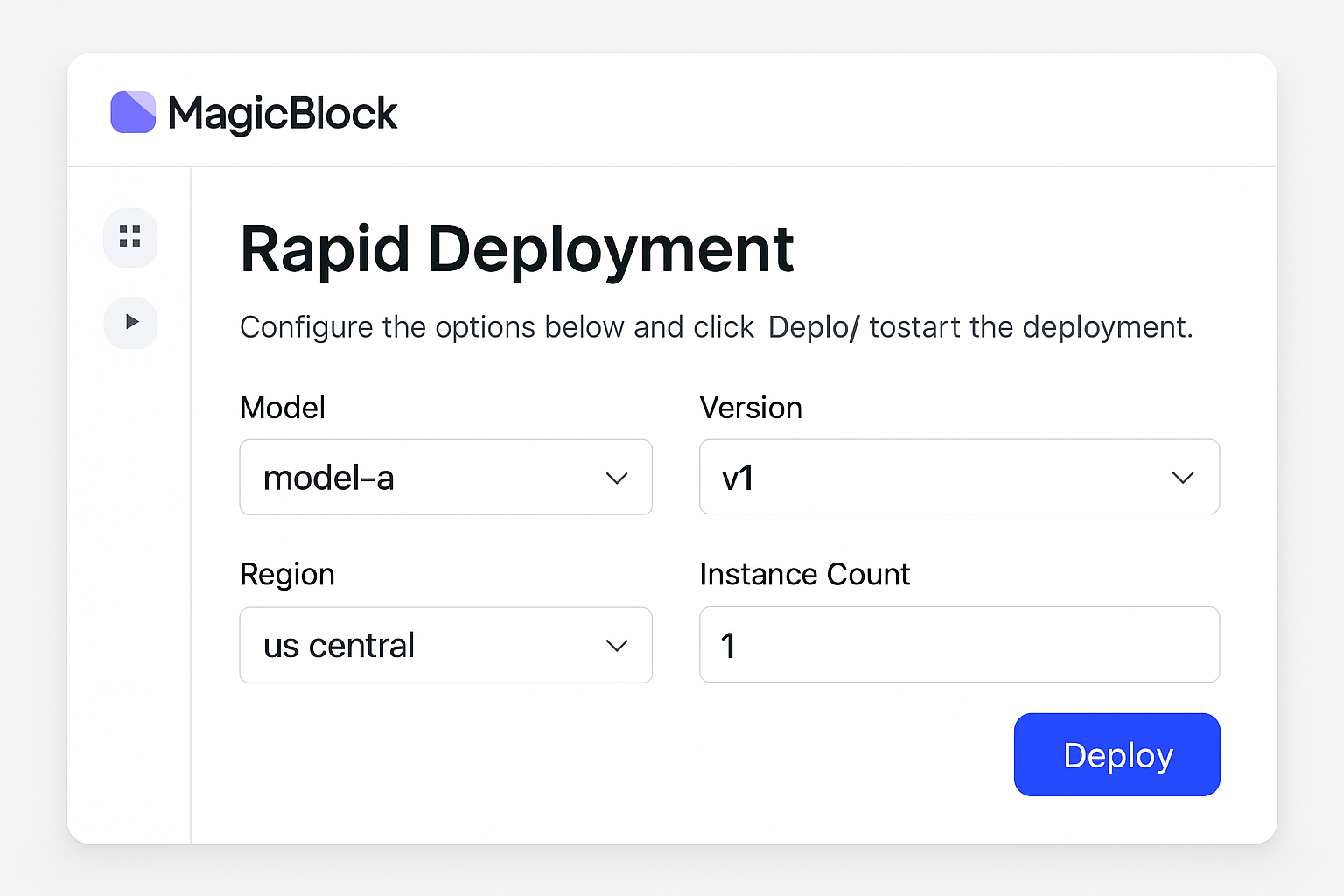
- Rapid Deployment: Deploy your own ephemeral rollup in minutes, not weeks. Perfect for hackathons, experiments, or just showing off to your dev friends.
These aren’t just abstract benefits, MagicBlock is already powering real-world use cases like high-frequency trading bots, DeFi flash auctions, and fully onchain games that make even the most hardened L1s sweat. We’re talking state transitions in ~10 milliseconds, gasless transactions, and the ability to handle millions of TPS by spinning up as many ephemeral rollups as needed. Scalability just went from “horizontal” to “elastic. ”
How MagicBlock Ephemeral Rollups Actually Work (Without the Hype)
So how do these disposable chains avoid the usual tradeoffs? It all starts with state delegation. Developers temporarily delegate state accounts to an ephemeral rollup using MagicBlock’s Delegation Program. They specify who can validate, how long the rollup lasts, and how often it syncs back with Solana. It’s like booking a private blockchain lane at your favorite bowling alley, except this lane vanishes when you’re done, and your score (state) is instantly available on Solana for anyone to use.
The real magic happens with smart routing: MagicBlock’s Magic Router inspects transaction metadata and decides whether it should run on Solana’s base layer or get turbocharged inside an ephemeral rollup. Transactions executed in these rollups enjoy ultra-low latency and zero fees, perfect for microtransactions or gaming loops where every millisecond counts. Once finished, all changes are securely committed back to L1 using dynamic fraud proofs, so security isn’t sacrificed for speed. When the job’s done, state undelegation returns everything to Solana, composable as ever.
Why Ephemeral Rollups Matter Now
The timing couldn’t be better. As onchain games push for real-time responsiveness and DeFi protocols demand split-second execution, traditional rollup models are starting to show their age. MagicBlock’s ephemeral rollups offer:
- Synchronous settlement: no more waiting for bridges or finality lags
- Unified liquidity: all assets stay native to Solana
- Seamless UX: one wallet, no headaches
- Customizable runtimes: tailor execution environments per app
- Instant deployment: go from code to chain in minutes
It’s not just theory, these features are already making waves in live dApps. If you want a deep dive into how ephemeral rollups compare with sidechains or appchains (spoiler: they usually win), check out this breakdown of temporary app chains on Solana.
If you’re building anything that needs blockbuster throughput without sacrificing composability or user experience (think OP Superchain gaming or flash auctions), ephemeral rollups could be your new best friend, or at least your favorite disposable tool.
But let’s zoom out for a second. The implications of disposable blockspace go way beyond just games and DeFi. MagicBlock’s ephemeral rollups unlock new design patterns for Web3: flash events, pop-up DAOs, real-time voting, and even ephemeral metaverse experiences. Basically, if your app needs a burst of compute without polluting the blockchain with permanent cruft, this is your toolkit. It’s like serverless for blockchains, but with the security and composability of Solana baked in.
What Does This Mean for Developers and Users?
For developers, the learning curve is refreshingly flat. You keep your favorite Solana tools (Anchor, Rust, C) and deploy ephemeral rollups with a few lines of config. No need to beg for custom L2s or wrangle new tokens. And because state is always readable on the base layer, you get the best of both worlds: speed when you need it, composability when you want it.
For users, the benefits are immediate and obvious. No more switching wallets or getting lost in bridge limbo. Every transaction feels instant, every micro-action is free, and your assets never leave the safety of Solana. It’s the kind of UX that makes normies forget they’re even using a blockchain, until they peek under the hood and see the magic at work.
Real-World Use Cases Unlocked by Ephemeral Rollups
- Real-Time On-Chain Gaming: Ephemeral Rollups enable fully on-chain games like FOC (Fully On-Chain) games to deliver real-time responsiveness and gasless microtransactions. This means players can enjoy fast-paced action and seamless gameplay without lag or wallet pop-ups every five seconds.
- High-Frequency Trading (HFT) Platforms: With ultra-low latency (≈10ms) and instant settlement to Solana, Ephemeral Rollups make it possible to run decentralized HFT bots and trading strategies that previously required centralized speed. Solana-based HFT apps can now compete with Wall Street's finest—minus the suits.
- Massively Scalable DeFi Protocols: DeFi apps like decentralized exchanges (DEXs) and automated market makers (AMMs) can leverage horizontal scaling to process millions of swaps per second without fragmenting liquidity or requiring bridges. Think Solana DEXs with turbo boosters.
- Gasless NFT Drops & Auctions: Ephemeral Rollups allow for zero-fee, high-speed NFT minting and auctions directly on Solana. Projects can launch massive NFT drops without users battling gas wars, bots, or broken dreams.
- Automated On-Chain Scheduling: Thanks to the built-in ticking mechanism, apps can automate recurring tasks—like subscription payments, on-chain lotteries, or scheduled airdrops—with precision timing and zero manual intervention.
- Privacy-Preserving Applications: Ephemeral Rollups can be customized for private execution of sensitive transactions, such as private auctions or confidential DeFi trades, while still settling securely to Solana's base layer.
Security is always top of mind, so let’s address the elephant in the room: how do ephemeral rollups stay safe when they’re, well, ephemeral? The answer lies in MagicBlock’s dynamic fraud-proof window and light client system. Rollups post periodic state roots back to Solana, and any funny business can be challenged before finality. It’s like having an always-on bouncer for your pop-up blockchain party.
And don’t overlook the economics. With gasless transactions and near-zero deployment costs, MagicBlock is making it feasible to launch high-frequency dApps without breaking the bank, or your user base’s patience. When every click costs nothing and settlement is instant, new business models become possible: pay-per-play games, real-time auctions, and onchain social apps that actually scale.
If you’re hungry for more technical nitty-gritty, I highly recommend checking out this deep dive on ephemeral rollup architecture. You’ll find diagrams, code snippets, and enough detail to satisfy even the most jaded protocol nerd.
Where Are Ephemeral Rollups Headed Next?
The superchain vision is all about seamless interoperability, and ephemeral rollups fit right in. Imagine a future where OP Superchain gaming sessions spin up disposable MagicBlock rollups for real-time tournaments, or zk proof rollup use cases leverage ephemeral chains for privacy-preserving auctions. Ethereum itself could see ephemeral rollup pilots for flash events or gasless onboarding.
The bottom line? MagicBlock’s disposable chains aren’t just a clever hack, they’re a new primitive in the onchain scalability toolkit. If you’re building for the next wave of Web3 adoption, ignore ephemeral rollups at your own risk.
Would you use MagicBlock's Ephemeral Rollups for your next dApp?
MagicBlock's Ephemeral Rollups offer ultra-low latency, gasless transactions, and seamless integration with Solana—enabling scalable, high-performance decentralized apps without fragmented liquidity or complex bridges. Would you consider building your next dApp with this technology?
The future of onchain scalability isn’t about picking one chain to rule them all, it’s about elastic infrastructure that adapts to every use case, big or small, permanent or fleeting. MagicBlock’s ephemeral rollups are proof that sometimes, the best blockspace is the kind you can throw away.




No comments yet. Be the first to share your thoughts!