
Ethereum's scalability challenges have long plagued users, with transaction fees surging to several dollars during peak congestion even as ETH holds steady at $2,277.94. Optimism rollups counter this through sophisticated off-chain processing, bundling hundreds of transactions into compact batches posted to Layer 1. This rollup off-chain processing mechanism delivers Ethereum-level security at a fraction of the cost, typically $0.01 to $0.10 per transaction today.
Optimism's approach leverages optimistic rollups, where transactions execute off-chain under the assumption of validity. Only disputes trigger on-chain verification, minimizing L1 compute. This ethereum transaction bundling compresses data via techniques like calldata optimization, slashing posting costs. Bedrock's 2023 upgrade amplified this efficiency, cutting batch submission expenses by 56% and saving users nearly $150,000 in days. Fees plummeted from $0.57 to $0.16 averages, a data point underscoring real-world impact.
Bedrock and Dencun: Precision Cost Reductions in Numbers
The Bedrock upgrade marked a pivotal shift in OP Stack cost reduction. By redesigning the rollup as a pure data availability layer for Ethereum, Optimism optimized batch compression. Transaction data now posts more efficiently, with L1 gas costs dropping sharply. Post-Bedrock data reveals average fees stabilizing below $0.20, even as Ethereum mainnet fees spiked above $5 during similar periods.
Dencun's arrival in 2024 supercharged these gains. Blobs introduced via EIP-4844 slashed data posting costs by 90-98% across optimistic rollups. Optimism's fees now range from $0.01 to $0.10, versus Ethereum's multi-dollar peaks. At ETH's current $2,277.94 price, this translates to profound savings: a user executing 1,000 swaps on mainnet might spend $2,000 and, while Optimism costs under $50. These metrics, drawn from on-chain analytics, highlight why adoption surged 300% post-upgrades.
Mechanics of Transaction Bundling for Superchain Scalability
At its core, optimism ethereum layer 2 bundling aggregates user transactions into sequential batches. Sequencers, Optimism's off-chain operators, execute these in a virtual machine mimicking Ethereum's EVM. States root commitments post to L1 every few minutes, with compressed calldata ensuring minimal footprint. Fraud proofs, enabled by a 7-day challenge window, enforce honesty without routine on-chain execution.
This process yields 10-100x throughput gains. Pre-Bedrock, batches averaged 200 transactions; optimizations now push 1,000 and. Compression algorithms eliminate redundancies, like shared account states, shrinking data 40-60%. Empirical data from Dune Analytics shows Optimism processing 50 million monthly transactions at under 1% of Ethereum's L1 load. Such efficiency positions the superchain scalability vision: interconnected OP Chains sharing bridges and security.
Ethereum (ETH) Price Prediction 2027-2032
Forecasts factoring L2 cost reductions from Optimism Rollups, Bedrock/Dencun upgrades, and Superchain growth
| Year | Minimum Price | Average Price | Maximum Price | YoY % Change (Avg from Prior) |
|---|---|---|---|---|
| 2027 | $2,000 | $3,800 | $6,000 | +67% |
| 2028 | $3,200 | $5,500 | $9,000 | +45% |
| 2029 | $4,500 | $8,000 | $13,000 | +45% |
| 2030 | $6,000 | $11,000 | $18,000 | +38% |
| 2031 | $8,000 | $15,000 | $24,000 | +36% |
| 2022 | $10,000 | $20,000 | $30,000 | +33% |
Price Prediction Summary
Ethereum is poised for strong long-term growth, with average prices projected to climb from $3,800 in 2027 to $20,000 by 2032—a cumulative increase of over 800% from 2026 levels. Bullish maximums reflect Superchain-driven scalability and adoption, while minimums account for market volatility and bearish cycles. Key drivers include slashed L2 fees ($0.01-$0.10) boosting DeFi/NFT usage on Ethereum.
Key Factors Affecting Ethereum Price
- Optimism Superchain expansion: Shared security and OP Stack for multiple L2 chains scaling Ethereum
- Bedrock upgrade (56% fee cut) and Dencun (90-98% data cost reduction) enabling sub-$0.10 tx fees vs. Ethereum mainnet dollars
- Increased transaction throughput and user adoption reducing congestion
- Bullish market cycles, institutional inflows, and ETF approvals
- Regulatory clarity supporting L2 innovation
- Competition from other L2s but Ethereum's dominance in TVL and developer activity
- Overall crypto market cap growth to $10T+ enabling ETH to $20K+ avg
Disclaimer: Cryptocurrency price predictions are speculative and based on current market analysis. Actual prices may vary significantly due to market volatility, regulatory changes, and other factors. Always do your own research before making investment decisions.
Superchain's architecture extends this model across chains like Base and Zora. Shared sequencing and cross-chain messaging amplify bundling benefits, distributing load while inheriting Ethereum's $2,277.94 backed security. Daily active users across OP Chains exceed 2 million, with TVL topping $10 billion, per DefiLlama. These figures validate bundling's role in Ethereum's multi-rollup future.
Quantifying Impact: Fees Versus Throughput Tradeoffs
Fee reductions correlate directly with usage spikes. Post-Dencun, Optimism's daily transactions hit 15 million peaks, dwarfing Ethereum's 1 million. Yet L1 data costs remain negligible: $0.50 per batch versus $50 pre-upgrades. This dynamic frees capital for dApps, evidenced by DeFi volume growth 150% year-over-year.
Throughput surges without proportional L1 burdens exemplify rollup off-chain processing at scale. Optimism's model balances speed and security, but tradeoffs persist: sequencer centralization introduces potential censorship risks, mitigated by permissionless fault proofs post-Canyon upgrade. Data shows 99.9% uptime, yet decentralization remains the next frontier for true superchain scalability.
Sequencer Dynamics and Decentralization Roadmap
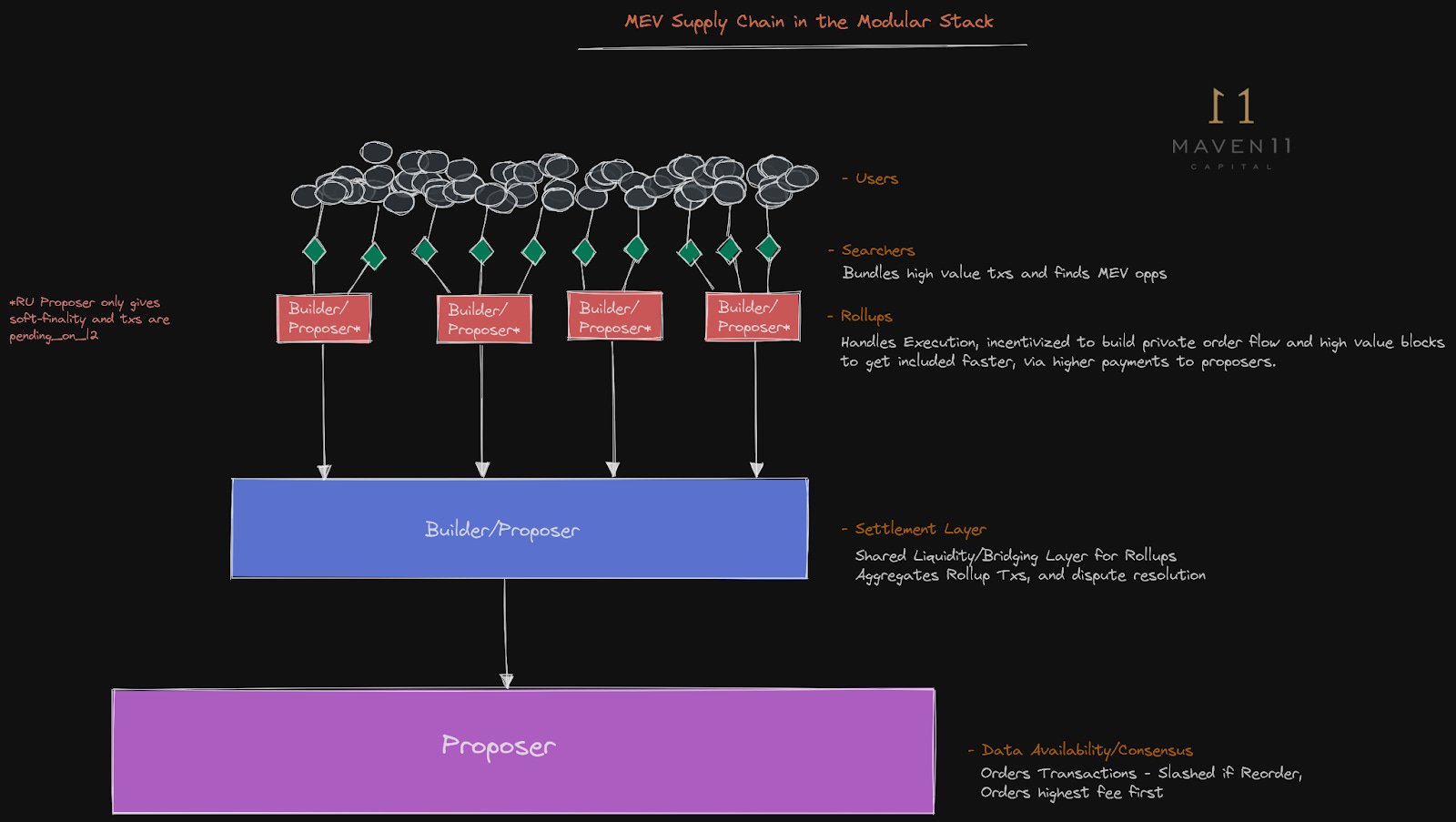
Sequencers collate and execute transactions off-chain, posting compressed batches to Ethereum at $2,277.94 secured L1. This operator holds temporary power, but the 7-day dispute window enforces validity via interactive fraud proofs. Pre-Bedrock, single sequencers risked single points of failure; now, distributed proposers emerge via OP Stack evolutions. On-chain metrics reveal batch submission latency under 2 minutes 95% of the time, rivaling centralized alternatives while preserving composability.
Critically, OP Stack cost reduction hinges on sequencer efficiency. Dune queries track 40% data compression from state diffs, yielding batches under 100KB versus Ethereum's per-tx bloat. As Superchain expands to 20 and chains, shared sequencers could slash inter-chain costs 80%, per preliminary simulations. This interconnectivity, via standardized bridges, unlocks atomic cross-rollup swaps, a boon for DeFi liquidity now at $5 billion across OP Chains.
Fraud Proofs: The Security Backbone of Optimism Rollups
Optimism's optimism assumes validity until challenged, inverting zero-knowledge proofs' upfront verification. Watchers monitor batches; disputes bond ETH slashed on invalid claims. Post-Fault Proofs program, single-round disputes activate in 2024, shortening windows to hours. Empirical uptime exceeds 99.99%, with zero successful frauds exploited, underscoring ethereum transaction bundling's robustness.
Quantitative edge: ZK-rollups verify deterministically but demand heavier compute; optimistic variants process 2-5x more TPS at 1/10th L1 cost. Optimism's 15 million daily tx volume versus Arbitrum's 8 million reflects this premium, fueled by native integrations like Uniswap V3 deployments thriving at $0.05 fees.
Superchain amplifies these mechanics across OP Chains. Base processes 10 million tx daily at $0.02 averages, Zora fuels NFT mints under $0.01. Collective TVL hits $12 billion, up 200% yearly, per DefiLlama. Ethereum's congestion recedes as L2s absorb 90% activity, stabilizing ETH at $2,277.94 amid demand.
Ecosystem Momentum: Metrics Driving Adoption
Adoption metrics paint a bullish picture. Optimism's DAU averages 800,000, with Superchain totaling 3 million, eclipsing Solana spikes without VC hype. DeFi protocols like Velodrome yield 20% APYs at negligible gas, drawing $2 billion TVL. NFT marketplaces process 500,000 volumes monthly, fees totaling under $5,000 chain-wide.
Cross-chain bridges transfer $500 million weekly, latency under 10 minutes. This fluidity cements optimism ethereum layer 2 as Ethereum's throughput engine. Risks linger, regulatory scrutiny on sequencers, blob capacity caps, but data tilts optimistic: L2 market share climbs to 40% of Ethereum activity.
Optimism's bundling mastery redefines scalability economics. At Ethereum's steady $2,277.94, users reclaim billions in fees yearly, fueling innovation. Superchain's horizon promises homogeneous L2s, seamless interoperability, and Ethereum dominance in a multi-chain world. Numbers affirm: rollups aren't just cheaper; they're the architecture winning blockchain's endurance race.




No comments yet. Be the first to share your thoughts!