Blockchain gaming and real-time decentralized applications are colliding with the limits of traditional rollup designs. Games, in particular, demand blazing-fast execution, zero friction for users, and the flexibility to spin up or down on demand. Enter ephemeral rollups: a new paradigm that’s rapidly redefining how we think about scalability and user experience in web3. MagicBlock’s approach to ephemeral rollups is already making waves in the Solana ecosystem, offering an instant, gasless, and composable execution layer purpose-built for games and other temporary use cases.
What Are Ephemeral Rollups? The Temporary Blockchain Revolution
Ephemeral rollups are short-lived, high-throughput blockchains that exist only as long as needed. Unlike traditional L2s or permanent appchains, these disposable rollup chains are spun up for specific events, think game sessions or flash auctions, and then gracefully sunset once their job is done. This design unlocks several advantages:
Key Benefits of Ephemeral Rollups for Scalability
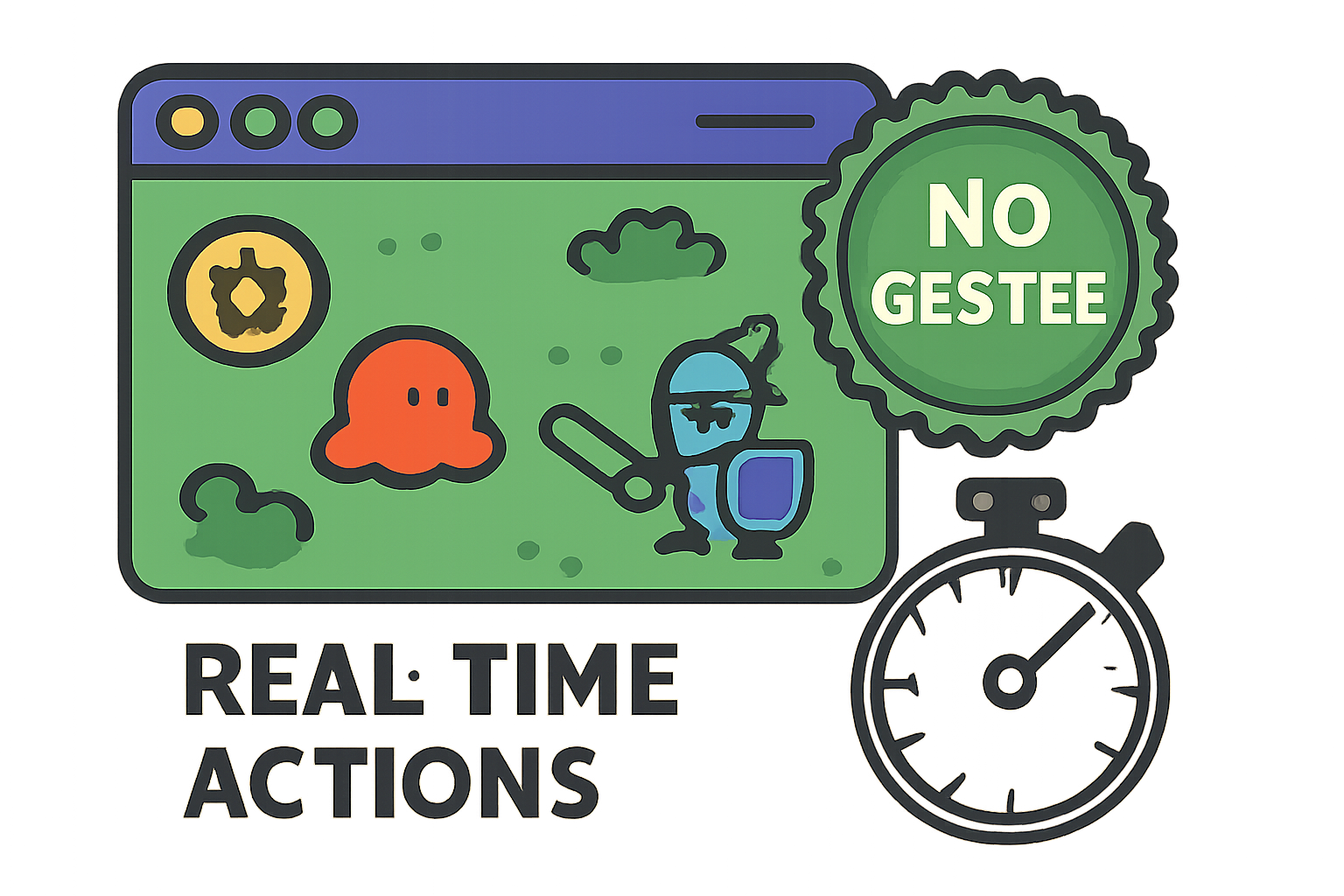
- Gasless Transactions: Ephemeral rollups enable zero-fee operations, allowing users to interact with games and applications without incurring transaction costs. This dramatically lowers barriers to entry and supports mass adoption. (Source: MagicBlock Documentation)
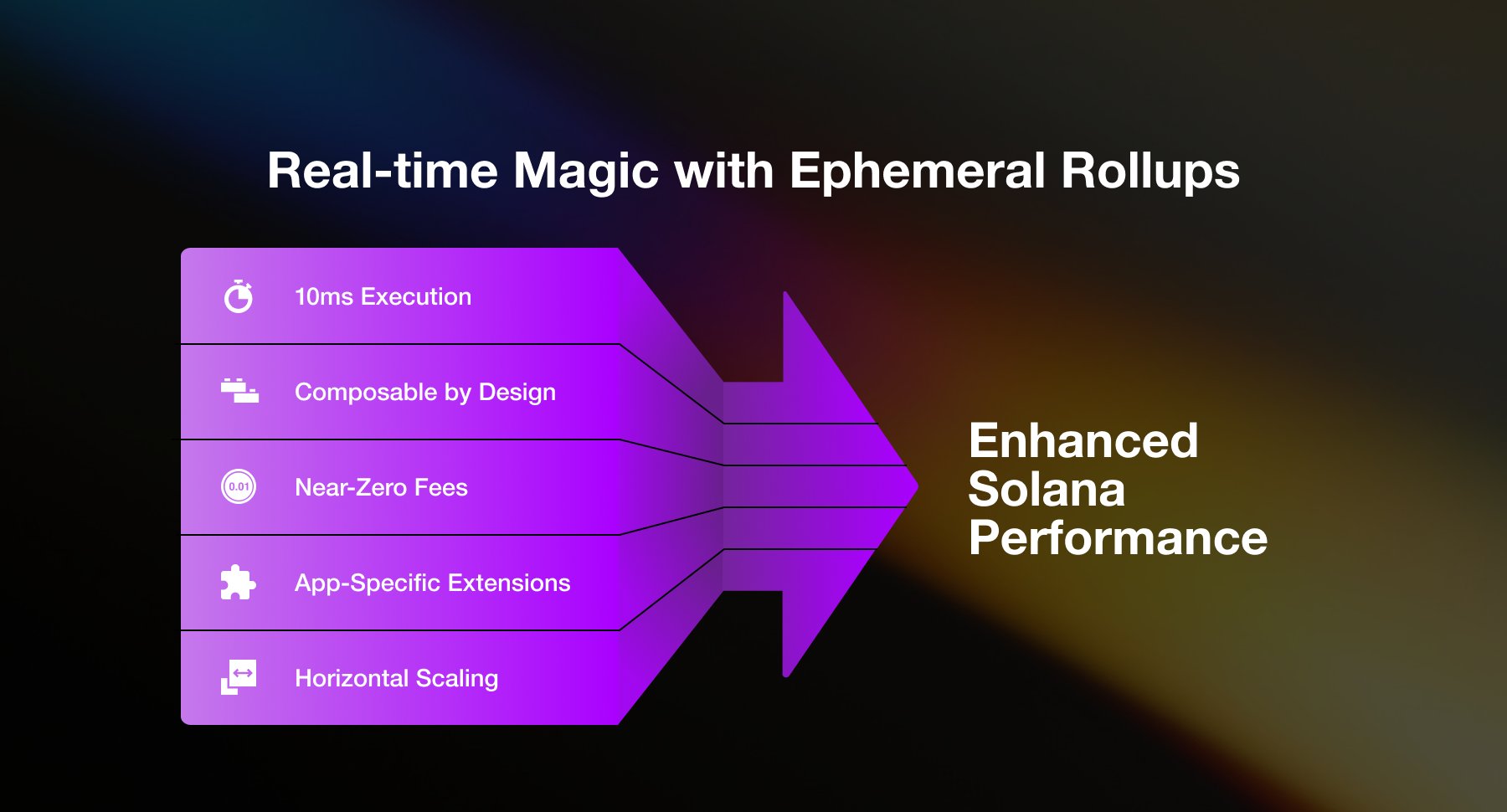
- Ultra-Low Latency (Sub-10ms): Transactions are processed with sub-10 millisecond latency, delivering a seamless, real-time user experience essential for gaming and high-frequency applications. (Source: MagicBlock Documentation)

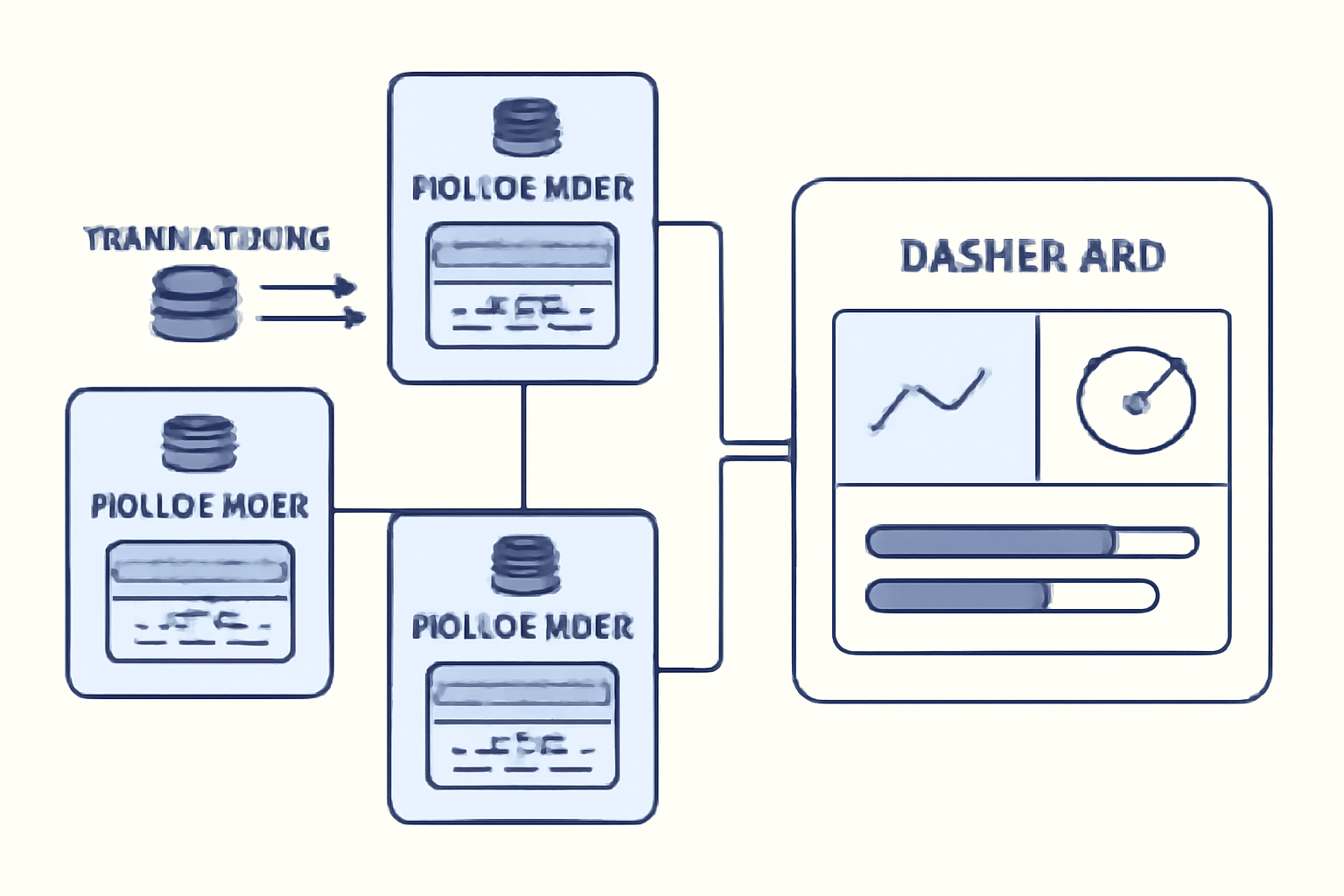
- Horizontal Scaling: Ephemeral rollups support on-demand parallelization by spinning up multiple rollups, allowing the system to process millions of transactions simultaneously and scale horizontally as user demand grows. (Source: MagicBlock Documentation)
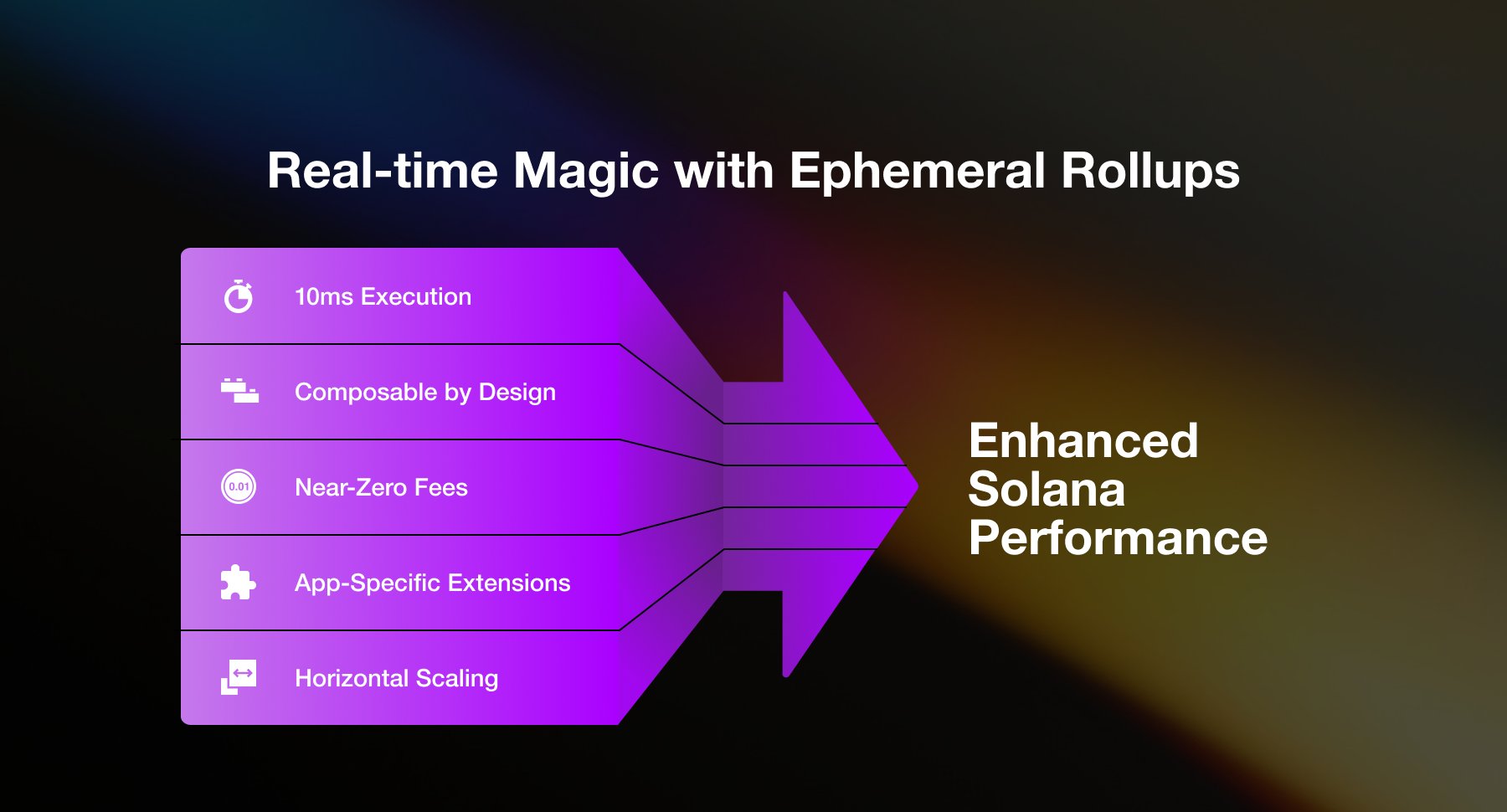
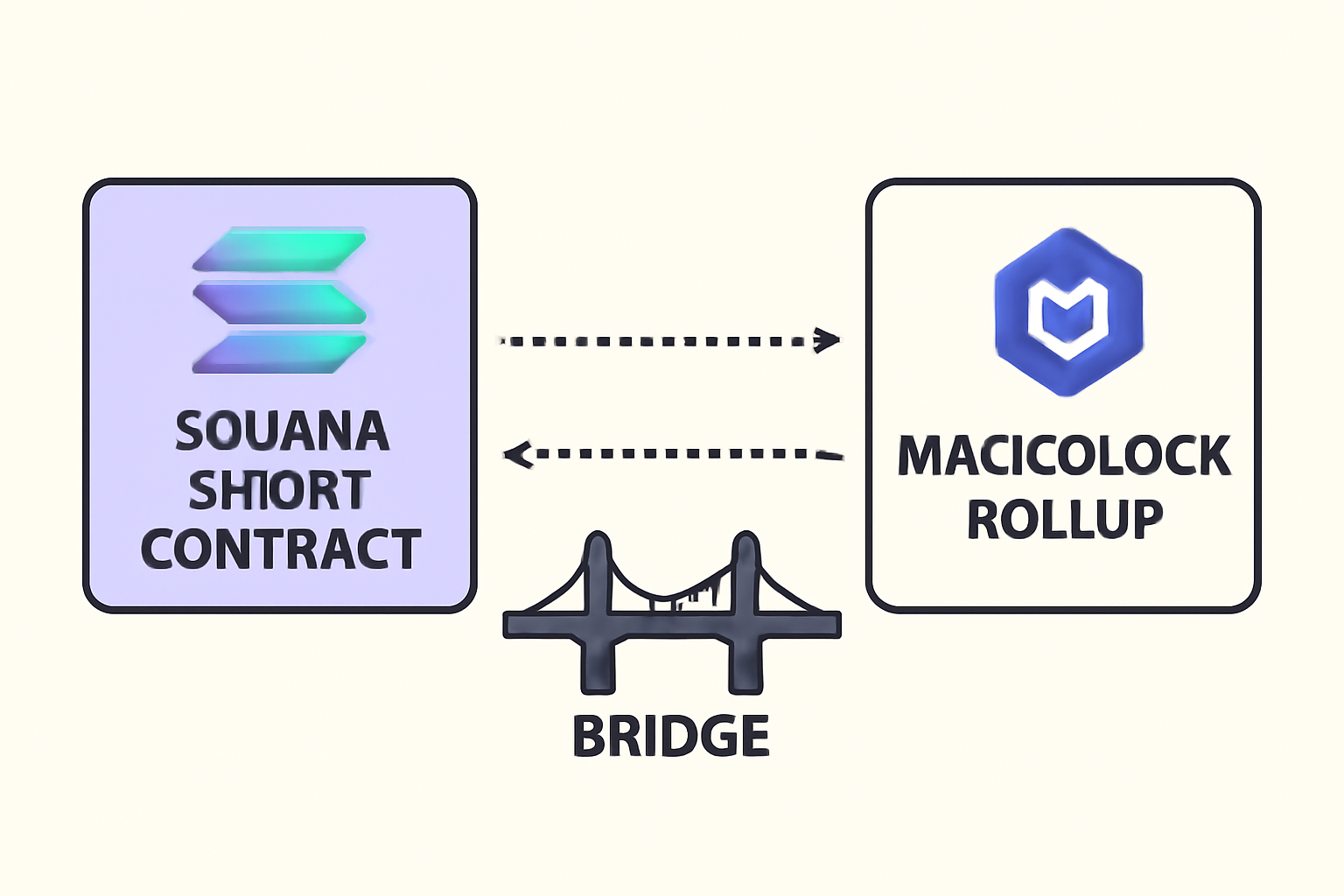
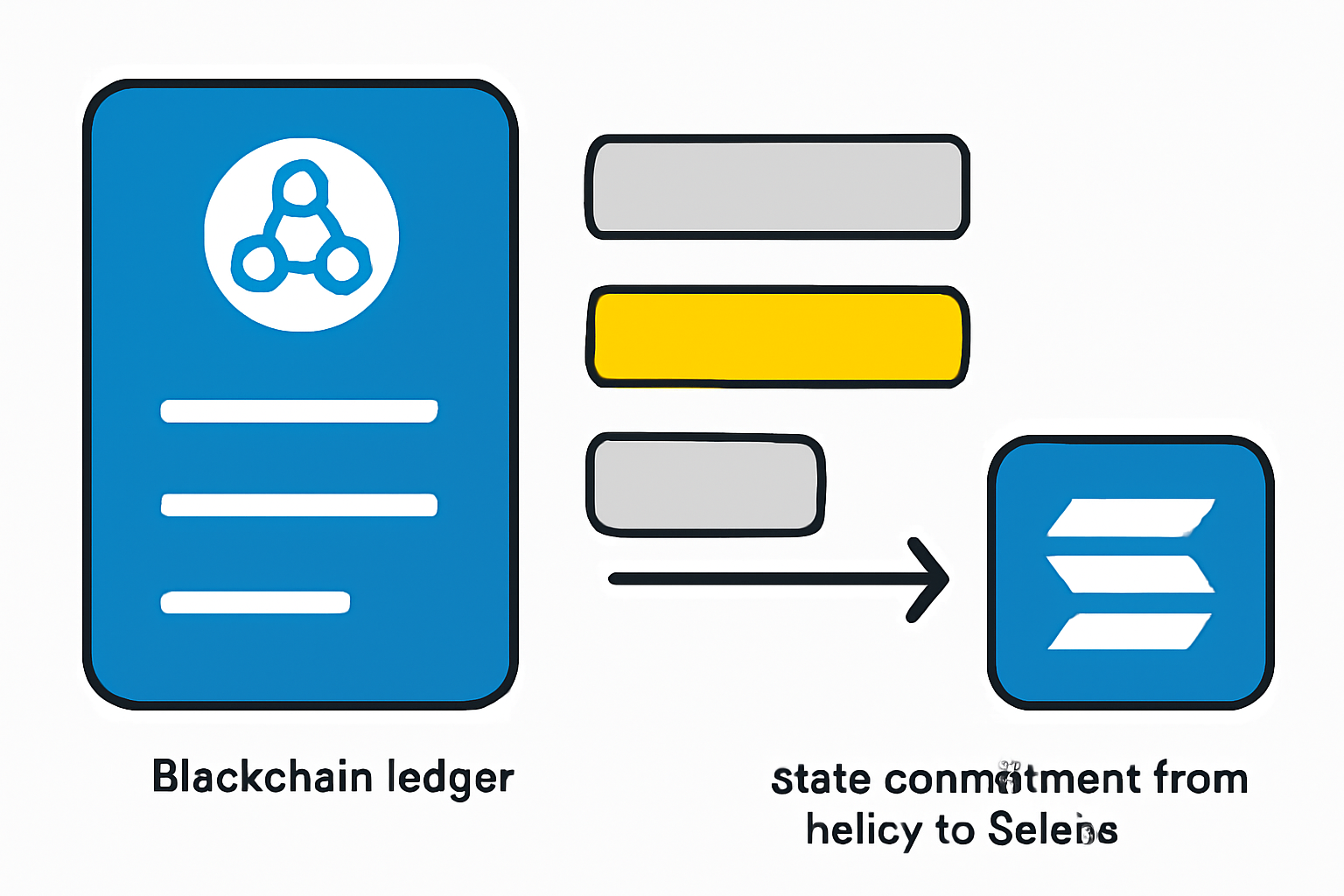
- Seamless State Synchronization: These rollups ensure real-time program and state synchronization with the Solana base layer, maintaining composability, upgradability, and preventing fragmentation of application state. (Source: MagicBlock Documentation)
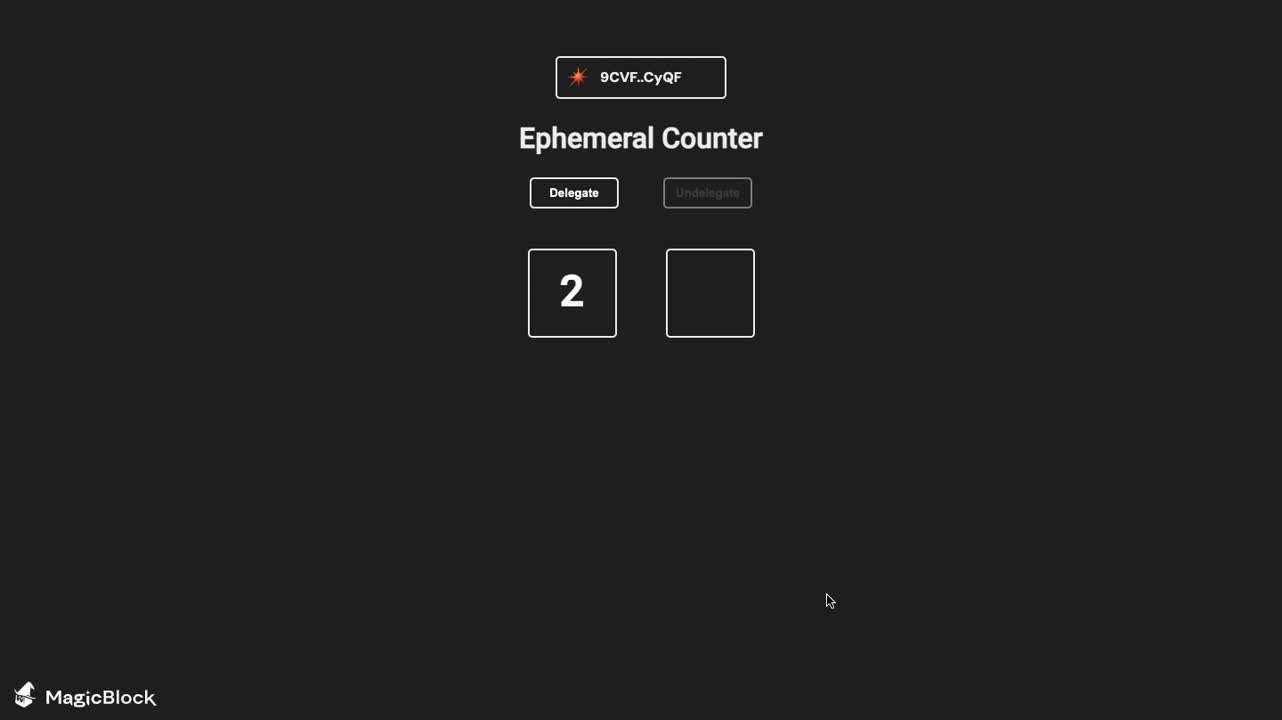
- Developer-Friendly Tooling: Developers can leverage familiar programming languages and frameworks (such as Anchor and Bolt) to build on ephemeral rollups, reducing friction and accelerating innovation. (Source: Jucoin Blog)
The result? Developers can deliver experiences that feel indistinguishable from web2, instant actions, no wallet pop-ups for gas fees, and no technical onboarding hurdles for users. For a deeper dive into how ephemeral rollups enable zero-fee high-speed on-chain gaming, check out this resource.
MagicBlock: Bringing Ephemeral Rollups to Solana Gaming
MagicBlock’s ephemeral rollup technology is purpose-built for Solana’s high-performance environment. By leveraging a specialized Solana Virtual Machine (SVM) runtime and integrating seamlessly with existing tooling like Anchor (via their Bolt framework), MagicBlock empowers developers to build fully on-chain games without sacrificing speed or composability.
The core innovation lies in how MagicBlock handles transactions:
- Gasless by Default: Players enjoy zero-fee gameplay as MagicBlock lets platforms sponsor transaction costs.
- Sub-10ms Block Times: Game logic executes instantly, crucial for real-time multiplayer experiences.
- No State Fragmentation: All game state changes are committed back to Solana L1 after each session. Liquidity remains secure and composable with the broader ecosystem.
This architecture has already powered live use cases like Zeebit, a decentralized gaming platform where players allocate funds to smart contracts on Solana, play in real time via ephemeral validators off-chain, then settle outcomes back on L1. The process ensures ultra-low latency while keeping funds safe and accessible at all times. For more on how temporary app chains unlock elastic scalability for gaming and DeFi on Solana, see this analysis.
The Technical Edge: Inside the MagicBlock Stack
Beneath the hood, MagicBlock operates as an SVM-based runtime that can be customized per use case, whether it’s a PvP battle arena or a flash DeFi event. With built-in automation (high-precision scheduling), developers can orchestrate complex game logic or financial flows without manual intervention or external bots.
The Bolt framework abstracts much of the blockchain complexity away from game developers by introducing an entity component system (ECS) familiar from mainstream game engines. This means teams can focus on gameplay rather than cryptography or consensus mechanics, lowering the barrier to entry for traditional studios entering web3.
- Bolt and SVM = rapid prototyping and production-grade reliability
- No need to rewrite existing codebases; leverage familiar languages and libraries
- Easily scale out with multiple parallel ephemeral rollups when user load spikes
This combination of performance and developer ergonomics is what sets MagicBlock apart, and why investors recently backed them with $7.5 million to accelerate fully on-chain applications natively built atop Solana.
Ephemeral rollups aren’t just a technical novelty, they’re a foundational shift in how we think about deploying and scaling blockchain infrastructure for dynamic, high-velocity use cases. By making blockspace as elastic and disposable as compute in traditional cloud environments, MagicBlock’s ephemeral rollups open the door to new classes of decentralized applications that were previously impractical or impossible.
Beyond Gaming: Expanding the Use Cases for Temporary Rollups
While the initial buzz is centered around on-chain gaming, the implications for temporary rollups in blockchain extend much further. Imagine flash DeFi events, trustless poker tournaments, or collaborative DAOs that need a burst of high-throughput computation and then evaporate, leaving only their final state on L1. Ephemeral rollups enable:
Real-World Use Cases for Ephemeral Rollups Beyond Gaming
- Decentralized Finance (DeFi) Auctions: Ephemeral rollups enable high-frequency, gasless bidding for on-chain auctions, such as NFT drops or token sales, by providing rapid settlement and scalability without congesting the base layer.
- Hackathons and Developer Competitions: Temporary, high-performance rollups can host coding competitions or hackathons, allowing participants to deploy, test, and interact with smart contracts in a low-cost, isolated environment before finalizing results on the mainnet.
- Pop-Up or Temporary DAOs: Ephemeral rollups allow for the creation of short-lived DAOs for specific events, decisions, or collaborations, enabling fast, gasless voting and coordination before dissolving and committing final outcomes to the main chain.
- Privacy-Preserving Applications: Sensitive workflows, such as confidential voting or private auctions, can leverage ephemeral rollups to process transactions off-chain, enhancing privacy and reducing the risk of data exposure before anchoring results on a public ledger.
- Real-Time Collaborative Tools: Ephemeral rollups can power collaborative apps—like multiplayer whiteboards or document editors—where rapid, gasless updates are required, and only the final state or summary needs to be committed on-chain.
- Flash Crowdfunding Campaigns: Projects can launch short-term fundraising events with ephemeral rollups, allowing contributors to interact, pledge, and vote in real time with minimal fees, before settling the outcome on the main blockchain.
This flexibility is what makes ephemeral rollups such a natural fit for ecosystems chasing instant blockspace and composable scalability. For more examples of how these chains are shaping adaptive blockchain scalability, see this overview.
The Superchain Perspective: Interoperability and the Road Ahead
The rise of ephemeral rollups dovetails with broader trends in the superchain movement, particularly as projects seek to balance scalability with interoperability. While MagicBlock is currently Solana-centric, the underlying architecture echoes patterns seen in OP Stack-powered superchains: modular runtimes, shared settlement layers, and seamless composability across domains.
- Instant onboarding: Users interact with dapps without worrying about wallets or fees, key for mainstream adoption.
- No vendor lock-in: Developers can spin up disposable blockspace as needed, then settle back to any base layer.
- Composable future: As superchains mature, expect cross-rollup communication standards to emerge, enabling ephemeral chains to plug into broader ecosystems like Optimism’s Superchain or even cross-VM bridges.
If you’re curious about how short-lived rollups are reshaping web3 scalability beyond Solana, explore this deep dive.
What’s Next? The New Frontier for Blockchain Builders
The rapid evolution of MagicBlock’s stack signals a new era where developers can treat blockspace as an abundant resource, spinning up dedicated execution environments for games, events, or even microservices at will. The ability to launch parallel ephemeral rollups on demand means that congestion and gas wars could soon be relics of the past for many high-intensity dapps.
This isn’t just about speed; it’s about unlocking entirely new design spaces. Picture real-time prediction markets that last minutes not months, or social dapps where every group chat gets its own temporary chain. As frameworks like Bolt lower the technical friction even further, and as investment pours into this space, the next wave of decentralized applications will likely be built atop these ephemeral foundations.
Getting Started with MagicBlock Ephemeral Rollups: A Step-by-Step Guide for Developers

If you’re ready to experiment with elastic blockspace or want to see how instant gasless chains power on-chain gaming today, check out this resource-packed guide: How Ephemeral Rollups Are Powering On-Chain Gaming.




No comments yet. Be the first to share your thoughts!