The OP Stack is rapidly becoming the backbone of Ethereum’s multi-rollup future, enabling a new paradigm for superchain interoperability. As more Layer 2 (L2) chains adopt the OP Stack, the need for seamless cross-rollup communication has never been more urgent. But how does this modular framework actually connect disparate rollups into a cohesive superchain? Let’s break down the architecture and protocols that are quietly powering this transformation.
Why Cross-Rollup Communication Matters
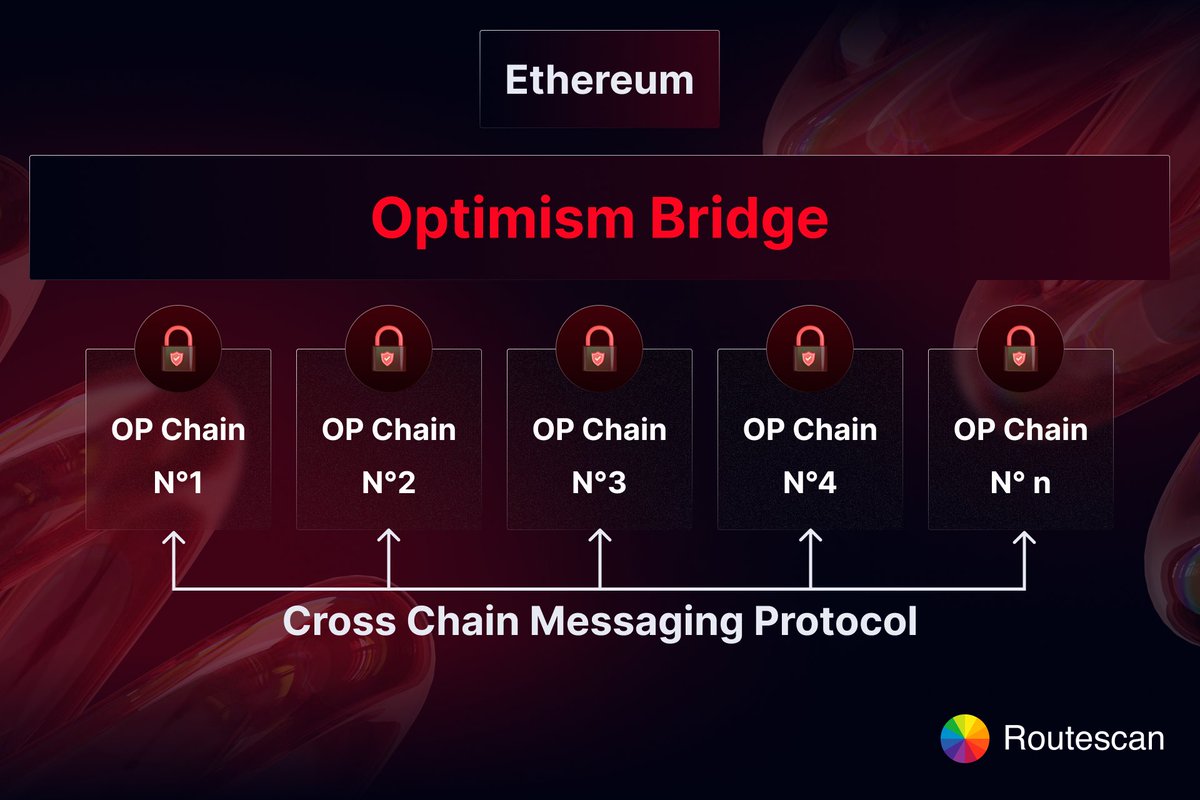
In a world of proliferating L2s, users and developers crave unified liquidity, consistent user experiences, and composable applications. Without robust cross-rollup communication, each chain risks becoming an isolated island - fragmenting assets, developer resources, and network effects. The OP Stack addresses these pain points by offering native mechanisms for state sharing and message passing across all OP Stack-based chains.
At its core, OP Stack cross-rollup communication is about lowering barriers between chains in the Superchain. This is not just an incremental improvement; it’s a foundational shift that allows dApps to span multiple rollups without sacrificing security or speed. For anyone tracking the evolution of blockchain interoperability solutions, this marks a significant leap forward from earlier approaches that relied on slow or expensive Layer 1 (L1) bridges.
The Core Components Enabling Superchain Interoperability
The Superchain vision rests on several technical pillars:
- Shared Bridge Contracts: All OP Stack chains connect to Ethereum using common bridge contracts. This standardization ensures secure token and message transfers across the network.
- Cross-Chain Messaging Protocol: A built-in protocol facilitates data and asset movement between different OP Stack rollups - making cross-chain interactions as efficient as possible.
- OP Supervisor Service: Acting as an overseer, this service maintains a comprehensive log event database from all Superchain members. It validates messages by verifying their origin events on source chains and ensures transaction integrity end-to-end.
- SuperchainERC20 Standard: To combat liquidity fragmentation, this proposed token standard provides a unified framework for assets bridged between OP Stack rollups.
Together, these components form a modular yet deeply integrated system for cross-rollup messaging and asset transfer - one that operates with lower latency than traditional L1 bridging solutions.
Diving Deeper: How Messaging Flows Across Rollups
The magic of multi-rollup architecture lies in how messages travel securely between chains. When an application or user wants to send data or tokens from one OP Stack rollup to another, here’s what happens under the hood:
- A smart contract emits an event on the source rollup when a cross-chain action is initiated.
- The OP Supervisor Service, running off-chain but tightly coupled with all Superchain members, detects this event and logs it in its database.
- This service then verifies the event’s authenticity before relaying it to the destination rollup.
- The receiving chain processes the message or asset transfer according to shared protocols - ensuring consistency across all participating L2s.
This approach minimizes trust assumptions compared to third-party bridges while dramatically reducing latency for inter-chain operations within the Superchain environment. The result? Developers can build applications that feel truly multi-chain without forcing users through slow or risky bridging steps.
What sets the OP Stack apart is its commitment to native, low-latency interoperability. By anchoring cross-rollup communication in standardized contracts and a shared supervisor service, the Superchain sidesteps many of the pitfalls that have plagued earlier blockchain interoperability solutions. Instead of relying on slow Layer 1 checkpoints or fragmented third-party bridge networks, OP Stack rollups can read and act on each other’s state nearly in real time.
This technical leap means that liquidity can flow more freely between applications deployed across different rollups. For users, this translates to faster swaps, seamless asset transfers, and a unified experience regardless of which OP Stack chain they interact with. For developers, it opens the door to new dApp architectures, think multi-rollup DeFi protocols or cross-chain NFT marketplaces, that were previously impractical due to latency or security constraints.
The Role of SuperchainERC20: Unifying Assets Across Rollups
Asset fragmentation has long been a thorn in the side of blockchain ecosystems. When each chain uses its own token standard or bridge logic, liquidity gets siloed and user experience suffers. The SuperchainERC20 proposal directly addresses this by providing a consistent interface for tokens bridged between any OP Stack rollup. Not only does this minimize confusion for end-users, but it also enables DeFi protocols and wallets to support Superchain-wide assets with minimal extra work.
This unified standard also makes it easier for governance tokens, stablecoins, and other key primitives to gain traction across the entire OP ecosystem, amplifying network effects and furthering the vision of a truly scalable multi-rollup architecture.
Security Considerations: Trust but Verify
No discussion of superchain interoperability would be complete without addressing security. The OP Supervisor Service plays a crucial role here by ensuring that all cross-chain messages are validated against canonical logs from each participating rollup. This verification process helps prevent double-spends, replay attacks, or fraudulent transactions from slipping through as messages traverse the Superchain.
Moreover, because every OP Stack chain adheres to shared standards for bridging and messaging, vulnerabilities are less likely to arise from custom implementations, a common risk in bespoke interoperability setups. As the ecosystem matures, ongoing audits and community oversight will remain essential to maintaining trust in this modular system.
What’s Next for Multi-Rollup Interoperability?
The roadmap for OP Stack cross-rollup communication is ambitious but grounded in practical engineering. As more L2s join the Superchain, like Base, Unichain, Worldchain, the benefits of shared infrastructure become increasingly apparent. Expect further enhancements around message routing efficiency, privacy-preserving communications between rollups, and broader adoption of interoperable standards like SuperchainERC20.
If you’re interested in technical deep dives or want to explore related architectures beyond Optimism’s approach, check out our guide on how the OP Stack powers multi-rollup interoperability in the Superchain.
The future of Ethereum scalability is not just about adding more chains, it’s about weaving them together into a fabric where value can move frictionlessly. With its thoughtful approach to modularity and interoperability, the OP Stack is quietly laying that groundwork today.




No comments yet. Be the first to share your thoughts!