
As Ethereum’s Layer 2 (L2) landscape matures, the vision of the Superchain: a constellation of interoperable OP Stack rollups, has become a focal point for developers and investors alike. The recent surge in interest around shared sequencers reflects both the escalating demand for seamless cross-rollup experiences and the technical barriers that remain. At the heart of this discussion is a pivotal question: How do we enable atomic, low-latency, and fair cross-rollup transactions without sacrificing the security and decentralization that define the Ethereum ecosystem?
Why Shared Sequencers Matter for the Superchain
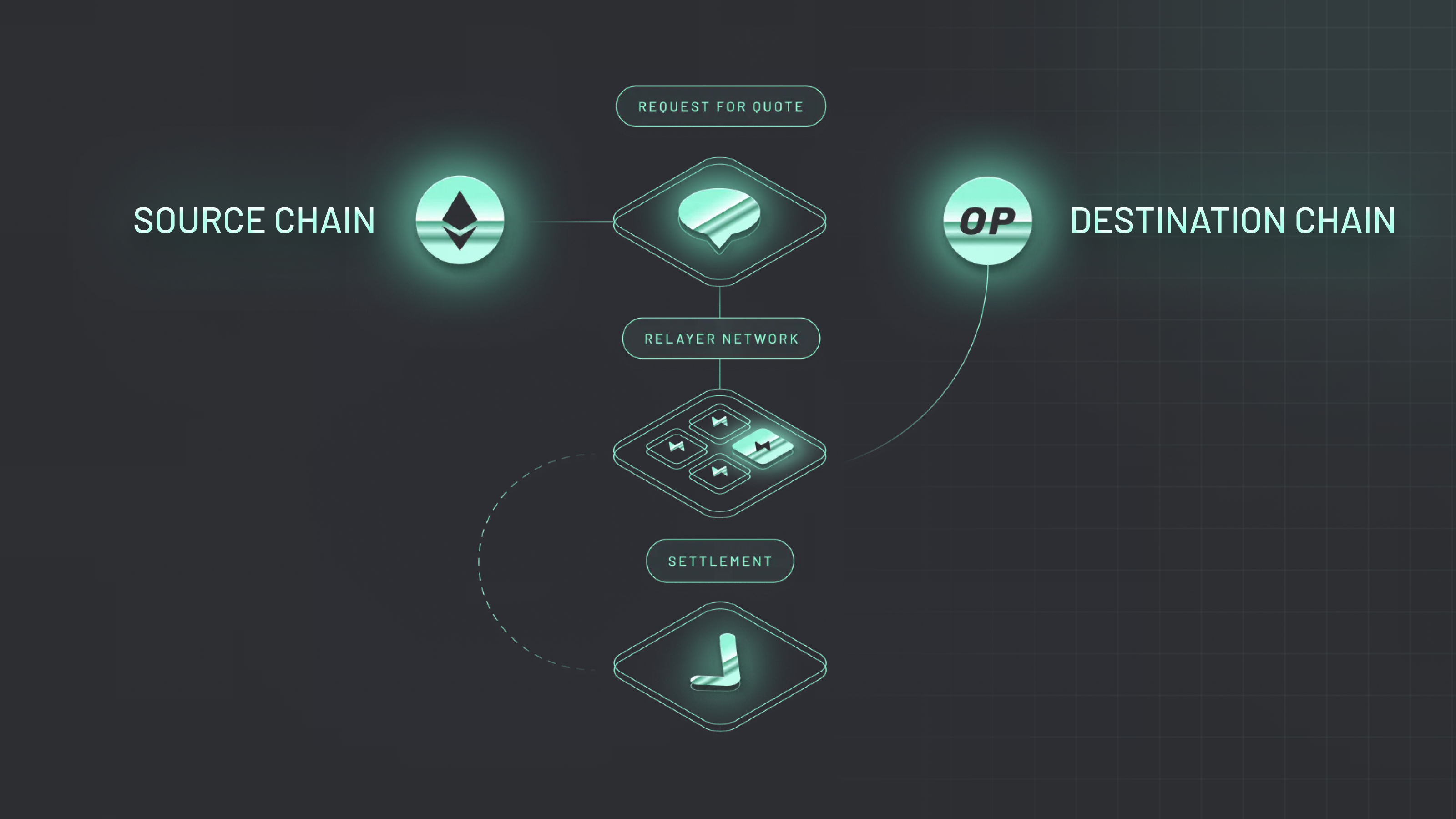
The Superchain’s promise is simple yet ambitious: allow OP Stack blockchains to read each other's state, execute synchronous cross-chain messaging, and enable atomic interactions across rollups. Shared sequencers are the missing link to this vision. By coordinating transaction ordering across multiple rollups, shared sequencers unlock true cross-rollup interoperability, mitigate MEV extraction risks, and reduce the latency of complex operations such as atomic swaps or bundled DeFi trades.
Without shared sequencing, rollups face fragmented liquidity, inconsistent transaction finality, and a patchwork of bridges that introduce both risk and inefficiency. As of October 10,2025, the Ethereum (ETH) price stands at $4,352.41, underscoring the high-stakes environment in which these scaling solutions operate. The need for robust, unified sequencing infrastructure has never been clearer.
The Mechanics of Shared Sequencers in OP Stack
In the current OP Stack architecture, each rollup typically operates its own sequencer, determining the order of transactions within its domain. This approach works well for isolated chains but falters when users demand composability across rollups. Shared sequencers address this by acting as a neutral coordination layer, ensuring that transactions targeting multiple rollups are executed atomically and in a globally agreed-upon order.
Recent proposals within Optimism’s governance forums and research from projects like Espresso Systems highlight several key functionalities for shared sequencing:
- Atomic Cross-Rollup Trades: Ensuring that multi-rollup transactions either execute fully or not at all, eliminating partial execution risk.
- Unified Transaction Ordering: Providing a consistent, tamper-resistant ordering of transactions across all participating rollups.
- Reduced Cross-Rollup MEV: Minimizing opportunities for extractive behavior by synchronizing block production and message passing.
- Faster Rollup Finality: Shortening confirmation times for cross-chain operations, which is crucial for user experience and capital efficiency.
This modular approach is central to the Superchain’s ethos. By decoupling sequencing from execution, OP Stack rollups can remain independently governed while benefiting from a common interoperability layer. For a technical explainer on how shared sequencers fit into the OP Stack, see the Superchain interoperability documentation.
Current Developments and Market Context
The momentum behind shared sequencers is reflected in both protocol development and market sentiment. Optimism has announced plans to unify its Superchain, a network now comprising 29 OP Stack chains, through a native protocol layer aimed at solving liquidity fragmentation and improving user experience. This initiative includes:
- A message-passing protocol for cross-chain communication
- A standardized SuperchainERC20 token for bridged assets
- An interoperable chain set for all OP Stack rollup chains
- A shared interop fault proof system for multi-chain fault proofs
Meanwhile, decentralized sequencer networks like Espresso Systems are actively building infrastructure to support robust throughput, fast finality, and secure transaction ordering across rollups. These efforts are crucial for realizing the Superchain’s vision of seamless, modular blockchains operating as a unified economic zone.
Despite these advances, challenges remain. Chief among them is the issue of cross-rollup MEV, where the absence of a unified sequencing mechanism can result in latency gaps, misordering, and partial execution of bundled transactions. Addressing these hurdles will be critical for ensuring that the Superchain delivers on its promise of efficient and fair cross-rollup operations.
As shared sequencer technology matures, the industry is moving closer to a world where atomic cross-rollup trades and real-time interoperability are not just theoretical, but practical realities. The OP Stack’s modular design is proving especially resilient, allowing experimental sequencing protocols to be tested and incrementally adopted by rollups without compromising the security guarantees inherited from Ethereum mainnet.
Key Benefits and Strategic Implications
The deployment of shared sequencers within the Superchain ecosystem brings several strategic advantages:
Key Benefits of Shared Sequencers in the Superchain
- Unified Transaction Ordering Across Rollups: Shared sequencers coordinate transaction ordering between multiple OP Stack chains, ensuring consistent and fair sequencing for developers and users across the Superchain.
- Atomic Cross-Rollup Operations: Developers can leverage shared sequencers to enable atomic, synchronous transactions across different rollups, making complex DeFi strategies and dApp interactions seamless and reliable.
- Reduced MEV and Enhanced Security: By minimizing cross-rollup MEV opportunities, shared sequencers protect users and DeFi protocols from value extraction attacks, fostering a more secure ecosystem.
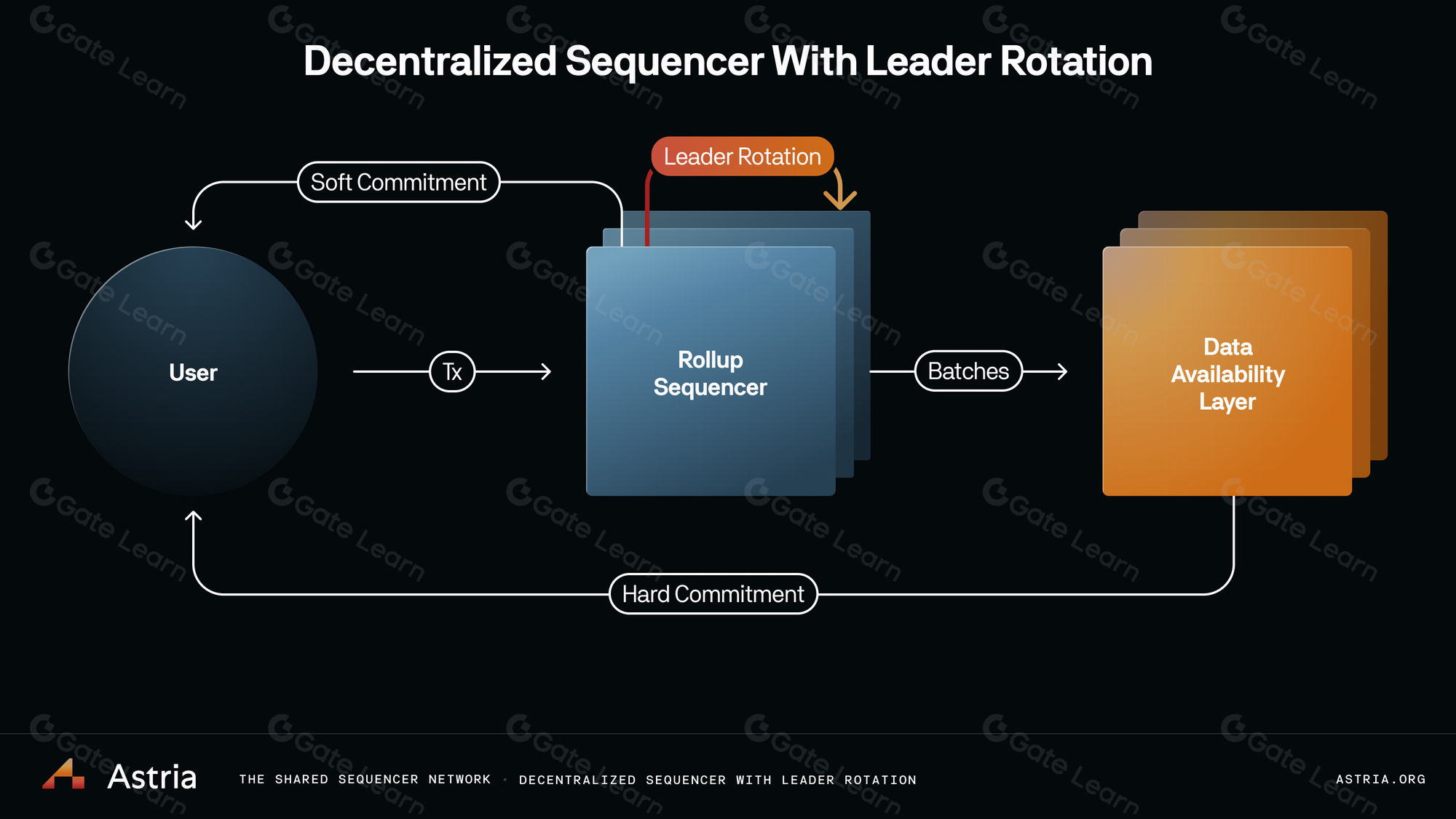
- Improved User Experience and Lower Latency: Users benefit from faster, more predictable transaction finality and reduced latency when moving assets or data between OP Stack chains.
- Liquidity Unification for DeFi Protocols: Shared sequencers help eliminate liquidity fragmentation by enabling protocols to access unified liquidity pools across the Superchain, boosting capital efficiency and composability.
- Standardized Cross-Chain Asset Transfers: With shared sequencers and protocols like SuperchainERC20, developers and users gain simplified, standardized bridging of assets across OP Stack rollups.

- Enhanced Decentralization and Network Resilience: Decentralized shared sequencer networks, such as those being developed by Espresso Systems, reduce central points of failure and increase the robustness of the Superchain.
For developers, shared sequencing means a simplified integration path for cross-chain applications. No longer must they juggle disparate bridge contracts or handle asynchronous message passing with unpredictable latency. Instead, a unified sequencing layer provides a reliable foundation for building composable DeFi protocols, cross-rollup NFT platforms, and multi-chain DAOs.
Users will see tangible improvements in experience: faster settlement times for cross-rollup swaps, lower slippage on multi-chain DEXs, and more predictable gas costs. The introduction of standardized assets like SuperchainERC20 further reduces friction by enabling seamless asset transfers between OP Stack rollups. This creates an environment where liquidity can move fluidly to wherever it is most efficiently deployed.
For capital allocators and protocol designers, shared sequencers reduce the risks associated with fragmented liquidity pools and inconsistent finality. As the Superchain grows in both scale and value locked, these efficiencies translate directly into higher throughput and better capital utilization, a critical factor given Ethereum’s current price at $4,352.41.
Challenges on the Road to Full Interoperability
Despite rapid progress, technical and economic challenges remain before shared sequencers can be considered production-ready across all OP Stack rollups:
- Cross-Rollup MEV: Without robust coordination, sophisticated actors may still exploit timing gaps between rollups for profit, potentially undermining user trust.
- Decentralized Sequencer Incentives: Ensuring that sequencer operators remain honest and resistant to collusion is an open research area.
- Fault Proof Standardization: Aligning fault proof systems across diverse rollups will be vital for secure atomic execution.
- Governance Coordination: As more OP Stack chains join the Superchain, collective decision-making around upgrades and protocol changes becomes increasingly complex.
The Optimism team’s commitment to open development, visible in ongoing discussions on their governance forums, offers hope that these issues can be tackled in a transparent manner. For deeper insights into current proposals and technical hurdles, see this Espresso Systems governance thread.
What Comes Next?
The evolution of shared sequencing infrastructure will shape not only the OP Stack ecosystem but also set precedents for modular blockchains across Web3. As more projects opt in to shared sequencer networks, either via native integration or through third-party providers like Espresso Systems, the network effects will compound. We can expect a virtuous cycle where improved user experience attracts more liquidity and developers, which in turn incentivizes further upgrades to sequencing technology.
The next six to twelve months will be pivotal. Watch for live deployments of atomic cross-rollup trades, further standardization of rollup finality guarantees, and continued experimentation with decentralized sequencer designs, all against the backdrop of Ethereum’s price holding steady at $4,352.41. Ultimately, the superchain vision hinges on making these advances accessible to all participants while preserving the open, permissionless ethos that underpins Ethereum itself.




No comments yet. Be the first to share your thoughts!