

Right now, as Optimism’s OP token trades at $0.2885 with a 24-hour change of $-0.0111 (-0.0371%), the conversation around optimistic rollups superchain couldn’t be more timely. These Layer 2 solutions are pushing Ethereum’s scalability boundaries, and at the heart of it all is the OP Stack’s dispute window mechanism. It’s not just tech jargon; it’s the safeguard that lets chains process thousands of transactions off-chain while keeping everything secure on the mainnet.

In the Superchain vision, multiple rollups built on the OP Stack interconnect seamlessly, forming a network where liquidity and data flow freely. But scalability doesn’t come free. Enter the OP stack dispute window, a critical seven-day challenge period that assumes batches of transactions are valid unless proven otherwise. This optimistic approach batches txs off-chain, posts a summary to Ethereum, and invites anyone to dispute fraud. It’s elegant, but that week-long wait has sparked debates on finality speeds.
Optimistic Rollups: Batching Transactions with a Safety Net
Picture this: Ethereum’s mainnet chugs along at 15 transactions per second, fees spiking during hype. Optimistic rollups flip the script. A sequencer collects user transactions, executes them in a rollup’s EVM-compatible environment, and posts compressed calldata to L1. No validity proofs upfront; everything’s optimistic. If unchallenged, those states finalize. But the genius lies in the fraud-proof system. Anyone watching can submit a dispute if they spot malice, triggering an interactive game where the honest party wins bonds from the challenger or proposer.
This setup powers the multi-rollup OP stack, enabling chains like Base or Zora to thrive under the Superchain umbrella. Scalability soars because most batches sail through without drama. Yet, that dispute window enforces economic incentives: bond slashing for bad actors ensures honesty without constant verification.
Dispute Windows Demystified: The Seven-Day Security Blanket
Why seven days specifically for the superchain fraud proofs? It’s a Goldilocks choice. Too short, and exit windows for users withdrawing to L1 become risky; malicious sequencers could rug before challenges mount. Too long, and DeFi apps suffer from sluggish finality. Seven days gives watchers ample time to monitor, compute disputes, and rally. In practice, disputes are rare because centralized sequencers behave rationally under slashing threats.
From Optimism docs to recent analyses, the flow is clear: post batch, start timer. Challengers stake ETH, point to the faulty step. Then, a multi-round fault-proof game bisects the computation tree until the liar is exposed. Winner takes the pot. This permissionless verification keeps the system trustless, a cornerstone for optimism rollup scalability.
But here’s where it gets practical: for everyday users, this means near-instant tx confirmations on L2, with L1 security as backup. Developers love it; no ZK proving overhead slows deployment. Investors eye the Superchain’s growth, as more OP Chains join, diluting sequencer power through shared bridges.
Optimism (OP) Price Prediction 2027-2032
Projections based on Superchain adoption, OP Stack dispute system upgrades, and Layer 2 scalability enhancements
| Year | Minimum Price | Average Price | Maximum Price |
|---|---|---|---|
| 2027 | $0.35 | $0.95 | $2.10 |
| 2028 | $0.70 | $1.80 | $4.50 |
| 2029 | $1.20 | $3.00 | $7.00 |
| 2030 | $1.80 | $4.50 | $10.50 |
| 2031 | $2.50 | $6.50 | $14.00 |
| 2032 | $3.50 | $9.00 | $18.00 |
Price Prediction Summary
Optimism (OP) is forecasted to see robust growth from its 2026 price of $0.2885, fueled by Superchain expansion and innovations like OP Succinct Lite for faster dispute resolution. Average prices could climb to $9.00 by 2032 in base scenarios, with bullish maxima reflecting widespread L2 adoption amid crypto market cycles.
Key Factors Affecting Optimism Price
- Superchain network growth and interoperability among OP Stack chains
- Advancements in fault-proof systems and ZK fraud proofs reducing challenge periods
- Increased Ethereum off-chain transaction volume boosting OP utility
- Favorable regulatory developments for Layer 2 solutions
- Market cycles with potential bull runs post-2026
- Competition from other L2s like Arbitrum and Base influencing market share
- Overall crypto market cap expansion and institutional adoption
Disclaimer: Cryptocurrency price predictions are speculative and based on current market analysis.
Actual prices may vary significantly due to market volatility, regulatory changes, and other factors.
Always do your own research before making investment decisions.
Superchain Evolution: Dispute Windows Meet Modern Upgrades
The OP Stack isn’t standing still. Recent pushes like the modular fault-proof system on OP Goerli testnet introduce a Fault Proof Program, FPVM, and dispute game protocol. These decentralize verification, cutting reliance on central teams. Imagine bridging Superchain assets without seven-day waits looming large.
Even bolder is OP Succinct Lite, blending ZK fraud proofs for single-step resolutions. Capital efficiency jumps; no multi-round games draining bonds. This hybrid nods to ZK rollups’ speed while retaining optimistic roots. For the Superchain, it means tighter interoperability across multi-rollup setups, faster finality, and scalability that rivals L1s without compromises.
These tweaks address pain points head-on. Traditional windows secure but slow user experience in high-stakes apps like lending protocols. With ZK-infused disputes, we could see windows shrink to hours, boosting TVL across chains. As OP holds at $0.2885, these innovations signal undervaluation for patient holders betting on Superchain dominance.
Developers building on the OP Stack are already experimenting with these upgrades. Take custom OP Chains: they inherit the dispute window but can tweak parameters for niche use cases, like gaming rollups needing sub-hour finality. By shortening windows with ZK backstops, scalability hits new heights without sacrificing security. This is the optimistic rollups superchain in action – chains talking natively, sharing proofs across borders.
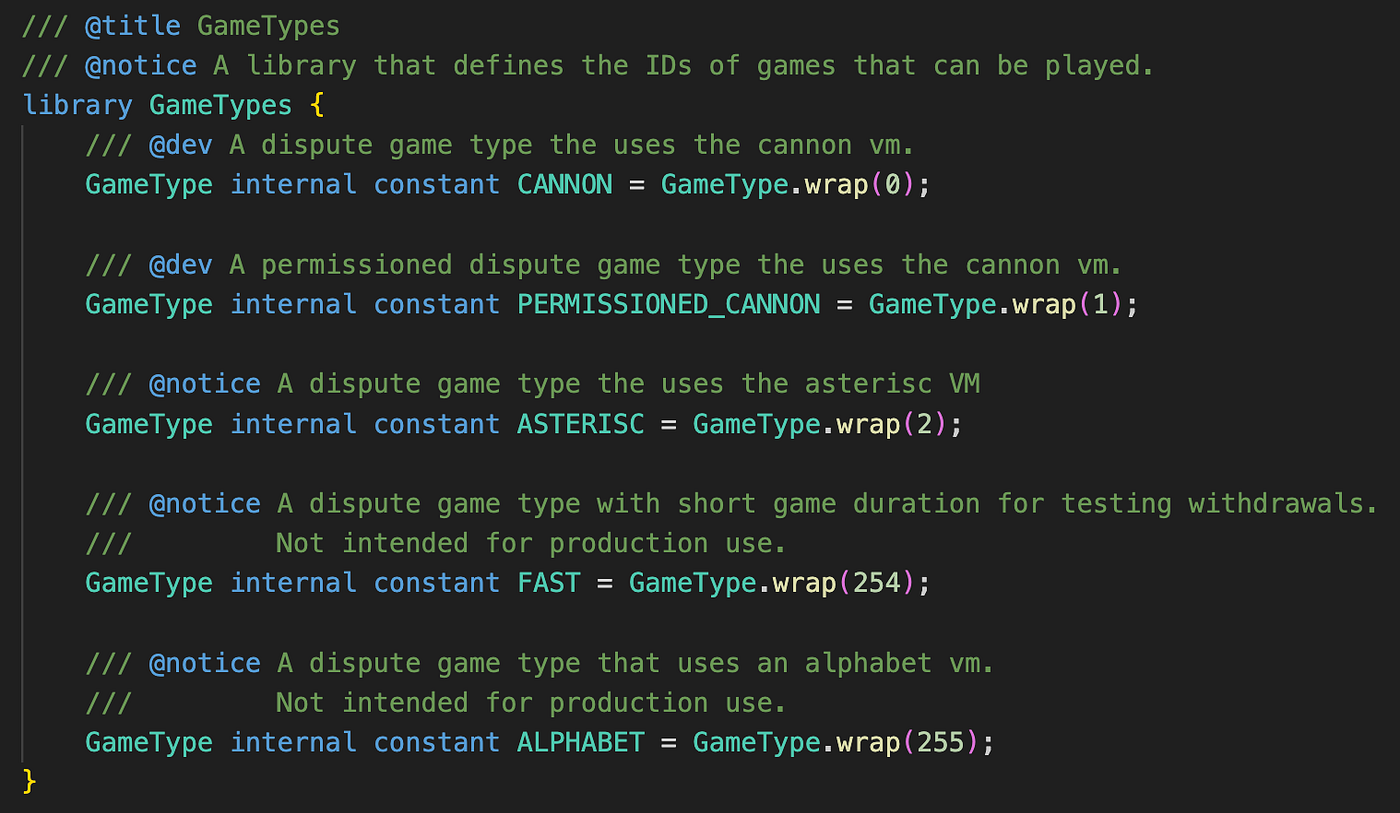
Let’s break down the modular fault-proof system further, since it’s a game-changer for OP stack dispute window efficiency. Launched on OP Goerli in late 2023, it splits responsibilities: the Fault Proof Program handles game logic, the FPVM executes disputed computations in a sandboxed EVM, and the dispute game protocol manages interactive challenges. No more monolithic verifiers; anyone can run a node and participate. This decentralizes the Superchain, making censorship resistance ironclad even as adoption surges.
ZK Fraud Proofs: The Hybrid Path to Instant Finality
OP Succinct Lite takes it up a notch, embedding zero-knowledge proofs into optimistic frameworks. Traditional fraud proofs require back-and-forth bisects, tying up capital for days. ZK flips that: a single, succinct proof verifies entire batches non-interactively. Challengers submit it during the window, and if valid, the bad state reverts instantly. No games, no bonds locked long-term. For Superchain bridges, this means atomic swaps between chains without seven-day huddles.
Practically speaking, this slashes finality from a week to minutes. DeFi protocols on Base or Mode can offer competitive yields without L1 withdrawal anxiety. Users get optimism rollup scalability – 100x throughput at pennies per tx – backed by Ethereum’s settlement. And with OP at $0.2885, down $-0.0111 (-0.0371%) over 24 hours, the market hasn’t fully priced in these leaps yet. Savvy investors are stacking for Superchain network effects.
Challenges remain, sure. ZK integration demands hardware acceleration for provers, and FPVMs need battle-testing against edge cases. But Optimism’s roadmap prioritizes this: phased rollouts ensure stability. Compare to pure ZK rollups; optimistic setups deploy faster, iterate easier. The Superchain wins by mixing both worlds.
Real-World Impact: From Theory to Superchain Dominance
Zoom out to the ecosystem. Chains like Worldcoin or Sway leverage OP Stack for identity and social apps, where dispute windows secure high-volume txs. Shared sequencers – a parallel upgrade – pair with refined superchain fraud proofs to eliminate central chokepoints. Picture a unified sequencer pool across 20 and chains: censorship drops, MEV democratizes.
For developers, it’s straightforward: fork the OP Stack, customize your dispute params, deploy. Tools like the Fault Proof Program abstract complexity, letting you focus on dApps. Investors? Track TVL migrations to OP Chains; as bridges speed up via ZK, capital floods in. We’ve seen Base eclipse Arbitrum in activity – expect Superchain to consolidate that lead.
These evolutions cement the multi-rollup OP stack as Ethereum’s scalability engine. No more siloed L2s; a cohesive network where disputes resolve fleetly, liquidity pools deeply. As more protocols plug in, Optimism’s token captures value through governance and fees. Holding through dips like today’s $0.2885 positions you for the multi-chain future.
Stake in the game yourself: run a fault prover node, contribute to FPVM audits, or build the next OP Chain. The Superchain thrives on participation, turning watchers into guardians. With innovations stacking up, optimistic rollups aren’t just scaling Ethereum – they’re redefining it.
About the Author