

In the evolving landscape of blockchain scalability, OP Stack sovereign rollups emerge as a pivotal innovation, empowering developers to craft bespoke Layer 2 chains that preserve autonomy while weaving into the fabric of the Superchain. This architecture sidesteps the pitfalls of fragmented liquidity and siloed ecosystems, fostering a multi-rollup paradigm where custom configurations harmonize with shared protocols. Optimism’s vision, rooted in standardized yet flexible tooling, positions these rollups not merely as scaling solutions but as interoperable sovereign entities, poised to redefine Ethereum’s throughput and user sovereignty.

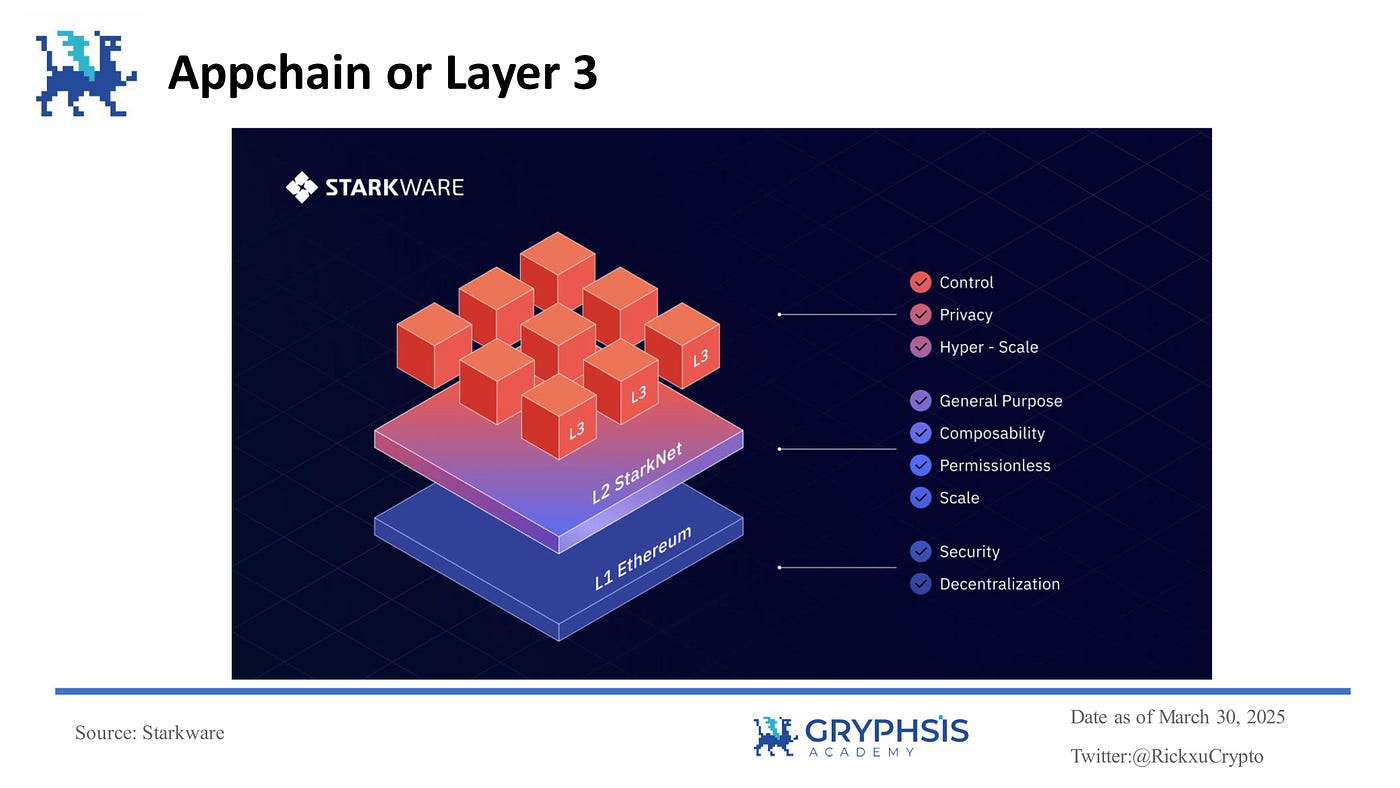
The essence of OP Stack sovereign rollups lies in their modular design, drawn from the open-source OP Stack. Developers can deploy chains with tailored governance, sequencer policies, and economic parameters, all while adhering to Superchain standards for seamless interaction. This duality – sovereignty coupled with interoperability – addresses a core tension in rollup ecosystems: the need for customization without isolation. Traditional rollups often grapple with bespoke bridges and security models, leading to user friction and capital inefficiency. Sovereign rollups, by contrast, leverage Optimism’s shared fault proof system and bridge infrastructure, ensuring unified security guarantees across the network.
Core Components of Sovereign Rollup Configuration
Configuring a custom chain begins with the rollup deployment specifications outlined in Optimism’s documentation. At its heart is the distinction between standard and sovereign configurations. A Standard Chain within the Superchain mandates adherence to a predefined set of parameters: unified block times, shared messaging protocols, and compatibility with the canonical bridge. Sovereign rollups extend this by permitting deviations in areas like gas token selection and data availability layers, introducing features such as custom gas tokens and Plasma Mode for Layer 3 integrations.
Key configuration levers include sequencer management, where operators can elect decentralized or centralized models, and node synchronization via the rollup node and execution client stack. The OP Stack’s Bedrock upgrade and subsequent versions, tracked through Superchain Targets, provide activation rules that ensure upgrade cohesion. For instance, projects like Ancient8 exemplify this, achieving high throughput with EVM equivalence while customizing fee structures. Infrastructure providers – Syndicate, Caldera, Gelato Network, Chaindrop, Zeeve, and Conduit – streamline these deployments, offering managed services that abstract complexities for Layer 3 builders.
Navigating Superchain Interoperability Standards
Superchain interoperability setup hinges on OP Supervisor, a service orchestrating communication among OP Stack chains. This supervisor mediates between rollup nodes, enabling efficient state reads and message passing without compromising chain independence. The recent native interoperability layer amplifies this, comprising the Message Passing Protocol for cross-chain messaging, SuperchainERC20 for standardized bridged assets, the Interoperable Chain Set for mutual data accessibility, and a Shared Interop Fault Proof System for collective dispute resolution.
Rollout proceeds methodically: a devnet for iteration, testnet for validation, and mainnet for production. This staged approach mitigates risks, gathering ecosystem feedback to refine unified liquidity and user experiences akin to a single chain. Developers configuring rollup configuration OP Stack must align with these protocols to unlock benefits like frictionless asset transfers and composability across rollups. The SuperchainERC20 standard, for example, normalizes token bridging, eradicating the multiplicity of wrapped assets that plague multi-chain environments.
Optimism’s commitment manifests in partnerships like Succinct, integrating ZK proving via OP Succinct, which bolsters fault proofs and operational efficiency for OP Mainnet and beyond.
These elements collectively forge superchain custom chains that balance innovation with cohesion. By permitting sovereign tweaks – from sequencer decentralization to L3 Plasma Mode – while enforcing interoperability minima, the OP Stack cultivates a resilient network. Early adopters report transaction throughputs rivaling specialized rollups, with costs plummeting due to shared Ethereum settlement.

Or join our event live: https://t.co/Nh063lMsBP
Delving deeper into practical deployment, chain operators reference the Chain Operator guide for rollup basics. Standard configurations demand specific protocol versions, ensuring all chains evolve in lockstep during upgrades. Sovereign variants, however, afford flexibility in non-consensus parameters, such as fee markets or oracle integrations, without forfeiting Superchain membership privileges.
Practical deployment demands precision in aligning sovereign customizations with Superchain invariants. Operators must delineate consensus-critical elements – like block production timing and fault proof parameters – from pliable ones, such as sequencer election mechanisms. This delineation preserves Optimism sovereign rollup guide principles, where chains retain control over revenue models and upgrade cadences, yet synchronize on interoperability primitives.
Deploying Custom OP Stack Sovereign Rollups: Sovereign Autonomy Meets Superchain Harmony
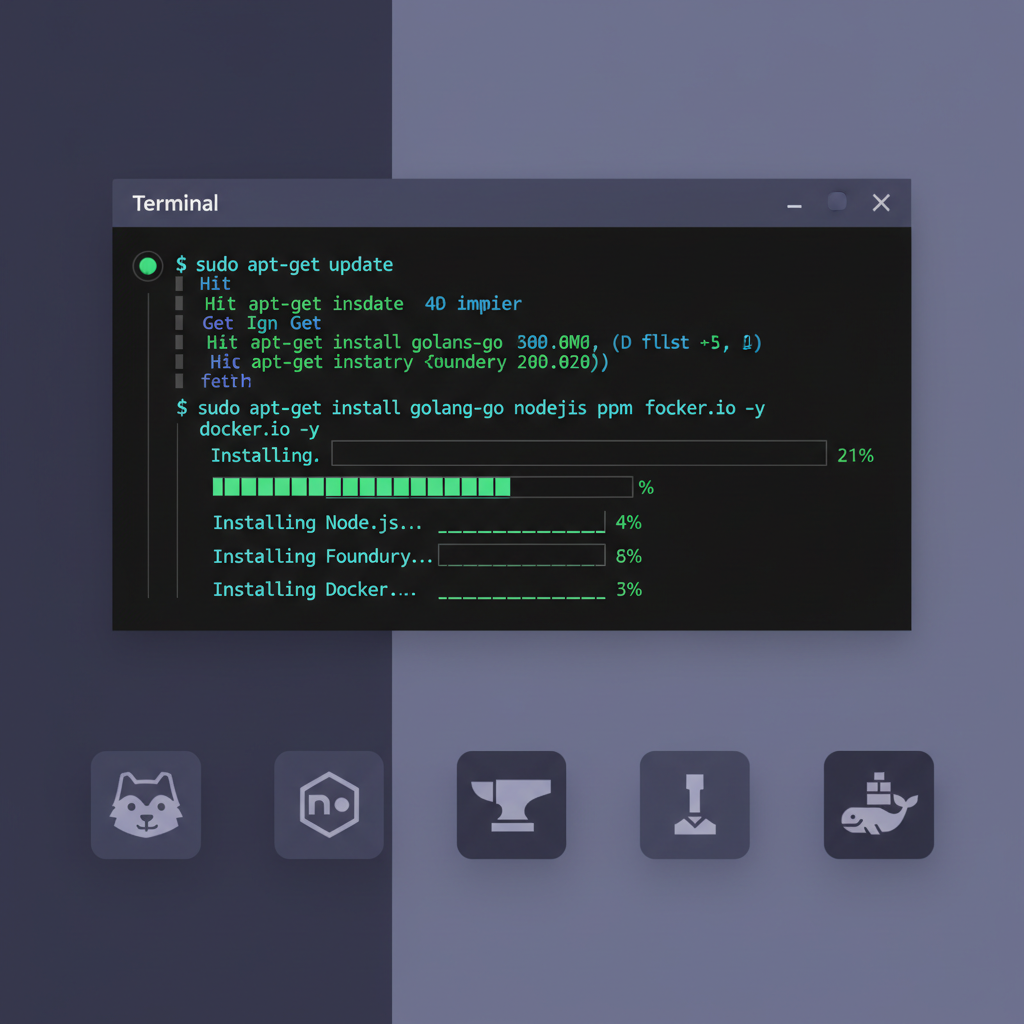
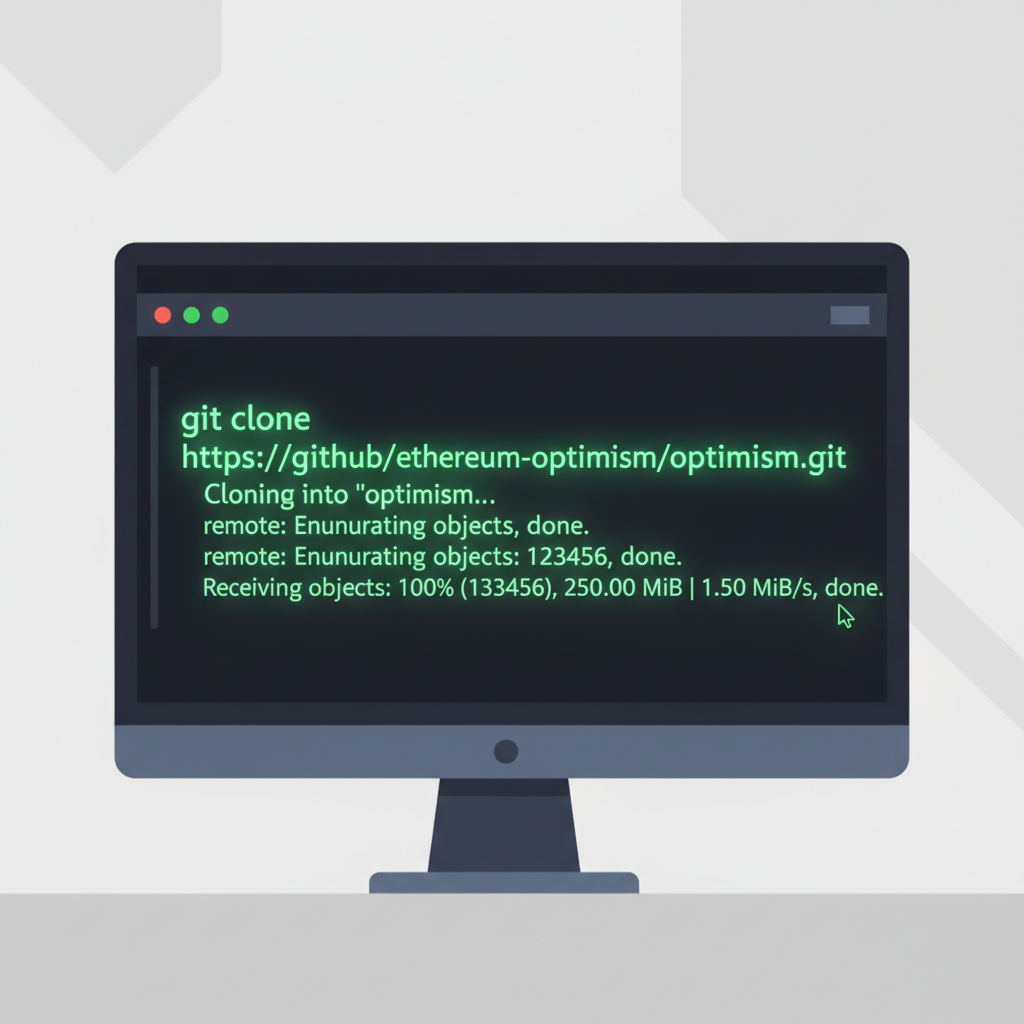
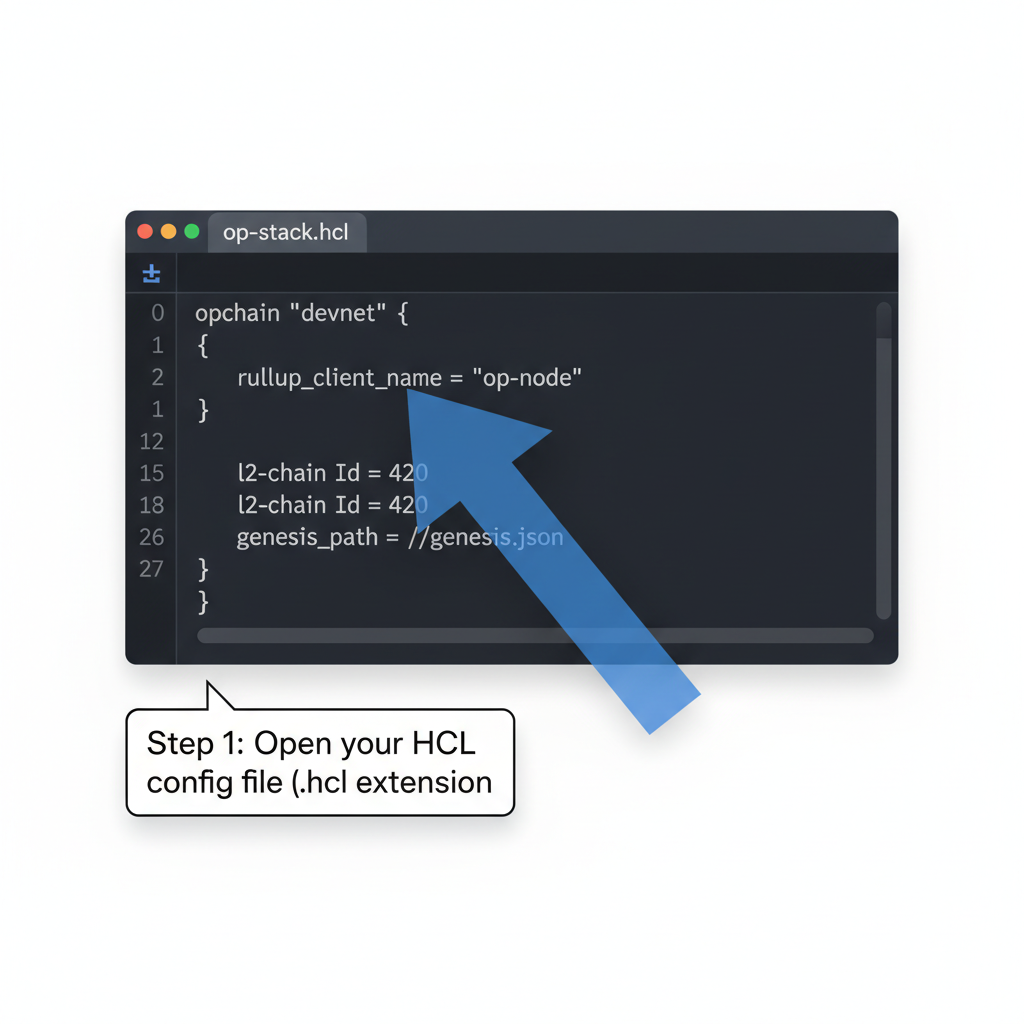
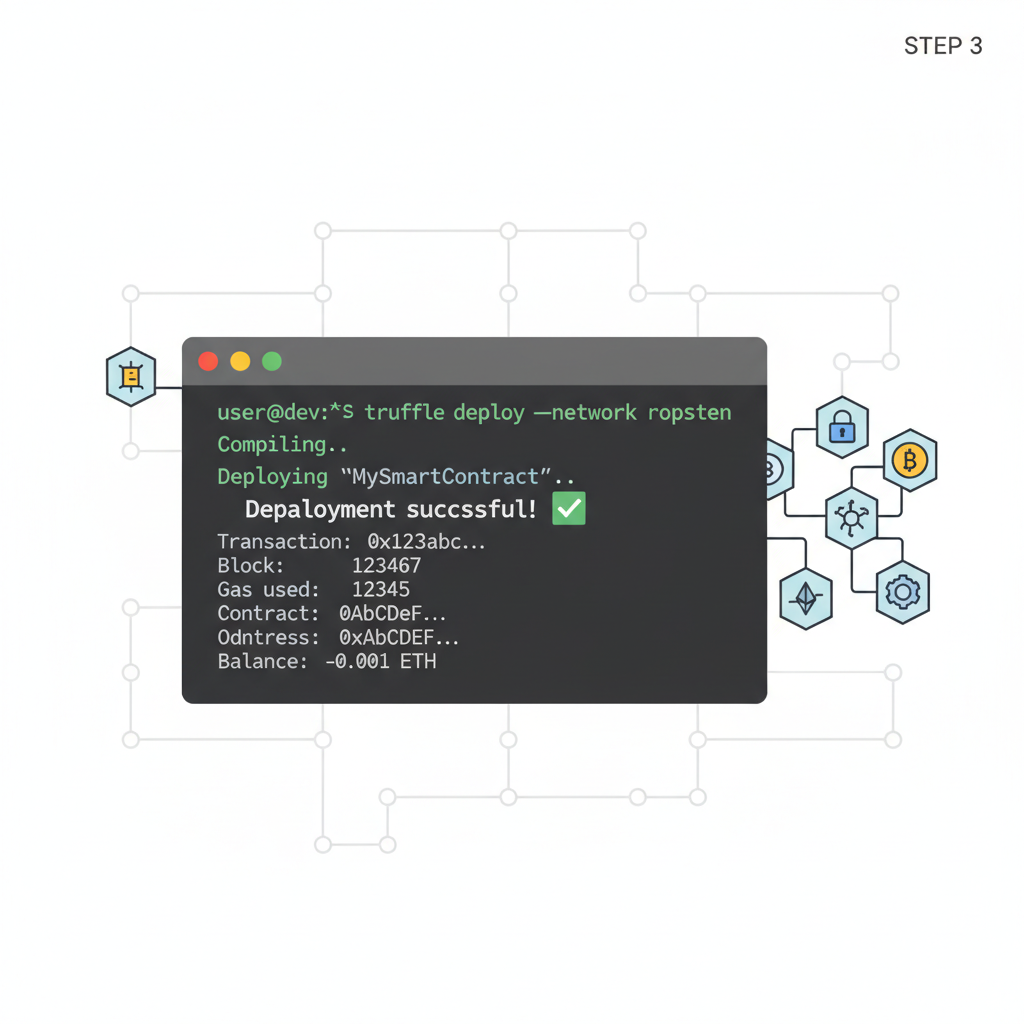
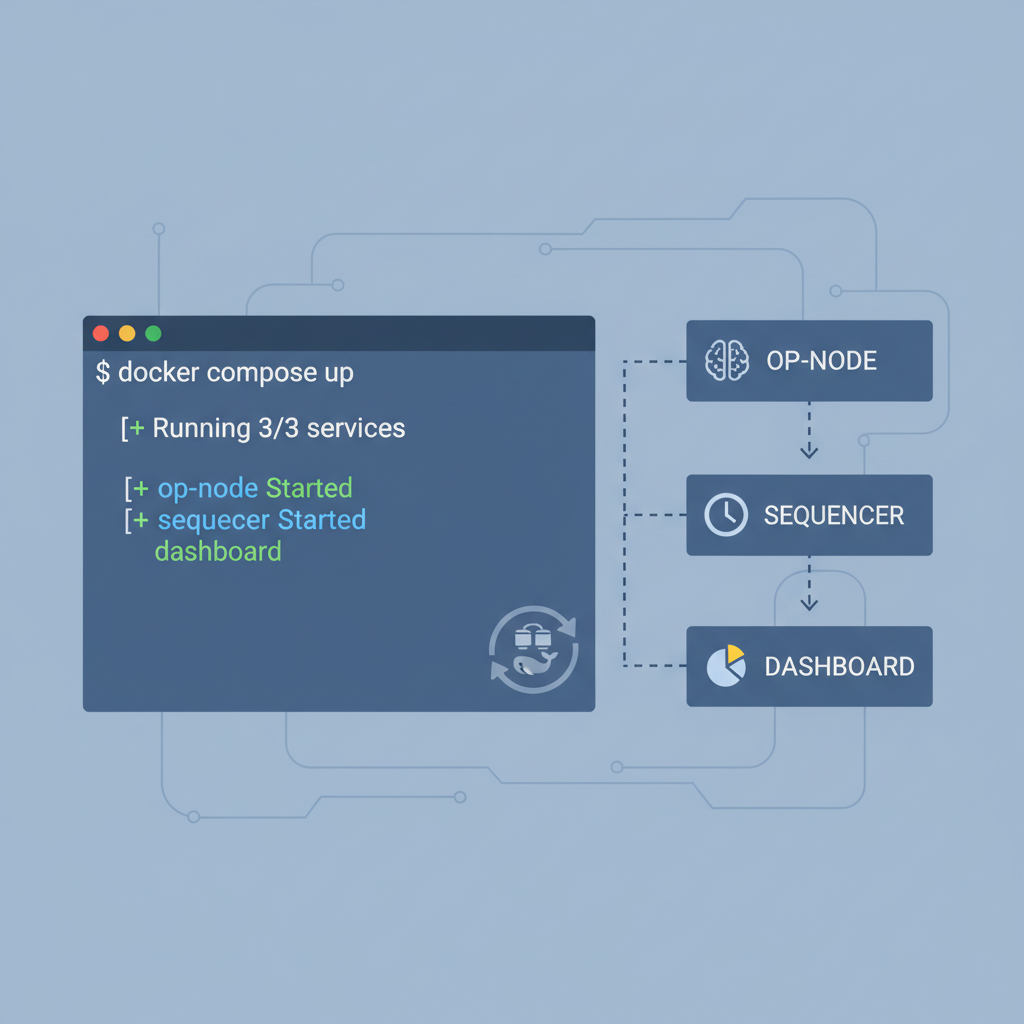
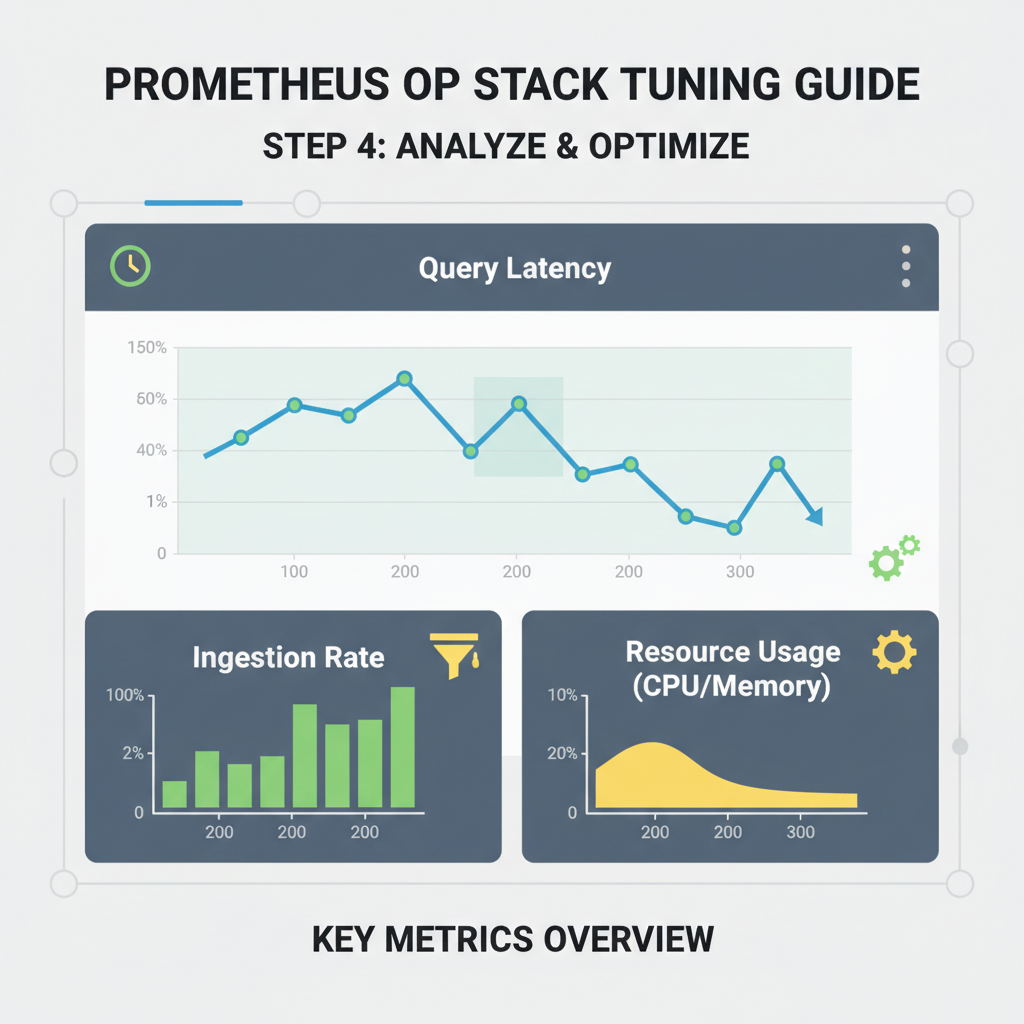
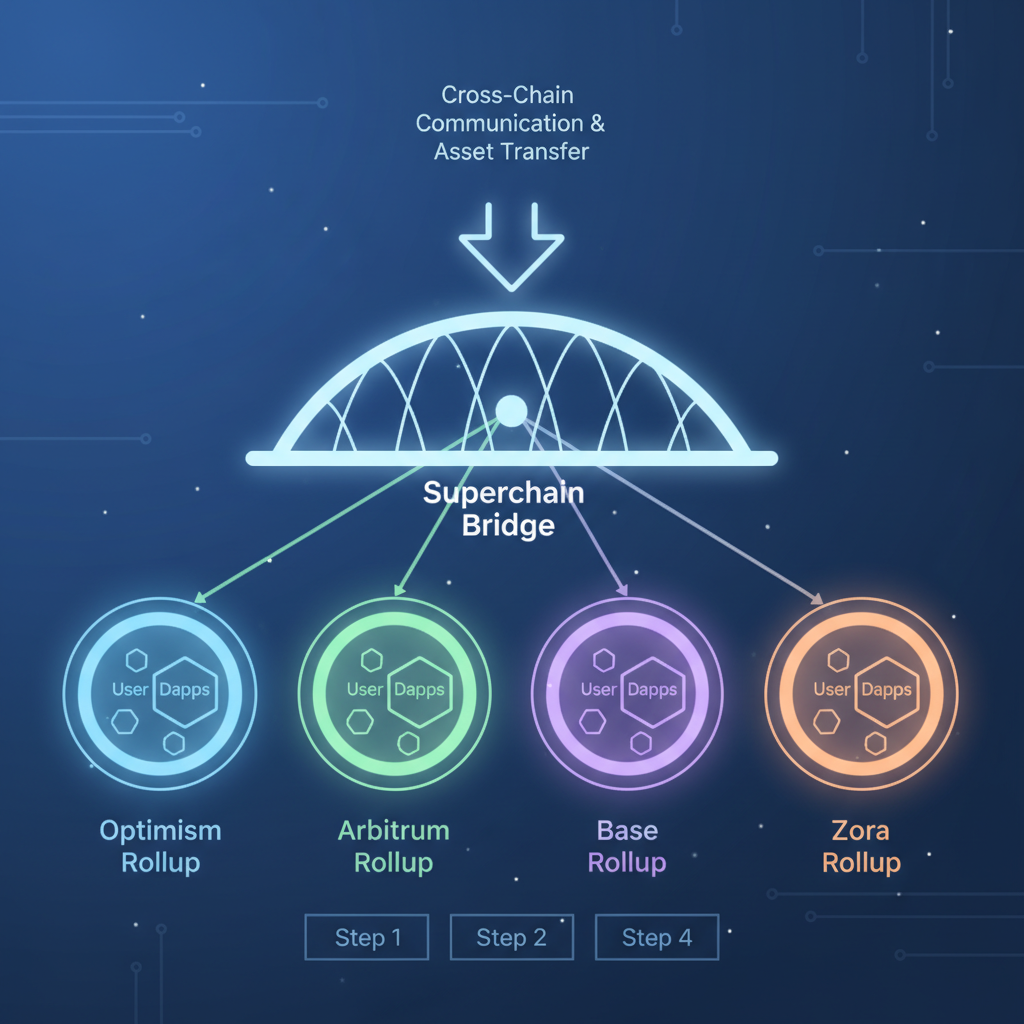
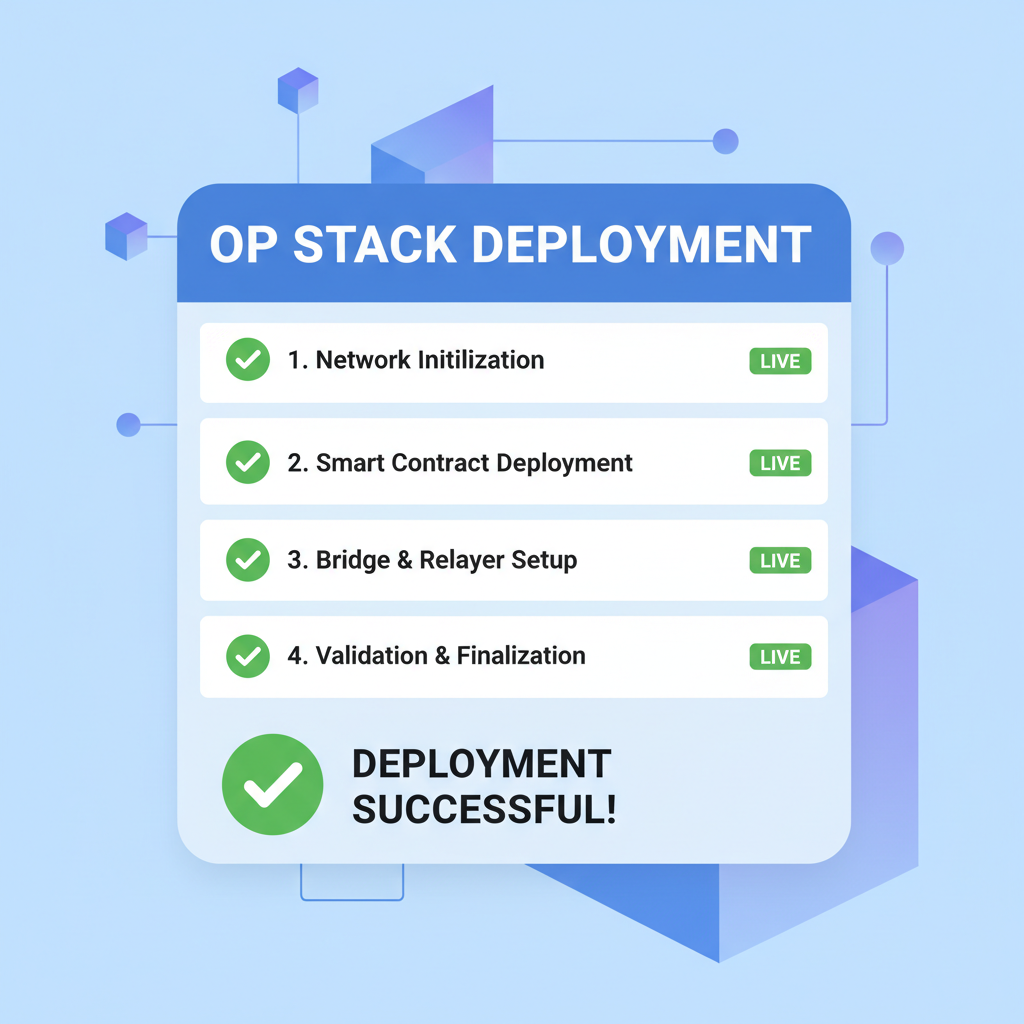
Once deployed, rigorous testing via devnets validates interoperability. Chains interact through the Interoperable Chain Set, querying states across rollups with sub-second latency. This setup empowers superchain custom chains to compose applications natively, from cross-rollup lending protocols to unified DEX aggregators. Liquidity, once balkanized, pools into a cohesive reserve, amplifying capital efficiency manifold.
Exemplars and Economic Incentives
Real-world deployments illuminate the potency of this framework. Ancient8’s chain, for instance, harnesses OP Stack for gaming throughput, customizing sequencer policies to prioritize low-latency transactions while tapping Superchain bridges for asset inflows. Similarly, infrastructure ensembles like Zeeve facilitate rapid prototyping, bundling node orchestration with compliance tooling. Economic models diverge: some sovereign rollups auction sequencer slots for revenue redistribution; others decentralize via proof-of-stake variants, fostering permissionless participation.
The Superchain’s upgrade trajectory, from Bedrock to nascent ZK infusions, underscores protocol maturity. OP Succinct’s integration promises fault proofs with cryptographic finality, supplanting optimistic assumptions selectively. Layer 3 support via Plasma Mode extends this, permitting rollups atop rollups with bespoke data availability – Celestia or EigenDA integrations, say – unburdened by L1 calldata costs.
Such configurations, parsed by the OP Stack toolchain, instantiate chains that navigate sovereignty-interoperability trade-offs adeptly. Developers iterate via starter kits from Superchain Eco, scaling from proof-of-concept to production with minimal friction. Risks persist – misaligned upgrades or sequencer centralization – yet mitigated by shared Superchain Targets and OP Supervisor oversight.
Zooming outward, OP Stack sovereign rollups herald a paradigm where Ethereum’s settlement layer orchestrates a constellation of specialized chains. Gaming rollups prioritize determinism; DeFi variants, MEV resistance; social apps, privacy primitives. Interoperability, once an afterthought, becomes foundational, courtesy of standardized messaging and token standards. This multi-rollup ethos eclipses monolithic L2s, distributing sequencer risks and unlocking heterogeneous innovation.
Infrastructure proliferation – Caldera for rollup-as-a-service, Gelato for automation – democratizes access, lowering barriers for niche verticals. Sovereign rollups thus catalyze Superchain’s ascent, blending Ethereum’s security with rollup sovereignty. As devnets mature toward mainnet, expect unified frontends masking cross-chain complexity, user experiences rivaling Web2 seamlessness.
The trajectory points inexorably toward a Superchain where custom chains thrive interdependently. Developers wielding the OP Stack forge not isolated outposts but interconnected realms, each sovereign yet symbiotic. This architecture, methodical in its modularity, positions Optimism at blockchain scalability’s vanguard, where interoperability begets exponential utility.
About the Author